Contents
When your bite does not close properly, when chewing causes discomfort, or when facial asymmetry affects your confidence, the underlying issue is almost always skeletal rather than dental. Braces can straighten teeth, but they cannot reposition bone. That is precisely where orthognathic surgery comes in. This procedure, commonly referred to as jaw surgery, involves controlled osteotomies of the maxilla, mandible, or both, followed by rigid internal fixation with titanium hardware. The goal is twofold: restore proper occlusal function and achieve balanced facial proportions.
Turkey has become one of the world's leading destinations for jaw surgery in Turkey, combining internationally trained oral and maxillofacial surgeons, JCI-accredited hospital infrastructure, and all-inclusive pricing that runs 60 to 70 percent below what patients pay in the UK, the US, or Germany. In 2024 alone, Turkey welcomed over 1.5 million international patients for medical procedures, and maxillofacial surgery is among the fastest-growing specialties in the country's medical tourism sector.
This guide covers everything you need to know: what the procedure involves, the different types of jaw surgery available, realistic cost breakdowns across multiple countries, the top clinics performing these operations in Turkey, and what your recovery timeline looks like. Whether you are exploring double jaw surgery in Turkey or a single-jaw correction, you will find the clinical detail and practical information needed to make a confident decision.
Why Choose Turkey for Jaw Surgery?
Choosing the right country for a procedure as significant as orthognathic surgery means evaluating three things simultaneously: the clinical expertise available, the hospital standards you will be treated in, and the total cost of the journey. Turkey consistently scores high across all three, which explains why the country attracts patients from the UK, Germany, the Middle East, and the US in large and growing numbers.
Turkish oral and maxillofacial surgeons typically complete a six-year specialty residency after dental school, often supplemented by fellowships at institutions in Europe or the United States. Many hold memberships in the International Association of Oral and Maxillofacial Surgeons (IAOMS) and publish actively in peer-reviewed journals. The practical result is that patients receive the same calibre of surgical planning, 3D CBCT imaging, virtual surgical simulation, and intraoperative precision that they would find in London or New York.
Infrastructure matters just as much as individual skill. Turkey now has more than 50 JCI-accredited hospitals, a number that exceeds many Western European countries. These facilities operate under strict international protocols for patient safety, infection control, and surgical outcomes tracking. Hospitals like Memorial, Acibadem, Medipol, and Florence Nightingale maintain dedicated international patient departments with multilingual coordinators, ensuring that language barriers never compromise your care.
The cost advantage is driven by structural economic factors rather than any reduction in quality. Lower operational costs, a favourable currency exchange rate, and high patient volumes allow Turkish hospitals to price jaw surgery Turkey procedures at a fraction of Western rates while using identical titanium fixation hardware, surgical instruments, and anaesthesia protocols. For patients travelling from the UK or the US, the savings often cover the entire cost of flights, accommodation, and a recovery holiday in Istanbul.
If you want to understand the broader picture of how treatment costs in Turkey compare across different procedures, A-Medical provides a detailed breakdown that puts jaw surgery pricing in context with other specialties.
What Is Orthognathic Surgery?

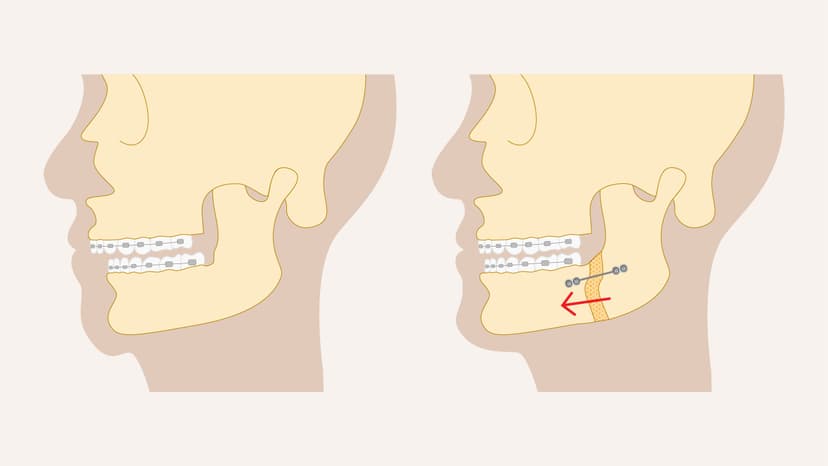
Orthognathic surgery is a branch of oral and maxillofacial surgery that corrects conditions affecting the skeletal structure of the jaws and face. The term comes from the Greek words "orthos" (straight) and "gnathos" (jaw). Unlike orthodontic treatment, which moves teeth within existing bone, orthognathic surgery in Turkey repositions the jawbones themselves to establish proper alignment between the upper jaw (maxilla) and lower jaw (mandible).
The procedure addresses a wide range of functional and aesthetic concerns. Patients with severe overbites, underbites, open bites, crossbites, or facial asymmetry often cannot achieve a stable, functional result through braces alone. When the discrepancy between the upper and lower jaw exceeds what tooth movement can compensate for, surgical intervention becomes necessary. Orthognathic surgery corrects the underlying skeletal framework, which in turn allows the teeth, muscles, and temporomandibular joints (TMJ) to function in harmony.
Beyond bite correction, the surgery can significantly improve airway patency in patients with obstructive sleep apnoea (OSA) caused by retrognathic (recessed) jaw positioning. Research published in the Journal of Oral and Maxillofacial Surgery demonstrates that maxillomandibular advancement surgery can reduce apnoea-hypopnoea index (AHI) scores by over 80% in carefully selected patients, making it one of the most effective surgical treatments for moderate to severe OSA.
Who Needs Jaw Surgery?
Not every jaw misalignment requires surgery. Mild malocclusions can often be treated with orthodontics alone. However, when the discrepancy between the jaws is primarily skeletal rather than dental, orthognathic surgery becomes the only predictable path to a stable, long-term result.
Common indications include:
- Severe underbite (mandibular prognathism) where the lower jaw extends significantly beyond the upper jaw
- Severe overbite (mandibular retrognathia) where the lower jaw is recessed, creating a weak chin profile
- Open bite where the front teeth do not meet when the mouth is closed, making it difficult to bite into food
- Facial asymmetry caused by uneven jaw growth, resulting in a visibly crooked face
- Chronic TMJ (temporomandibular joint) pain and dysfunction linked to skeletal imbalance
- Obstructive sleep apnoea related to recessed jaw positioning
- Difficulty chewing, swallowing, or speaking due to jaw misalignment
- Inability to close the lips comfortably without strain (lip incompetence)
Candidates should have reached skeletal maturity, typically around age 16 to 18 for females and 18 to 21 for males. A thorough clinical examination including lateral cephalometric X-rays, 3D CBCT scans, dental impressions, and facial photographs allows the surgical team to determine whether surgery is indicated and which approach will produce the best outcome.
Types of Jaw Surgery Performed in Turkey
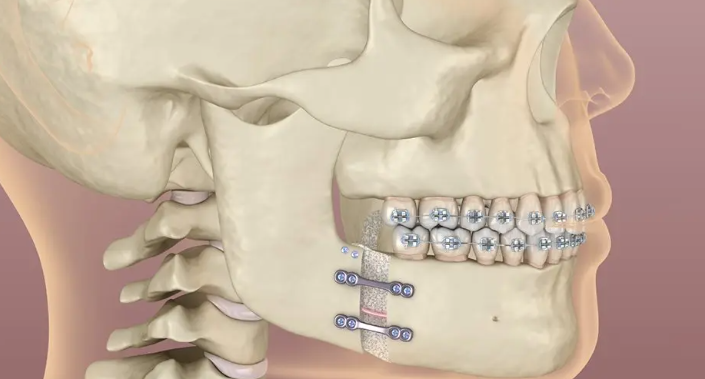
The specific surgical approach depends entirely on the patient's diagnosis. Turkish maxillofacial surgeons routinely perform all five major categories of orthognathic procedures, often combining them in a single surgical session for comprehensive correction.
Maxillary Osteotomy (Le Fort I Osteotomy)
This procedure repositions the upper jaw. The surgeon makes a horizontal bone cut above the roots of the upper teeth, allowing the entire maxilla to be moved forward, backward, upward, or downward. It corrects conditions such as open bite, crossbite, a sunken midface, and excessive gingival display (gummy smile). The Le Fort I osteotomy is one of the most commonly performed orthognathic procedures worldwide.
Mandibular Osteotomy (Bilateral Sagittal Split Osteotomy / BSSO)
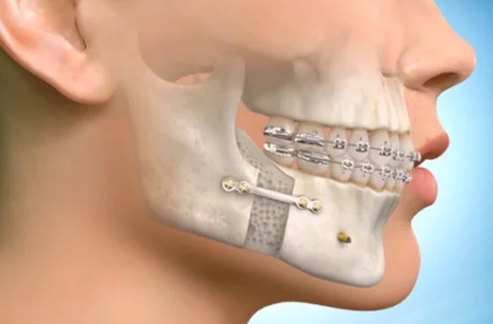
The BSSO is the standard procedure for repositioning the lower jaw. Bone cuts are made on both sides of the mandible behind the molars, allowing the tooth-bearing segment to be moved forward or backward independently of the posterior portion. This technique corrects underbites, overbites, and asymmetries of the lower face. It preserves blood supply to the bone and allows for predictable healing.
Bimaxillary Osteotomy (Double Jaw Surgery)
Double jaw surgery in Turkey involves simultaneous correction of both the upper and lower jaws. This approach is indicated when both jaws contribute to the malocclusion or when maximum aesthetic improvement is desired. The double jaw surgery cost Turkey typically ranges from EUR 7,000 to EUR 12,000 in an all-inclusive package, which remains significantly below comparable pricing in the UK or US. Bimaxillary osteotomy delivers the most dramatic functional and aesthetic results and is particularly effective for patients with severe Class II or Class III skeletal relationships.
Genioplasty (Chin Surgery)
Genioplasty is frequently performed alongside jaw surgery to refine the chin position and achieve optimal facial balance. The chin bone is cut, repositioned (forward, backward, upward, downward, or sideways), and fixed with titanium plates. This procedure addresses a receding chin, a protruding chin, or chin asymmetry that persists after the main jaw correction.
TMJ Surgery
For patients with temporomandibular joint disorders that do not respond to conservative treatment, surgical intervention on the joint itself may be necessary. Options range from minimally invasive arthroscopy to open joint surgery with disc repositioning or total joint replacement. TMJ surgery in Turkey is performed by the same maxillofacial teams that handle orthognathic cases, ensuring integrated treatment planning.
The Jaw Surgery Procedure: Step by Step
Pre-Surgical Orthodontics
Most patients wear braces for 6 to 18 months before surgery to position the teeth so they will fit together correctly once the jaws are moved. In some clinics, a "surgery first" approach is used where the operation is performed before orthodontic treatment, significantly reducing the total treatment timeline. Your surgical and orthodontic team will determine the best sequencing for your case.
Virtual Surgical Planning (VSP)
Modern orthognathic surgery Turkey protocols rely heavily on 3D virtual surgical planning. A CBCT scan of your skull is converted into a detailed 3D model, and the surgeon uses specialized software to simulate the bone movements before the operation. Custom cutting guides and surgical splints are fabricated from these plans, ensuring millimetre-level precision during the actual surgery. This technology has been shown to reduce surgical time and improve the accuracy of jaw repositioning compared to traditional manual planning.
The Operation
Surgery is performed under general anaesthesia and takes between 2 and 4 hours depending on complexity. All incisions are made inside the mouth, leaving no visible external scars. The surgeon cuts the bone according to the pre-planned template, repositions the jaw segments, and secures them with titanium plates and screws. These remain permanently in the bone and do not need to be removed unless they cause irritation, which is rare.
Hospital Stay and Immediate Recovery
Patients typically stay in the hospital for 1 to 2 nights after surgery. The jaws are not wired shut in modern practice. Instead, light elastic bands guide the bite into position while allowing the patient to open and close the mouth. Swelling peaks around days 3 to 5 and gradually resolves over the following weeks. A liquid and soft food diet is required for the first 4 to 6 weeks.
Post-Surgical Orthodontics
After initial healing, orthodontic treatment continues for approximately 6 to 12 months to fine-tune the tooth positions and achieve ideal occlusion. Retainers are worn after braces are removed to maintain the result long-term.
Benefits of Jaw Surgery
The benefits of jaw surgery extend well beyond appearance. Patients consistently report improvements across multiple dimensions of daily life:
- Improved chewing efficiency: Proper jaw alignment allows teeth to meet evenly, restoring full chewing function and reducing strain on individual teeth
- Clearer speech: Correcting skeletal discrepancies resolves articulation issues caused by jaw malpositioning
- Better breathing: Advancing a recessed jaw opens the airway, which can dramatically improve sleep quality and reduce or eliminate obstructive sleep apnoea
- Balanced facial aesthetics: Symmetrical, proportionate jaws create a harmonious facial profile that many patients describe as life-changing
- Reduced TMJ pain: Correcting the skeletal cause of joint dysfunction often eliminates chronic jaw pain, headaches, and clicking
- Long-term dental health: Proper occlusion distributes bite forces evenly, reducing the risk of abnormal tooth wear, fractures, and periodontal problems
- Enhanced confidence: Research consistently shows significant improvements in self-esteem and social functioning following orthognathic surgery
What Are the Risks of Jaw Surgery?
Like any surgical procedure, orthognathic surgery carries risks that patients should understand before making a decision. When performed by experienced surgeons in accredited facilities, the complication rate is low, but informed consent requires awareness of the following possibilities:
- Temporary numbness: The inferior alveolar nerve runs through the mandible and can be stretched during surgery. Most patients experience some numbness in the lower lip and chin, which typically resolves within 3 to 6 months. Permanent nerve damage occurs in approximately 1 to 3% of cases
- Infection: Post-operative infection is uncommon with proper antibiotic prophylaxis and oral hygiene, occurring in roughly 1 to 2% of cases
- Bleeding: Significant blood loss is rare but possible, particularly in bimaxillary procedures. Surgeons monitor this closely during and after surgery
- Relapse: Minor skeletal relapse can occur during healing. Proper fixation technique and post-surgical orthodontics minimise this risk
- TMJ changes: In some cases, the position of the condyles within the joint may shift during surgery, potentially causing new TMJ symptoms. Careful surgical planning reduces this risk
Choosing a JCI-accredited clinic with a high-volume surgical team significantly reduces the likelihood of complications. If you are considering travelling abroad for surgery, it is also worth exploring whether Turkey is safe for medical treatment in general. The short answer is yes, provided you select the right facility and medical team.
How Much Does Jaw Surgery Cost in Turkey?
One of the primary reasons patients choose Turkey for jaw surgery is the significant cost advantage. The table below provides a realistic comparison of prices across major destinations:
|
Country |
Single Jaw Surgery |
Double Jaw Surgery |
Package Includes |
|
Turkey |
EUR 3,000 - 5,000 |
EUR 5,000 - 12,000 |
All-inclusive |
|
United Kingdom |
GBP 10,000 - 20,000 |
GBP 15,000 - 30,000 |
Surgery only |
|
United States |
USD 20,000 - 40,000 |
USD 30,000 - 50,000 |
Surgery only |
|
Germany |
EUR 10,000 - 18,000 |
EUR 15,000 - 25,000 |
Limited extras |
Note: Turkey prices reflect all-inclusive packages that cover the surgical fee, anaesthesia, hospital stay, hotel accommodation, airport transfers, medications, and follow-up care. Western country prices typically cover the surgical procedure only, with additional charges for hospital room, anaesthesia, imaging, and follow-up visits. The real-world savings for a patient choosing Turkey often exceed 65 to 70% when all costs are factored in.
Jaw Surgery Cost in the UK
In the United Kingdom, orthognathic surgery is available through the NHS for patients who meet strict clinical criteria, but waiting times often exceed 12 to 18 months. Private treatment ranges from GBP 10,000 to GBP 30,000 depending on whether one or both jaws are treated. This pricing typically covers the surgeon's fee and hospital costs but not pre-operative orthodontics or post-surgical follow-up.
Jaw Surgery Cost in the US
American patients face some of the highest jaw surgery costs globally. Without insurance coverage, a single-jaw procedure can cost USD 20,000 to USD 40,000, while double jaw surgery frequently exceeds USD 50,000 when hospital, anaesthesia, and surgeon fees are combined. Even with insurance, out-of-pocket costs can reach USD 5,000 to USD 10,000 due to high deductibles and copays.
Why Is Jaw Surgery More Affordable in Turkey?
The lower pricing in Turkey reflects economic fundamentals rather than any compromise in quality. The favourable Turkish Lira exchange rate, lower facility operating costs, lower staff salaries relative to Western countries, and high surgical volumes all contribute to the pricing structure. Turkish hospitals use the same titanium fixation systems (Synthes, Stryker, KLS Martin) and anaesthesia protocols found in any top European centre. The difference is in what you pay, not in what you receive.
A-Medical All-Inclusive Jaw Surgery Package
At A-Medical, we believe that navigating a medical procedure abroad should be straightforward, transparent, and stress-free. Our all-inclusive jaw surgery in Turkey package is designed to cover every aspect of your treatment journey so you can focus entirely on your recovery.
The A-Medical all-inclusive package (EUR 5,000 to 7,000) covers:
- Full hospitalization fee including operating room, ICU if needed, and standard room stay
- Complete surgery, anaesthesia, and all medical services with no hidden costs
- 4 or 5-star hotel accommodation for your entire stay in Turkey
- All inner-city transfers with a private driver, including airport pickup and drop-off
- Aftercare from a private nurse at both the hospital and your hotel
- All required medications during your stay
- 12-month follow-up period with remote consultations
What sets A-Medical apart is the patient experience. We match you with the best surgeon and clinic for your specific case, not a one-size-fits-all approach. There are no waiting lists. From the moment you contact us, a dedicated patient coordinator manages every detail: visa guidance if needed, translator support throughout your stay, and direct communication with your surgical team. Our goal is to make orthognathic surgery Turkey as seamless as getting treated in your home country, but at a fraction of the cost.
Ready to take the next step? Contact A-Medical via WhatsApp to receive a free, personalized treatment plan. Share your panoramic X-ray or CBCT scan, and our partnered surgeons will provide an initial assessment within 48 hours. No obligation, no hidden fees.
Best Clinics for Jaw Surgery in Turkey
Turkey is home to several world-class hospitals and clinics with dedicated oral and maxillofacial surgery departments. The following facilities are among the best equipped and most experienced for orthognathic procedures in the country. A-Medical partners with these institutions to ensure patients receive the highest standard of care.
Memorial Bahcelievler Hospital, Istanbul
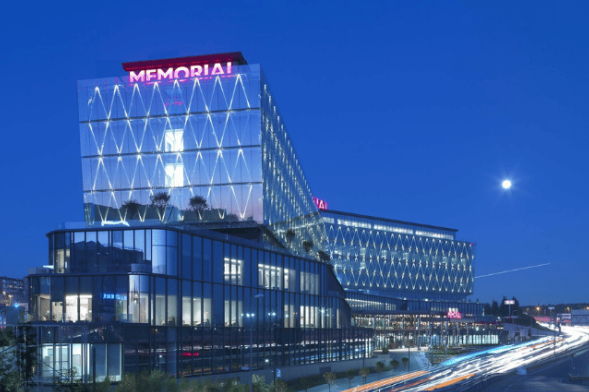
Memorial Bahcelievler holds JCI, ISO, and LEED certifications, making it one of the most rigorously accredited hospitals in Turkey. The maxillofacial surgery department is led by surgeons who have collectively performed over 900 orthognathic surgeries. The hospital uses 3D virtual surgical planning and custom cutting guides as standard for all jaw surgery cases. Memorial Healthcare Group treats over 1.6 million patients annually across its network, and international patients benefit from a fully staffed international department with coordinators fluent in English, Arabic, Russian, and German.
Acibadem Healthcare Group, Istanbul
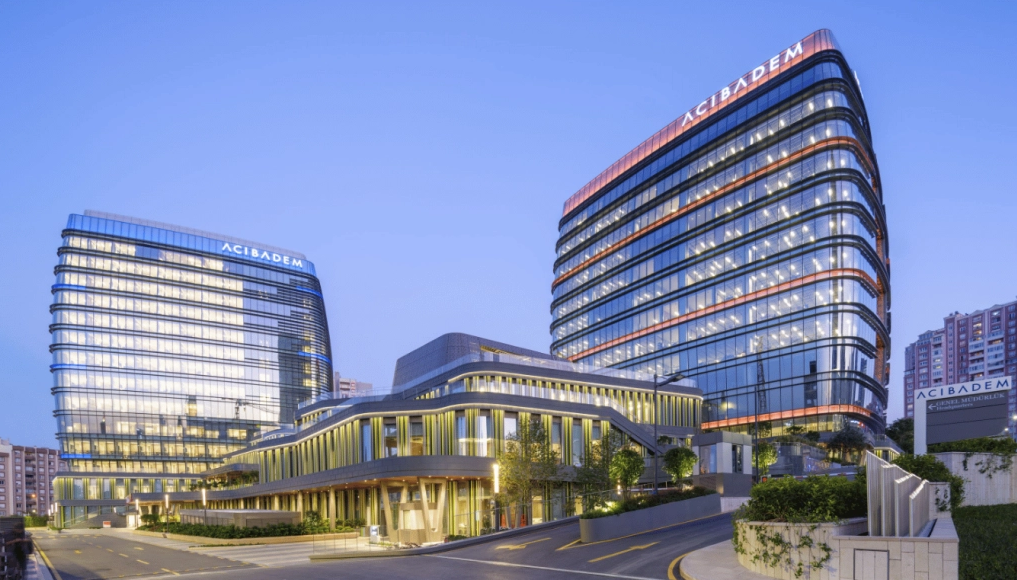
Acibadem is Turkey's largest private healthcare network and among the most recognized hospital brands in the region. The Acibadem Altunizade campus is particularly well known for complex maxillofacial surgery, with a team of experienced professors who perform orthognathic procedures in fully equipped operating suites with advanced intraoperative imaging. Acibadem hospitals are JCI-accredited and maintain strict surgical outcome tracking protocols, providing patients with a high degree of clinical transparency.
Medipol Mega University Hospital, Istanbul
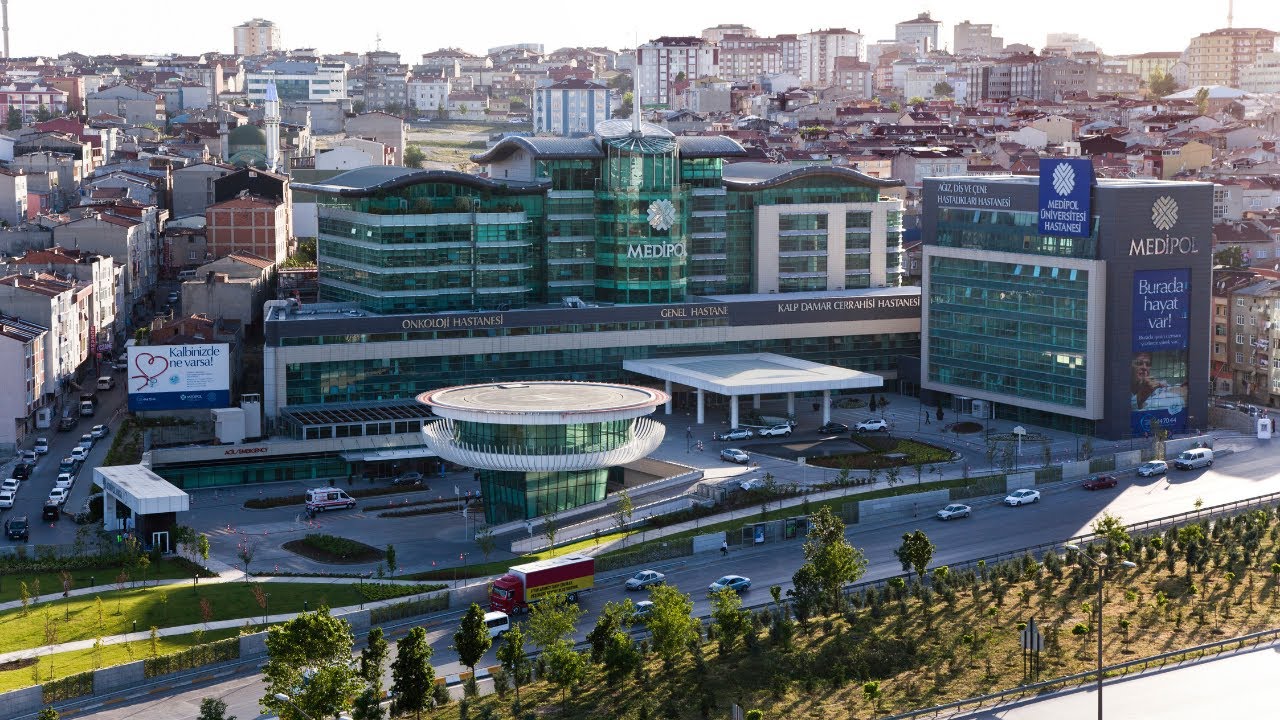
Medipol Mega is one of the largest university hospitals in Europe, with over 470 beds and 85 intensive care units. The oral and maxillofacial surgery department benefits from the academic environment, combining cutting-edge research with clinical practice. Surgeons at Medipol regularly publish in international journals and use the latest 3D imaging and surgical simulation technologies. The hospital's scale allows for rapid scheduling and efficient patient flow, which is particularly valuable for international visitors with limited time in Turkey.
Florence Nightingale Hospital Group, Istanbul
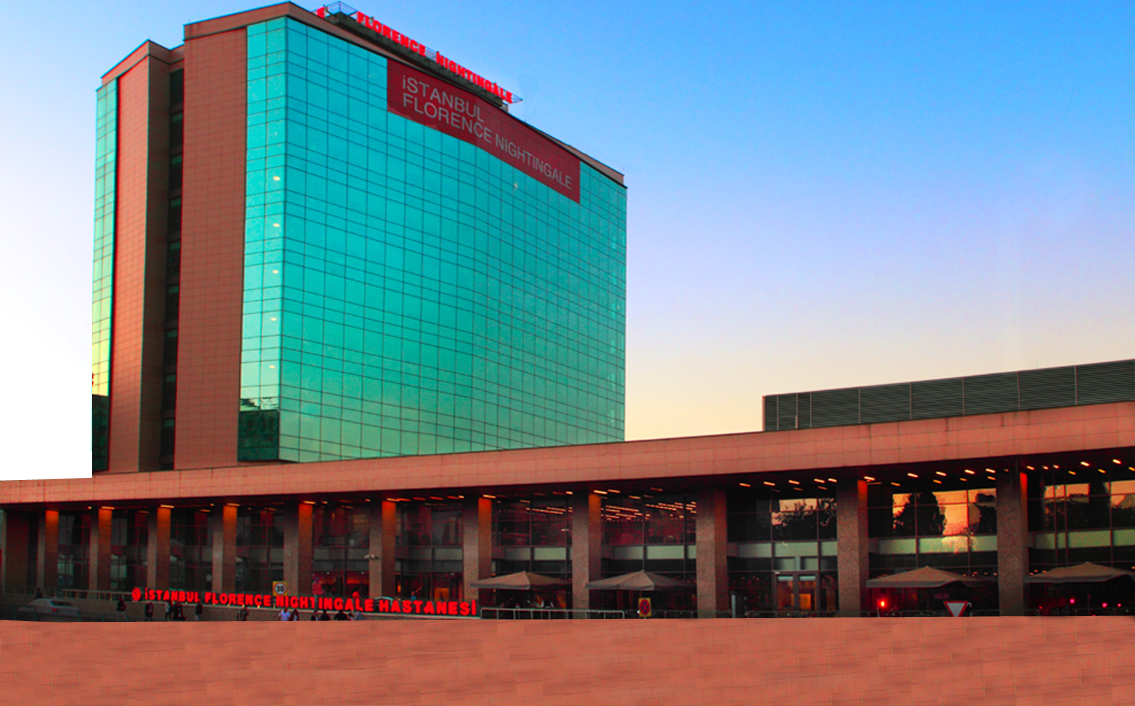
A longstanding institution in Turkish healthcare, Florence Nightingale hospitals have served patients since 1989 and are JCI-accredited. The group has built a strong reputation for complex surgical procedures, including orthognathic cases. The hospitals maintain a dedicated medical tourism department, and their experienced maxillofacial surgery teams work closely with orthodontic specialists to deliver integrated treatment plans. Patients frequently cite the professionalism and attentiveness of the international patient coordinators.
Koc University Hospital, Istanbul
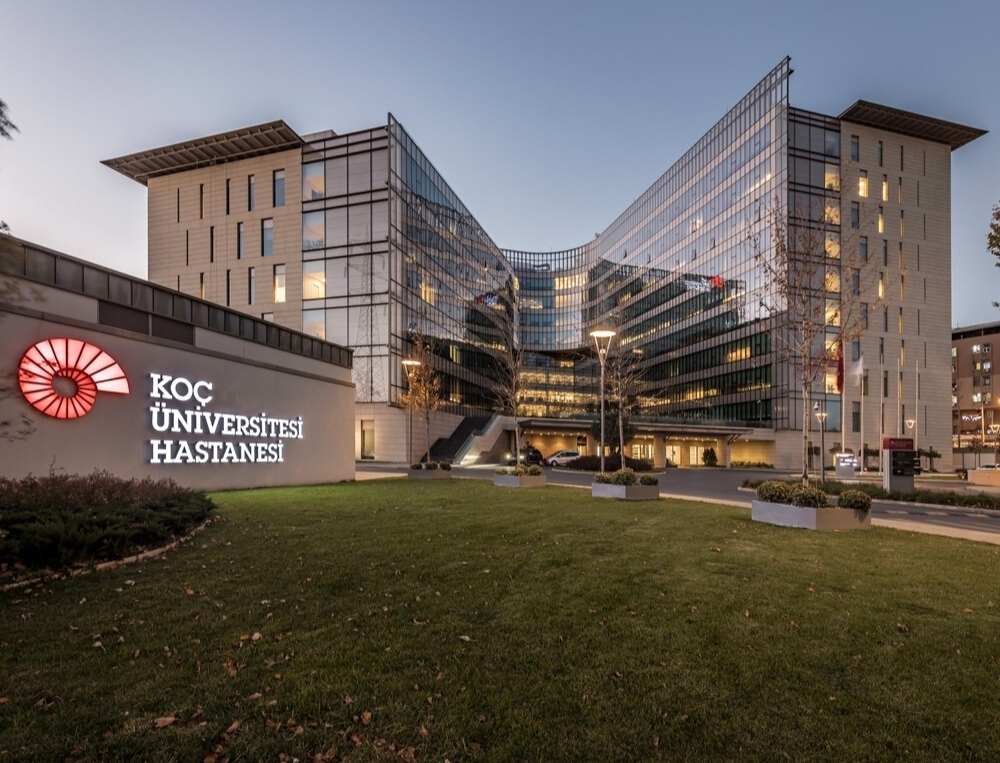
Koc University Hospital is affiliated with one of Turkey's most prestigious universities and brings an academic medicine approach to patient care. The hospital is JCI-accredited and equipped with state-of-the-art imaging and surgical technology. The maxillofacial surgery department collaborates closely with the hospital's departments of neurology, ENT, and sleep medicine, making it an excellent choice for patients whose jaw surgery is related to conditions like sleep apnoea or complex craniofacial deformities.
Lokman Hekim Istanbul Hospital
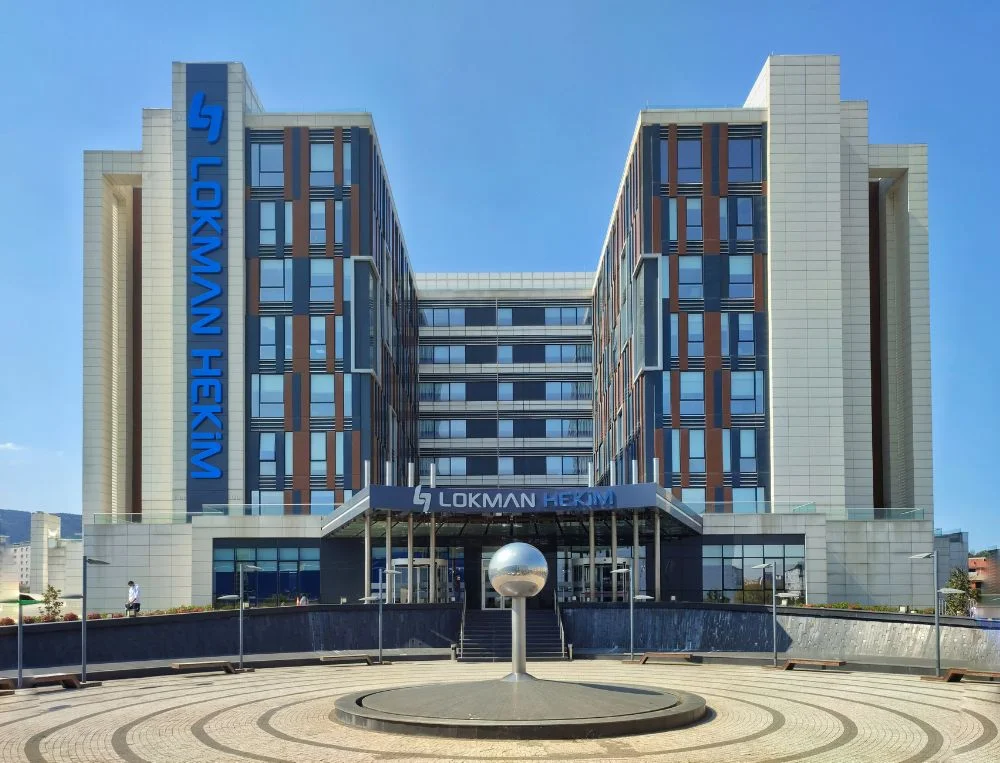
Lokman Hekim (formerly Adatip International) holds DIN EN ISO 9001 certification and maintains a 93% patient recommendation rate. The hospital offers combined orthognathic surgery and orthodontic treatment packages managed by an integrated team. Their international patient support includes interpreter services, private nursing, and structured follow-up protocols that extend well beyond the initial hospital stay.
Recovery After Jaw Surgery in Turkey
Understanding the recovery timeline helps you plan your stay in Turkey and set realistic expectations for returning to normal activities:
- Days 1 to 3: Hospital stay. Swelling is significant but managed with cold compresses and prescribed medications. Diet is strictly liquid
- Days 4 to 7: Transition to hotel recovery. Swelling peaks and begins to subside. Soft, blended foods introduced. Follow-up appointment with surgeon
- Weeks 2 to 3: Most patients feel well enough to travel home. Swelling continues to decrease. Soft food diet continues
- Weeks 4 to 6: Gradual return to normal diet as bone healing progresses. Most patients return to work or school
- Months 3 to 6: Residual swelling fully resolves. Final facial contour becomes visible. Sensation returns progressively
- Months 6 to 12: Post-surgical orthodontics fine-tune occlusion. Complete bone remodelling occurs
A-Medical patients benefit from a 12-month follow-up protocol. Your surgeon remains accessible via video consultations for any questions or concerns that arise after you return home.
For patients considering additional procedures during their visit to Turkey, our comprehensive guide on the best countries for plastic surgery provides useful context on how Turkey compares globally across a wide range of surgical specialties.
Frequently Asked Questions About Jaw Surgery in Turkey
Is Jaw Surgery in Turkey Safe?
Yes, when performed at JCI-accredited hospitals by board-certified oral and maxillofacial surgeons, jaw surgery in Turkey meets the same safety standards as Western Europe or North America. Turkey's top hospitals follow international infection control, anaesthesia, and patient monitoring protocols. Complication rates at high-volume Turkish centres align with published global benchmarks.
How Long Do I Need to Stay in Turkey for Jaw Surgery?
Plan for a total stay of 7 to 10 days. This allows for pre-operative consultations and imaging on days 1 to 2, surgery on day 3, a 1 to 2 night hospital stay, and several days of monitored hotel recovery before your return flight. A-Medical arranges the entire schedule so your time is used efficiently.
Will My Jaws Be Wired Shut After Surgery?
No. Modern orthognathic surgery uses rigid internal fixation with titanium plates and screws. Light elastic bands may be placed to guide your bite, but you will be able to open and close your mouth, speak, and drink liquids from the first day after surgery.
How Painful Is Jaw Surgery?
Most patients describe the discomfort as moderate, comparable to having wisdom teeth removed. Pain is well controlled with prescribed medications during the first few days. The most bothersome aspect for most patients is the swelling and temporary dietary restrictions rather than pain itself.
What Is the Difference Between Single Jaw Surgery and Double Jaw Surgery?
Single jaw surgery corrects either the upper jaw (maxillary osteotomy) or the lower jaw (mandibular osteotomy). Double jaw surgery Turkey corrects both simultaneously, which is necessary when both jaws contribute to the misalignment. Double jaw surgery cost Turkey is higher due to the added complexity, but it delivers more comprehensive results for patients with severe skeletal discrepancies.
Can I Combine Jaw Surgery With Other Procedures?
Yes, genioplasty (chin surgery) is commonly performed alongside orthognathic surgery in the same session. Some patients also combine rhinoplasty with jaw surgery if there are nasal airway or aesthetic concerns. Your surgeon will advise on what can safely be combined.
How Long Does It Take to See the Final Results?
The structural change is immediate, but swelling obscures the final result for several months. Most patients see their new facial contour emerging clearly by month 3, with complete resolution of swelling by month 6. The final bite stabilization occurs after post-surgical orthodontic treatment is completed, typically 6 to 12 months after surgery.
Do I Need Braces Before Jaw Surgery?
In the traditional approach, yes. Pre-surgical orthodontics (braces) align the teeth so they fit correctly in the new jaw position. This phase lasts 6 to 18 months. However, some Turkish clinics offer a "surgery first" protocol that eliminates or significantly shortens pre-surgical orthodontics, allowing patients to proceed to surgery sooner.
What Should I Eat After Jaw Surgery?
You will follow a liquid diet for the first 1 to 2 weeks (broths, smoothies, protein shakes), transitioning to soft foods (mashed potatoes, yoghurt, scrambled eggs) for weeks 3 to 6. Hard, crunchy, or chewy foods should be avoided for at least 8 weeks. Nutritional support during recovery is important for bone healing.
Will the Titanium Plates and Screws Set off Metal Detectors?
No. The titanium hardware used in jaw surgery is non-magnetic and will not trigger airport security metal detectors or prevent you from having MRI scans in the future.
Can Jaw Surgery Fix Sleep Apnoea?
Yes. Maxillomandibular advancement (MMA) surgery is one of the most effective surgical treatments for obstructive sleep apnoea. By moving both jaws forward, the airway behind the tongue and soft palate is enlarged, which can reduce or eliminate apnoea episodes. Your surgeon will assess whether your jaw anatomy is contributing to your sleep issues.
Is Jaw Surgery Covered by Insurance?
In the UK, jaw surgery may be available on the NHS if deemed medically necessary. In the US, some insurance plans cover orthognathic surgery when there is documented functional impairment, though coverage varies widely. Many patients who cannot access insurance coverage or face long NHS waiting times choose to have their surgery in Turkey, where the out-of-pocket cost is often less than their insurance deductible in the US.
How Do I Choose Between Clinics in Turkey?
Look for JCI accreditation, the surgeon's specific experience with orthognathic cases (not just general dental surgery), the availability of 3D surgical planning technology, and transparent all-inclusive pricing. A-Medical simplifies this process by matching you with the best surgeon for your specific condition from our network of top-tier hospitals.
What Happens if I Need a Revision Surgery?
Revision orthognathic surgery is rare when the original procedure is well planned and executed. If a revision is needed, it is typically performed 6 to 12 months after the initial surgery. A-Medical's 12-month follow-up protocol includes ongoing assessment to catch any issues early.
Can I Fly Home Immediately After Jaw Surgery?
It is not recommended to fly within the first 5 to 7 days after surgery due to swelling and the need for close medical monitoring. Most patients fly home comfortably after 7 to 10 days. A-Medical coordinates your travel schedule around your surgeon's discharge clearance.
Start Your Jaw Surgery Journey With A-Medical
If you are considering jaw surgery Turkey, A-Medical is here to guide you through every step. From your first consultation to your 12-month post-operative follow-up, our team ensures that you receive the best possible care at a price that makes sense. No waiting lists, no hidden costs, no compromises on quality.
Contact A-Medical today to receive a free consultation and personalized treatment plan. Send us your panoramic X-ray or CBCT scan via WhatsApp and get feedback from a specialist maxillofacial surgeon within 48 hours.