Contents
Esophageal cancer surgery in Turkey gives international patients a faster, more affordable route to high-volume surgical care without the queues that delay treatment elsewhere. A standard open or laparoscopic esophagectomy in Turkey costs between $8,000 and $15,000, while a robotic Da Vinci esophagectomy ranges from $18,000 to $30,000 all-inclusive. The same procedures cost $90,000 to $175,000 in the United States and £45,000 to £90,000 privately in the United Kingdom, where NHS patients also face 8 to 18 week waits between diagnosis and surgery. A-Medical books most international cases for surgery within 7 to 14 days of medical record review, with no waiting list and a single coordinator handling clinic selection, transfers, and post-discharge follow-up.
If you already have a recent endoscopy report or PET-CT scan, contact A-Medical for a clinical review and a written cost estimate from a JCI-accredited oncology center in Istanbul or Ankara.
Why Patients Choose Turkey for Esophageal Cancer Surgery
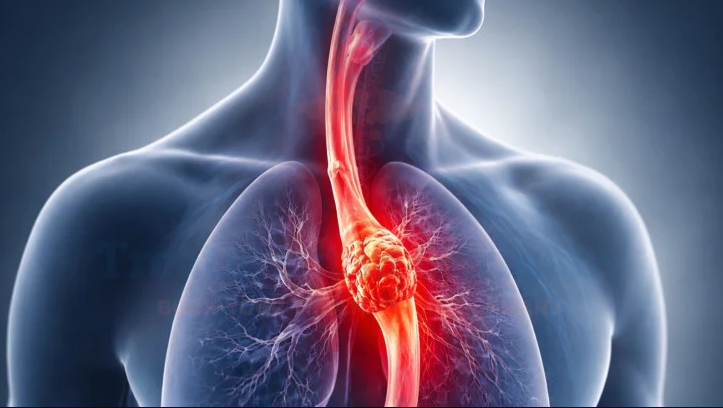
Turkey runs one of the highest-volume thoracic surgery ecosystems in the region. Istanbul alone hosts more than fifteen hospitals performing esophagectomy regularly, and the leading centers operate to NCCN and ESMO oncology protocols. Surgeons at Anadolu, Memorial, Acıbadem, and Liv complete hundreds of esophagectomy procedures every year, which directly affects outcomes since hospital case volume is the single strongest predictor of 30-day mortality in esophageal surgery according to published thoracic outcomes data.
Cost is the other factor. The price gap with the UK, USA, and Germany is not marginal:
|
Procedure |
Turkey (USD) |
UK Private (USD) |
USA (USD) |
|---|---|---|---|
|
Open Esophagectomy |
$8,000 - $12,000 |
$55,000 - $75,000 |
$90,000 - $130,000 |
|
Minimally Invasive (MIE) |
$11,000 - $16,000 |
$65,000 - $90,000 |
$110,000 - $150,000 |
|
Robotic Da Vinci Esophagectomy |
$18,000 - $30,000 |
$80,000 - $115,000 |
$130,000 - $175,000 |
|
Neoadjuvant Chemoradiation |
$5,500 - $9,000 |
$28,000 - $40,000 |
$45,000 - $70,000 |
Prices vary by tumor stage, hospital tier, length of ICU stay, and whether the surgeon adds a feeding jejunostomy or pyloroplasty during the same operation. A-Medical issues itemized quotes after the medical board reviews imaging and pathology, so the figure you sign off on matches the figure the hospital invoices.
The clinical advantage runs in parallel. UK NHS data shows median 62-day waits from urgent referral to first definitive treatment for upper-GI cancers, and that window often stretches further when staging requires additional PET-CT or EUS. Turkey eliminates that interval. International patients typically complete restaging, multidisciplinary review, and surgical scheduling within two weeks of arrival.
Best Hospitals for Esophageal Cancer Surgery in Turkey
The clinics listed below operate specialized thoracic and upper-GI surgical oncology units, hold international accreditation, and perform esophagectomy at consistent annual volumes. Every selection runs through A-Medical's medical board, so the final clinic match depends on tumor location (cervical, mid-thoracic, or lower-third), staging, and the surgeon's track record with that specific tumor profile.
Anadolu Medical Center (Istanbul, Kocaeli)
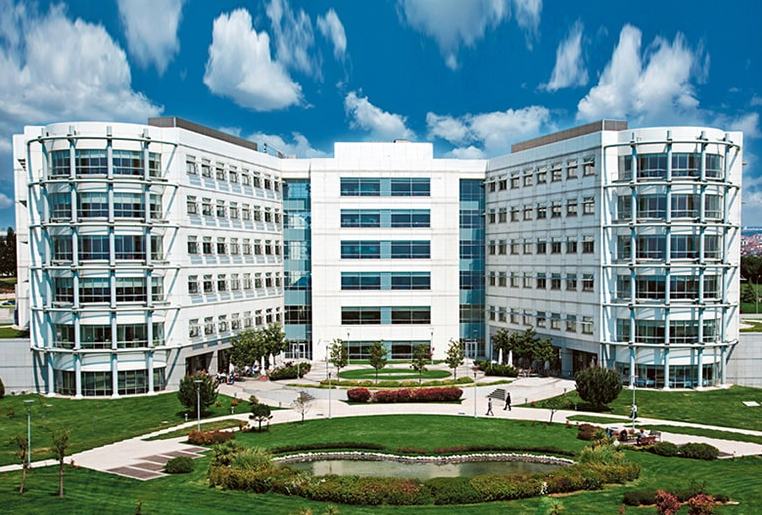
Anadolu operates in affiliation with Johns Hopkins Medicine and holds JCI accreditation, with a thoracic surgical oncology program that handles more than 200 upper-GI cancer cases annually. The clinic runs a fully integrated multidisciplinary tumor board where the thoracic surgeon, medical oncologist, radiation oncologist, and gastroenterologist review every case before finalizing the surgical plan. Anadolu uses PET-CT, EUS, and laparoscopic staging when indicated, and the inpatient oncology unit includes a 24-bed ICU built specifically for post-esophagectomy recovery.
Typical esophagectomy package: $22,000 to $52,000 depending on robotic versus open approach, ICU duration, and inclusion of neoadjuvant chemotherapy cycles.
Memorial Şişli Hospital (Istanbul)
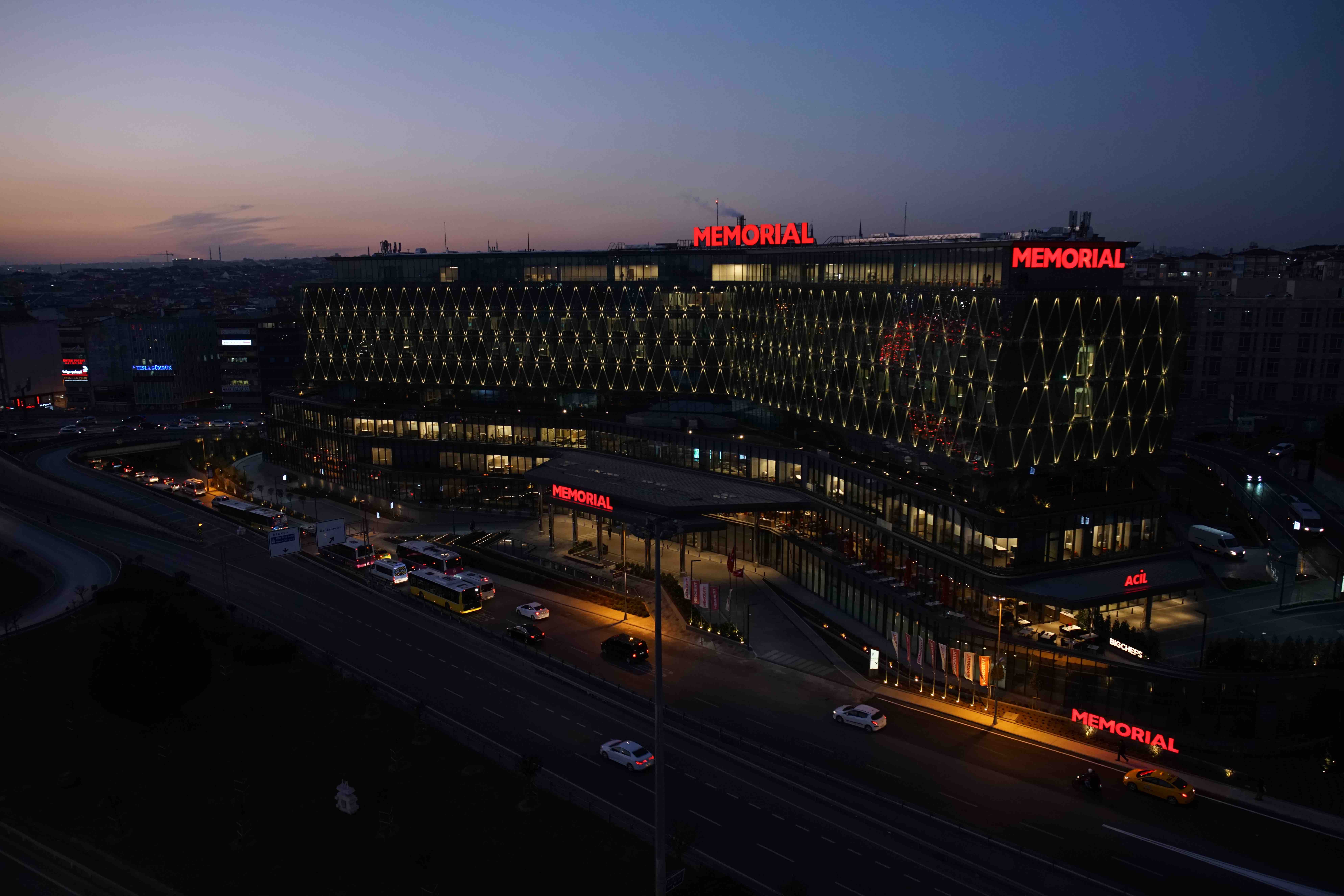
Memorial Şişli houses one of Turkey's most active robotic surgery programs and was among the first hospitals in the region to perform robotic Ivor-Lewis esophagectomy. The hospital is JCI-accredited, follows NCCN and ESMO protocols, and its surgical oncology team includes Prof. Dr. Serkan Keskin who has performed more than 900 esophagectomies. Memorial Şişli is well suited for distal esophageal adenocarcinoma and gastroesophageal junction tumors where minimally invasive technique matters most.
Typical esophagectomy package: $7,500 to $15,750 for standard procedures, with robotic packages starting around $24,000.
Acıbadem Maslak Hospital (Istanbul)
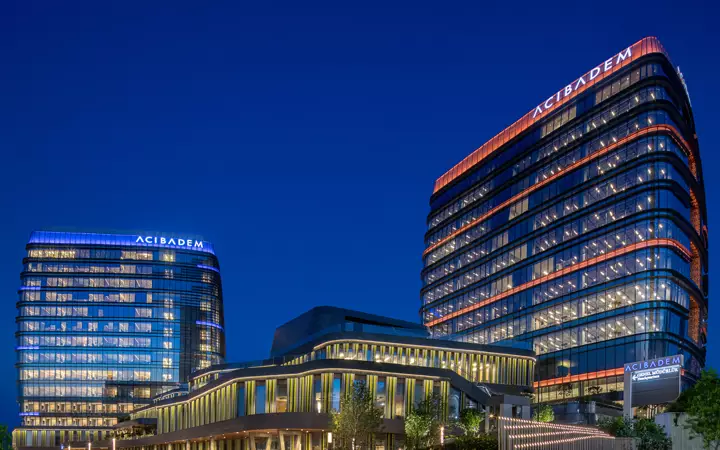
Acıbadem Maslak runs a full-spectrum oncology center with on-site radiation oncology, medical oncology, and surgical oncology under one roof. The thoracic team operates Da Vinci Xi platforms and supports both transthoracic and transhiatal approaches, with full pulmonary rehabilitation built into the post-op pathway. Acıbadem maintains its own international patient department, which simplifies medical visa documentation and arrival logistics for European, Middle Eastern, and African patients.
Typical esophagectomy package: $15,000 to $28,000 covering surgery, 8 to 10 day hospital stay, ICU, anesthesia, and standard pathology.
Liv Hospital Ulus (Istanbul)
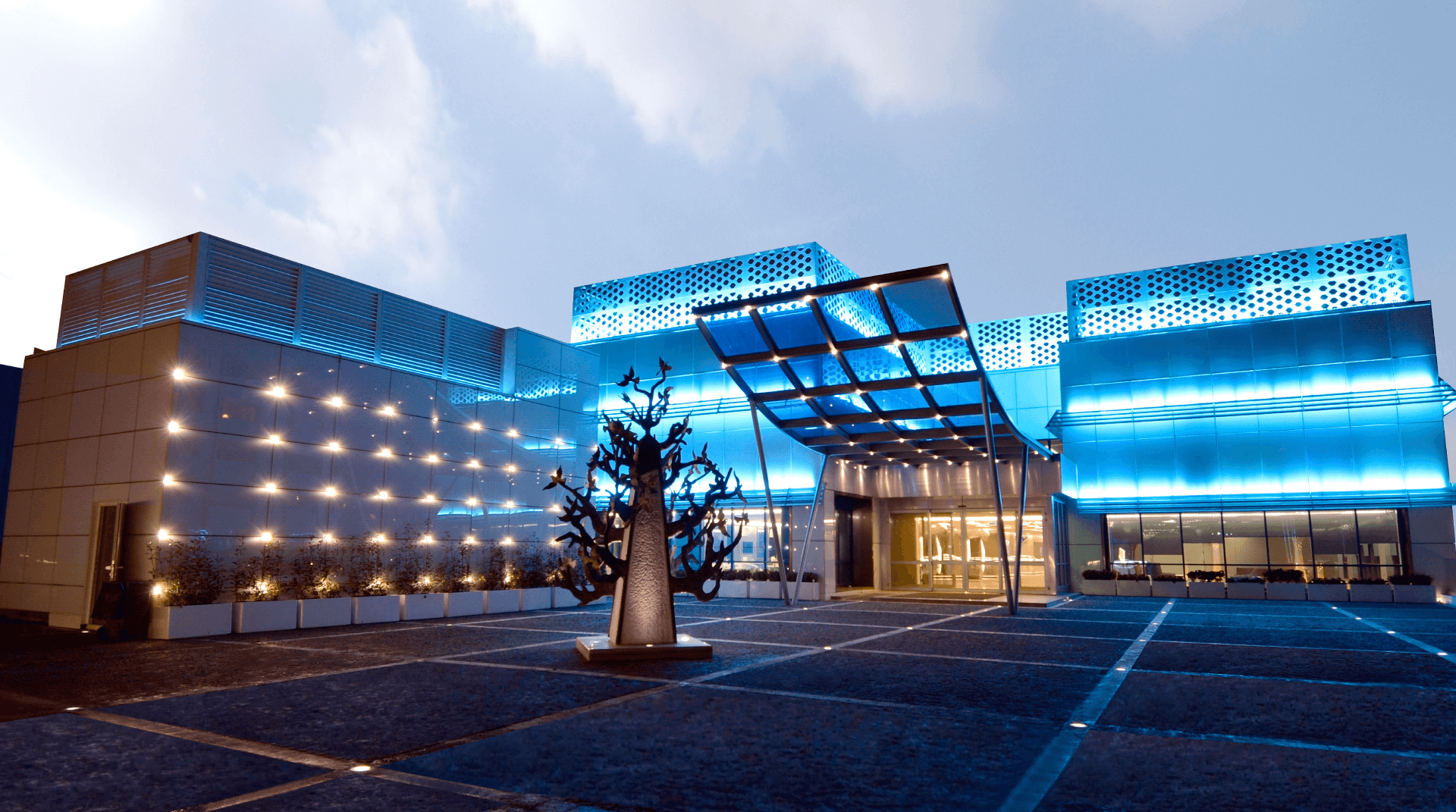
Liv Hospital Ulus is part of the MLP Care Group and runs a thoracic surgical oncology unit with FEBS-certified surgeons. The hospital is one of a handful of Turkish centers offering integrated PET-CT, hybrid operating rooms, and intraoperative neuromonitoring during esophagectomy. Recovery follows a structured ERAS (Enhanced Recovery After Surgery) protocol, which typically reduces hospital stay to 8 days for uncomplicated minimally invasive cases.
Typical esophagectomy package: $20,000 to $26,000 inclusive of 10 days hospitalization and 6 days hotel recovery.
Medipol Mega University Hospital (Istanbul)
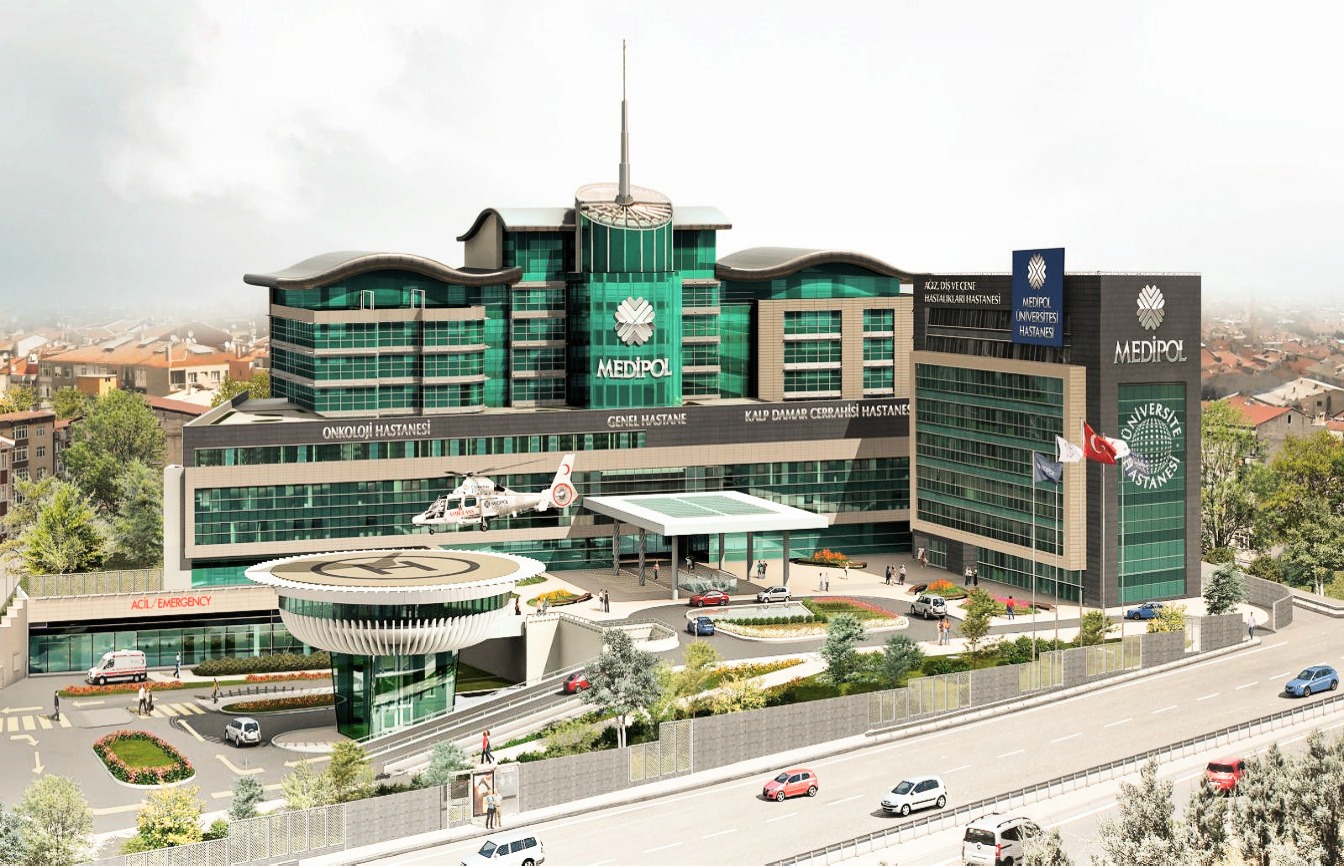
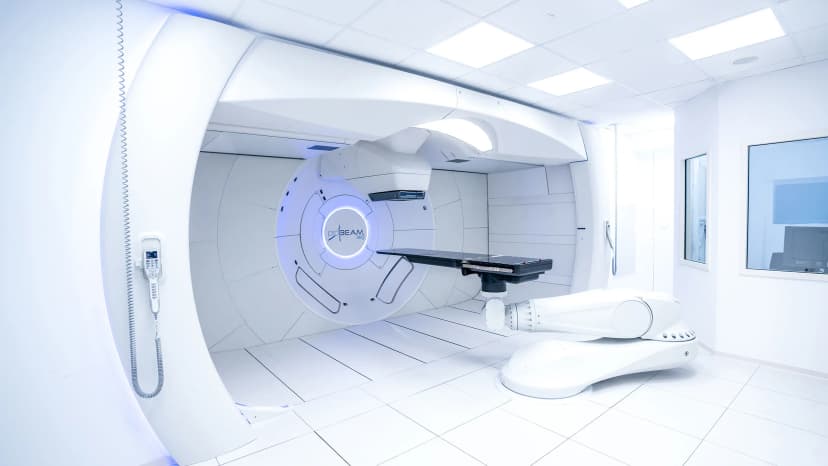
Medipol Mega is one of the largest hospital complexes in Turkey and the country's only facility offering proton therapy access on-site, which becomes relevant for select esophageal cancer patients requiring radiation. The thoracic surgery department performs more than 150 esophagectomies annually and supports complex reconstructions including colon interposition when gastric pull-up is not feasible. The hospital is JCI-accredited and operates a separate international patient floor.
Typical esophagectomy package: $12,000 to $22,000 with optional add-on chemotherapy and radiotherapy cycles billed separately.
Memorial Bahçelievler Hospital (Istanbul)
Memorial Bahçelievler is Turkey's first LEED Platinum certified hospital and runs an ISO-accredited surgical oncology program. The upper-GI team led by Dr. Mevlit Korkmazz has performed over 1,100 esophagectomy procedures and offers reconstructive options including colon transposition or gastric pull-up depending on tumor anatomy. The hospital includes private patient suites for companion stays during the 10-day post-op admission.
Typical esophagectomy package: Around $22,000 all-inclusive (surgery, 10 nights hospitalization, pre-op tests, medications, transfers).
Types of Esophageal Cancer Surgery Available in Turkey
Turkish thoracic surgeons select the operative approach based on tumor location, T-stage, nodal involvement, and the patient's pulmonary reserve. The four techniques below cover the vast majority of curative-intent cases.
- Ivor-Lewis Esophagectomy: Two incisions (abdomen and right chest). Standard approach for mid-to-lower esophageal tumors and adenocarcinoma at the gastroesophageal junction. Most common technique used in Turkey for resectable disease.
- McKeown (Three-Field) Esophagectomy: Abdomen, chest, and neck incisions. Selected for upper-third esophageal tumors requiring cervical anastomosis. Allows wider lymph node dissection.
- Transhiatal Esophagectomy: Abdomen and neck incisions, no thoracotomy. Lower pulmonary complication rate but less complete thoracic lymph node clearance. Useful for patients with compromised lung function.
- Minimally Invasive Esophagectomy (MIE) and Robotic Da Vinci: Laparoscopic abdominal and thoracoscopic chest dissection. Faster recovery, smaller incisions, reduced pulmonary complications. Robotic-assisted MIE is available at Liv, Memorial, Acıbadem, and Medipol.
In addition to esophagectomy, Turkish oncology centers offer endoscopic mucosal resection (EMR) and endoscopic submucosal dissection (ESD) for very early-stage (T1a) tumors limited to the mucosa. These procedures avoid major surgery entirely and run between $3,500 and $7,500 in Turkey.
Step-by-Step Process for International Patients
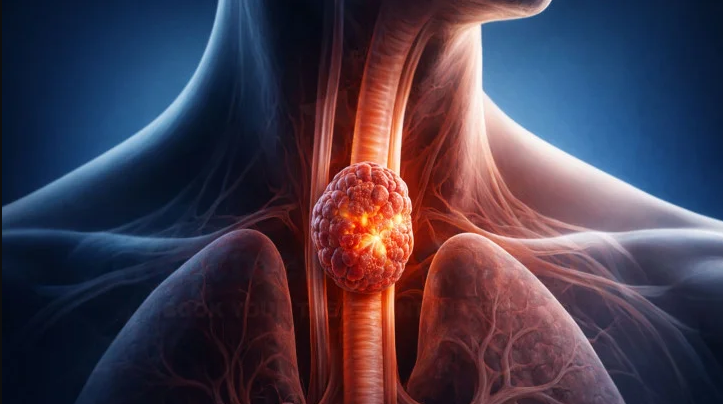
A-Medical structures the surgical pathway across roughly 14 to 21 days in country. The exact length depends on whether the surgical team requires neoadjuvant therapy before the operation.
- Step 1 (before arrival, 3 to 7 days): Medical record review. A-Medical's medical board reads your endoscopy, biopsy, and imaging reports, then issues a written treatment recommendation and itemized cost estimate.
- Step 2 (Day 1): Airport pickup at Istanbul Airport (IST) or Sabiha Gökçen (SAW), VIP transfer to hotel near the clinic, brief orientation with the patient coordinator.
- Step 3 (Days 2 to 3): Surgical consultation, repeat staging if needed (PET-CT, EUS, bronchoscopy for upper tumors), anesthesia assessment, nutrition consult and feeding tube planning if required.
- Step 4 (Day 4): Surgery day. Open esophagectomy lasts 4 to 5 hours, robotic Da Vinci runs 5 to 7 hours. Patient moves to thoracic ICU for 1 to 3 nights.
- Step 5 (Days 5 to 14): Inpatient recovery. Chest drain removal, contrast swallow study around day 5 to 7, gradual transition from feeding tube to oral intake, chest physiotherapy, anastomotic leak surveillance.
- Step 6 (Days 15 to 21): Discharge to hotel or apart suite under outpatient follow-up. Wound check, dietitian sessions, surgical pathology review, and a multidisciplinary meeting to plan adjuvant chemotherapy if indicated.
- Step 7 (after return home): Remote follow-up by the surgical team and A-Medical's coordinator at week 4, month 3, and month 6, with imaging review at predefined intervals.
Recovery Timeline and What to Expect After Surgery
Esophagectomy recovery follows a predictable arc but the early weeks demand close supervision. Anastomotic leak is the complication thoracic teams watch most carefully, and it usually appears between days 4 and 7 post-op. This is why Turkish surgical centers keep esophagectomy patients inpatient for 10 to 14 days rather than discharging them earlier.
- Days 1 to 3: ICU monitoring, ventilator support if needed, chest tubes, epidural pain control, nasogastric decompression.
- Days 4 to 7: Step-down ward, mobilization with physiotherapy, contrast swallow study to confirm no leak, gradual tube feeding through jejunostomy.
- Days 8 to 14: Transition to oral clear liquids, then pureed diet. Pain control shifts to oral medications. Chest drains removed.
- Weeks 2 to 6: Hotel-based recovery near the clinic for first 7 to 10 days post-discharge, then return home if cleared. Soft diet, small frequent meals, gradual return to light activity.
- Months 2 to 6: Weight stabilization (most patients lose 5 to 10 kg post-op), reintroduction of solid foods, return to work for desk-based roles by month 3.
Roughly 60 to 70 percent of esophagectomy patients develop some degree of post-vagotomy dumping syndrome or reflux during the first six months. Turkish dietitians at the major oncology centers provide structured post-discharge meal planning specifically built around the new gastric conduit anatomy, and A-Medical includes a 30-minute follow-up nutrition call at week 6.
How to Choose the Right Clinic for Your Case
Clinic selection in esophageal cancer surgery weighs heavier than in most other procedures because the operation carries real mortality risk (1 to 4 percent at high-volume centers, up to 10 percent at low-volume ones). Five filters matter most:
- Annual esophagectomy volume: Look for centers performing at least 50 cases per year. Most published outcome data identify this as the breakpoint below which complications climb sharply.
- Tumor board structure: Confirm the hospital runs a weekly multidisciplinary tumor board (thoracic surgery, medical oncology, radiation oncology, gastroenterology, pathology, radiology).
- Accreditation: JCI accreditation is the gold standard. ISO 9001 and the Turkish Ministry of Health (USHAŞ) authorization are minimum thresholds.
- Surgeon-specific experience: Ask for the lead surgeon's career and annual esophagectomy count, not the hospital's aggregate. Surgeon volume matters as much as institutional volume.
- ICU capacity and ERAS protocol: Standalone thoracic ICU access and an Enhanced Recovery After Surgery protocol both correlate with lower complication rates.
A-Medical filters all six clinics listed above through these criteria before recommending one for a specific patient. If your tumor is at the gastroesophageal junction, the recommendation might lean toward Memorial Şişli's robotic program. If you need integrated proton therapy, Medipol becomes the more logical match.
Diagnostic Workup Before Surgery in Turkey
Even when patients arrive with imaging from their home country, Turkish surgical teams routinely repeat or extend the staging workup. The in-house oncopathology lab re-examines pathology slides, and the team repeats PET-CT or EUS if the originals are older than 6 weeks. The standard pre-op workup includes:
- Upper GI endoscopy with biopsy review
- PET-CT or contrast-enhanced CT of chest, abdomen, and pelvis
- Endoscopic ultrasound (EUS) for T and N staging
- Bronchoscopy for upper-third tumors to rule out airway invasion
- Pulmonary function tests and arterial blood gas
- Echocardiography and cardiology clearance
- Nutritional assessment and pre-habilitation planning when sarcopenia is present
The diagnostic phase costs $1,500 to $3,500 separately if booked outside a package. Most A-Medical surgical packages bundle these tests into the overall quote, so the price you receive upfront includes restaging.
A-Medical's Advantages for Esophageal Cancer Patients
A-Medical handles every step from first contact to long-term follow-up. For esophagectomy specifically, the support package includes:
- Free initial medical review by the A-Medical medical advisory board within 48 hours of receiving your records.
- Surgery scheduling within 7 to 14 days of confirmed booking, with no waiting list.
- Direct match with a JCI-accredited hospital and a thoracic surgeon experienced in your specific tumor location.
- Transparent, itemized cost estimate with no hidden hospital surcharges.
- VIP airport pickup, accommodation booking (hotel or apart-suite), and full transfer coverage.
- 24/7 multilingual interpreter support in English, German, Russian, Arabic, French, and Turkish.
- Coordinated post-op nutrition counseling with a thoracic oncology dietitian.
- Remote follow-up with the surgical team at predefined intervals for the first year post-op.
- Single point of contact throughout the process, so you are not negotiating with multiple hospital departments.
Send your most recent endoscopy and pathology report through the contact form, and A-Medical will return an itemized quote and clinic recommendation within two working days.
Esophageal Cancer Surgery in Turkey vs Germany, India, and Spain
Patients comparing destinations usually weigh Turkey against Germany (clinical reputation), India (price floor), and Spain (proximity for European patients). The trade-offs:
|
Country |
Esophagectomy Cost |
Surgical Wait |
Robotic Available |
Travel from UK |
|---|---|---|---|---|
|
Turkey |
$8,000 - $30,000 |
7 to 14 days |
Yes (8+ centers) |
4 hours |
|
Germany |
$35,000 - $65,000 |
3 to 6 weeks |
Yes |
2 hours |
|
Spain |
$28,000 - $50,000 |
4 to 8 weeks |
Limited centers |
2.5 hours |
|
India |
$6,000 - $14,000 |
2 to 4 weeks |
Yes (limited) |
9+ hours |
Turkey sits at the price-to-clinical-quality sweet spot for most patients: Germany offers comparable surgical outcomes but at three to four times the cost, India is cheaper but adds travel burden that matters for post-op patients, and Spain's clinical quality is high but its private oncology pathway is less mature than Turkey's. For a deeper comparison across procedures, see our guide on leading oncology hospitals in Europe.
How A-Medical Manages Your Esophageal Cancer Surgery in Turkey
Esophageal cancer surgery is one of the most logistically demanding procedures to coordinate abroad. The staging workup has to be reviewed before a surgical plan is confirmed. The right surgeon depends on tumor location, not just hospital reputation. Neoadjuvant therapy timing has to be mapped against the travel window. And the post-operative recovery period stretches well beyond discharge, with anastomotic leak surveillance, nutrition protocols, and adjuvant therapy planning all sitting inside the same trip.
A-Medical manages each of these steps under a single coordinator, so patients and families are not navigating multiple hospital departments, translators, and follow-up schedules independently.
What we handle from first contact to long-term follow-up:
- Free medical record review by our advisory board within 48 hours of receiving your endoscopy, biopsy, and imaging reports
- Written treatment recommendation and itemized cost estimate before any booking is confirmed
- Surgeon matching based on your specific tumor location and staging, not just hospital availability
- Surgery scheduling within 7 to 14 days of confirmed booking, with no waiting list
- VIP airport transfers, hotel or apart-suite accommodation within walking distance of the clinic, and daily clinic-to-hotel transfers during outpatient follow-up
- 24/7 interpreter support in English, Arabic, Russian, German, and French throughout the stay
- Post-operative nutrition counseling with a thoracic oncology dietitian, including a follow-up call at week six
- Remote follow-up with the operating surgical team at month one, month three, and month six, coordinated alongside your oncologist at home
- Full English-language medical record package on discharge, formatted for handover to your local cancer team
To receive a clinical review and written cost estimate, send your most recent endoscopy report, pathology result, and staging imaging through our contact form. A-Medical returns a clinic recommendation and itemized quote within two working days.
Frequently Asked Questions
How much does esophageal cancer surgery in Turkey cost in 2026?
Open or laparoscopic esophagectomy in Turkey costs between $8,000 and $15,000 all-inclusive, and robotic Da Vinci esophagectomy runs from $18,000 to $30,000. Final pricing depends on tumor stage, hospital tier, and ICU duration.
Is Turkey safe for esophageal cancer surgery?
Yes. Leading Turkish centers like Anadolu, Memorial, Acıbadem, Liv, and Medipol hold JCI accreditation and follow NCCN and ESMO oncology protocols, the same guidelines used in top US and European cancer centers.
How long do I need to stay in Turkey for esophagectomy?
Plan for 14 to 21 days in total. This breaks down to 10 to 14 days inpatient followed by 5 to 7 days outpatient recovery near the hospital before clearance to fly home.
What is the success rate of esophageal cancer surgery in Turkey?
At high-volume Turkish centers, esophagectomy carries a 30-day mortality rate of 1 to 4 percent and a 5-year survival rate of 40 to 50 percent for resectable Stage I to III disease, comparable to outcomes published by Memorial Sloan Kettering and similar US institutions.
Can I get robotic Da Vinci esophagectomy in Turkey?
Yes. Memorial Şişli, Liv Hospital Ulus, Acıbadem Maslak, Medipol Mega, and Anadolu Medical Center all offer robotic-assisted esophagectomy with Da Vinci Xi or Da Vinci X platforms.
Will my home country oncologist accept Turkish surgical reports?
Yes. Turkish JCI-accredited hospitals issue full English-language operative notes, pathology reports, and discharge summaries formatted to international standards. A-Medical also provides translated copies of all medical records on request.
Do I need chemotherapy before esophageal cancer surgery in Turkey?
Most locally advanced cases (T2N+ and above) benefit from neoadjuvant chemoradiation under the CROSS protocol. A-Medical's medical board reviews each case and recommends whether to complete neoadjuvant therapy at home or in Turkey based on staging.
What happens if complications occur after I return home?
The Turkish surgical team remains accessible by email and video consultation for at least 12 months post-op, and A-Medical coordinators help bridge communication between the surgeon and your local oncologist or GP.