
Contents
Dendritic Cell Therapy Abroad
Dendritic cell therapy abroad is usually considered by patients who want access to specialized immunotherapy centers, broader clinic options, or treatment plans that may not be easily available in their home country. It is not a standard fit for every case, because outcomes depend on diagnosis, disease stage, lab capacity, and patient eligibility. The practical value of dendritic cell therapy abroad lies less in travel itself and more in access to clinics with established vaccine manufacturing workflows, multidisciplinary oncology review, and clearer treatment coordination.
For many patients, medical tourism for dendritic cell therapy is not only about crossing borders. It is about reaching clinics that can evaluate the case faster, produce a personalized vaccine under controlled conditions, and manage the treatment process with fewer delays. This is why dendritic cell therapy abroad is often compared on access, coordination, and protocol quality rather than on destination alone.
What Is Dendritic Cell Therapy?
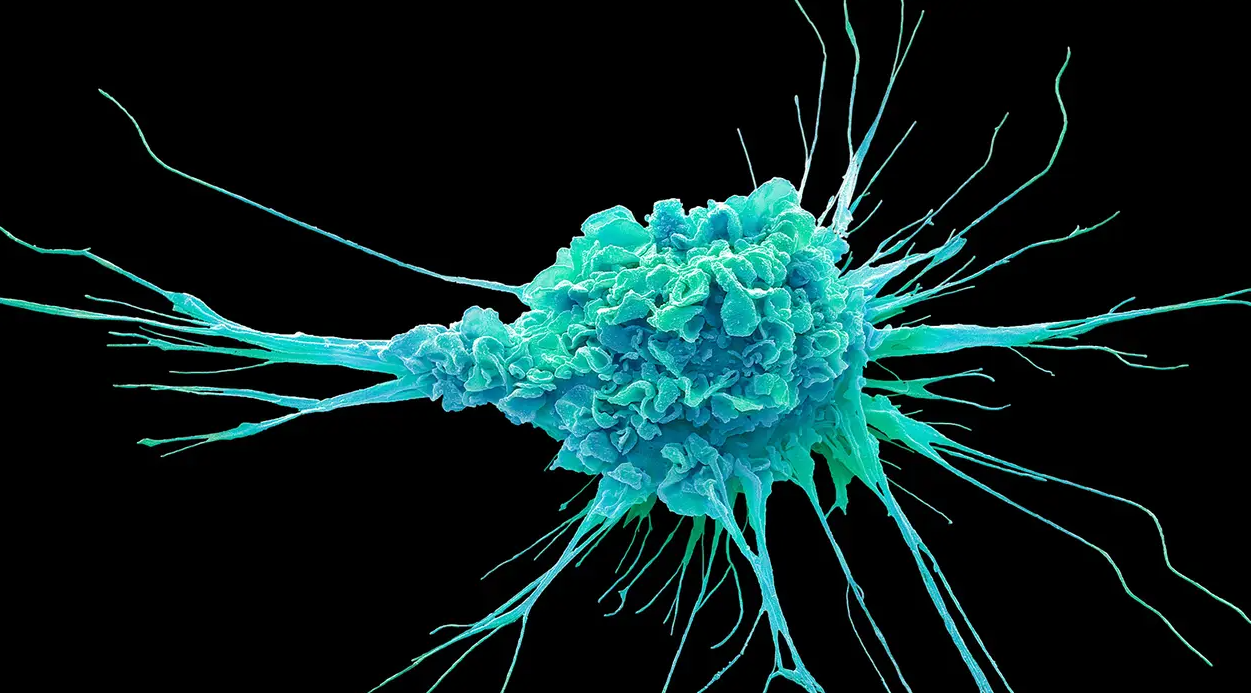
Dendritic cell therapy is a personalized immunotherapy that uses a patient’s immune cells to help the body recognize and respond to disease-related targets, most often tumor antigens. The core mechanism is selective immune activation rather than direct tumor removal. This matters because the therapy is usually positioned as part of a broader oncology strategy, not as a universal standalone cure.
In most protocols, dendritic cells are collected or derived from the patient’s blood, processed in a laboratory, exposed to relevant antigens, and then re-administered. The goal is to improve antigen presentation to T cells and strengthen a targeted immune response. For patients exploring dendritic cell therapy abroad, the real decision point is whether the diagnosis, timing, and clinic capabilities support a meaningful treatment plan.
How Dendritic Cell Therapy Works?
Dendritic cell therapy works by training immune signaling rather than attacking tissue directly. The treatment process usually begins with cell collection, followed by laboratory preparation, antigen loading, quality control, and vaccine administration. This sequence matters because the therapy depends on manufacturing precision as much as on clinical intent.
A typical treatment pathway includes several operational steps:
- Patient evaluation: Doctors review diagnosis, prior therapies, tumor status, and overall fitness.
- Cell collection: Blood-derived immune cells are collected through standard clinical methods.
- Laboratory processing: Dendritic cells are prepared and exposed to selected antigens.
- Vaccination phase: The final product is administered in one or more treatment cycles.
- Monitoring: The team tracks tolerance, immune response indicators, and disease progression.
One point many patients miss is timing. If disease progression is rapid, delays related to travel, diagnostics, or manufacturing can reduce the practical value of the therapy window. For anyone considering medical tourism for dendritic cell therapy, a useful verification step is to ask the clinic how long it takes from first consultation to first vaccine dose, because logistics often affect feasibility more than headline treatment claims.
Types of Dendritic Cell Vaccines
The main types of dendritic cell vaccines differ by antigen source, manufacturing method, and treatment objective. That distinction matters because two clinics may both offer dendritic cell therapy abroad while using very different protocols, target materials, and eligibility criteria. Comparing only the treatment name can create a misleading impression of similarity.
Common vaccine approaches include:
- Tumor lysate-based vaccines: Use tumor-derived material to expose the immune system to a broader antigen range.
- Peptide-loaded vaccines: Use selected antigen fragments and may suit cases with defined targets.
- mRNA or nucleic acid-loaded vaccines: Aim to instruct dendritic cells through encoded tumor-related information.
- Autologous personalized vaccines: Built from the patient’s own cells and disease profile.
- Research-driven custom platforms: Adapt protocol design to specific tumor biology or prior treatment history.
The trade-off is usually between personalization and operational complexity. More customized protocols may offer better biological alignment, but they often increase cost, coordination burden, and production time. This is one reason patients compare the best countries for dendritic cell therapy not only by reputation, but also by manufacturing model, diagnostic depth, and turnaround speed.
What Diseases Can Be Treated with Dendritic Cell Therapy?
Dendritic cell therapy is most commonly discussed in oncology, especially for solid tumors and selected complex cancer cases. It is generally explored when standard options are limited, when recurrence occurs, or when an integrative immunotherapy plan is being considered. That does not mean every cancer type responds equally, and it does not remove the need for conventional treatment assessment.
The therapy may be considered in contexts such as:
- Brain tumors
- Melanoma
- Prostate cancer
- Lung cancer
- Breast cancer
- Colorectal cancer
- Ovarian or other advanced solid tumors
Eligibility is influenced by tumor burden, tissue availability, prior treatment exposure, and the clinic’s lab model. A frequent mistake is assuming disease name alone determines candidacy. In practice, the deciding factors are antigen strategy, patient condition, and whether the clinic can produce a viable vaccine for that case during the dendritic cell therapy abroad process.
Dendritic Cell Therapy Risks and Side Effects
Dendritic cell therapy is usually presented as a lower-toxicity immunotherapy compared with some systemic cancer treatments, but it is not risk-free. Side effects can include fatigue, mild fever, injection-site reactions, chills, and flu-like symptoms. These events are often manageable, yet tolerability varies by patient status and concurrent therapies.
The more important risk is not always the side effect profile. It can also involve non-response, delayed benefit, or false expectations when the disease is already aggressive. Patients considering dendritic cell therapy abroad should ask what adverse events are common in that protocol, how response is monitored, and when the clinic decides the treatment is not working.
Why Patients Travel Abroad for Dendritic Cell Therapy
Patients travel abroad because access is uneven across countries. In some systems, dendritic cell therapy is limited to trials, narrow hospital programs, or small specialist networks. Going abroad can expand clinic choice, protocol variety, and scheduling flexibility, which is why medical tourism for dendritic cell therapy continues to grow in relevance.
Another reason is operational concentration. Some international centers have dedicated immunotherapy teams, established lab partnerships, and more experience with cross-border coordination. This makes dendritic cell therapy abroad attractive for patients who want more direct access to specialized centers, especially when domestic options are restricted or fragmented.
At A-Medical, we help reduce this friction by supporting patients with clinic comparisons, medical document flow, and travel coordination before treatment begins. In high-cost immunotherapy planning, early structure can reduce uncertainty at the decision stage.
Dendritic Cell Therapy Abroad vs Treatment at Home
Dendritic cell therapy abroad is usually stronger on option diversity and specialist access, while treatment at home is often stronger on continuity and convenience. The better choice depends on whether the patient values protocol access more than local follow-up simplicity. That comparison should be made case by case, not through broad assumptions.
A practical decision filter is to compare five variables: eligibility review speed, lab capability, total cost, follow-up burden, and legal clarity. Treatment at home may be preferable when a strong oncology center already offers equivalent immunotherapy access. Dendritic cell therapy abroad becomes more attractive when domestic access is restricted, timelines are long, or protocol sophistication differs materially.
What to Expect from Dendritic Cell Therapy Abroad
Most patients should expect a staged process rather than a one-visit treatment. The pathway often includes record review, remote pre-assessment, arrival diagnostics, cell collection, vaccine preparation, administration, and later monitoring. This means travel planning must align with medical sequencing, not just flight availability.
Common mistakes include underestimating stay duration, ignoring translation needs, and focusing only on the vaccine price. The full burden of medical tourism for dendritic cell therapy may include pathology review, imaging, hotel costs, local transport, and repeat visits. A reliable clinic should explain what is included, what is optional, and which steps must be completed on site.
This is also the stage where operational support becomes highly relevant. At A-Medical, we help patients organize the treatment journey more efficiently by arranging online doctor consultations before travel, so patients can learn whether they are eligible for treatment and receive a clearer final price quotation from the clinic. That early clarification can prevent unnecessary travel and helps patients compare options based on real medical feedback rather than assumptions.
Beyond the medical review phase, we support the full travel pathway linked to dendritic cell therapy abroad. Our support may include travel planning, doctor appointment scheduling, accommodation assistance, airport and clinic transfers, and interpreter services. For patients entering medical tourism for dendritic cell therapy, these services reduce practical barriers that often delay treatment decisions.
Dendritic Cell Therapy Cost
Dendritic cell therapy cost depends on personalization level, diagnostic depth, number of cycles, and clinic infrastructure. The most useful comparison is total pathway cost, not base vaccine price. A lower headline quote can become less competitive once diagnostics, accommodation, and follow-up are added.
Based on the details provided, indicative price points include:
- Germany: €18,000 to €40,000, with some protocols higher after diagnostics.
- Israel: $20,000 to $45,000 per cycle.
- UAE: $25,000 to $40,000.
- Spain: €20,000 to €35,000.
- Switzerland: CHF 30,000 to CHF 70,000.
- Italy: €20,000 to €45,000.
Cheapest Countries for Dendritic Cell Therapy
The cheapest countries for dendritic cell therapy in your list are generally Germany at the lower end, Spain, and Italy, depending on protocol complexity. Price alone, however, should not define the choice because manufacturing quality, physician oversight, and case selection standards affect value. Low-cost treatment becomes expensive if it adds weak coordination, incomplete diagnostics, or unclear eligibility screening.
For cost-sensitive patients, the better filter is “lowest total justified cost.” That means balancing clinic reputation, transparency, and included services against the quoted price. When evaluating the cheapest countries for dendritic cell therapy, patients should also check whether the quote covers diagnostics, vaccine cycles, physician supervision, and follow-up requirements.
This is also where we support patients by helping them compare itemized offers across countries instead of relying on headline numbers alone. In medical tourism for dendritic cell therapy, cost transparency is often a better decision tool than advertised affordability.
Best Countries for Dendritic Cell Therapy
The best countries for dendritic cell therapy depend on what the patient is optimizing for: research depth, price, travel convenience, or high-end private oncology infrastructure. No single destination is best across all cases. The more accurate approach is to match country strengths to patient priorities, medical complexity, and budget.
Patients researching the best countries for dendritic cell therapy should compare four core factors: protocol maturity, clinic specialization, cost structure, and treatment accessibility. A country may rank high on medical infrastructure but still be less practical if cost, visa issues, or repeat-visit requirements are difficult. That is why dendritic cell therapy abroad should be evaluated as a full pathway rather than as a country label.
Germany

Germany stands out among the best countries for dendritic cell therapy because of its specialized immunotherapy centers and strong oncology infrastructure. IOZK (Immun-Onkologisches Zentrum Köln) in Cologne is one of the most recognized names, with IO-VAC® costs around €23,000-€26,000 per vaccination cycle and initial diagnostics adding about €7,000-€8,500. Other names in your list include Nordwest Clinic Frankfurt at roughly €18,000-€30,000, Helios Hospital Berlin-Buch at €25,000-€40,000, and LDG Laboratories Dr. Gansauge Berg.
Germany is also relevant for patients who want a balance between recognized clinical structure and broader provider choice. It may also appear among the cheapest countries for dendritic cell therapy at the lower end of the range, but that depends on diagnostic scope and protocol design.
Israel

Israel is one of the best countries for dendritic cell therapy for patients seeking advanced medical systems and recognized academic-level care. Sheba Medical Center is the key reference in your list, with costs of about $20,000-$45,000 per cycle. The main trade-off is that strong reputation often comes with higher demand and tighter coordination requirements.
For some patients, Israel is a strong destination for medical tourism for dendritic cell therapy because of its international medical reputation and integrated hospital environment. The better fit is usually for patients who prioritize institutional credibility over minimum cost.
United Arab Emirates
The United Arab Emirates is relevant for patients who prioritize premium hospital environments and easier access from certain regions. Burjeel Medical City (Abu Dhabi) is listed at about $25,000-$40,000. This can be a practical option when multilingual support, private-sector coordination, and regional travel convenience are important.
The UAE may not rank among the cheapest countries for dendritic cell therapy, but it can be attractive in medical tourism for dendritic cell therapy when comfort, logistics, and private healthcare coordination carry significant weight.
Spain

Spain can offer a more balanced position between European access and upper-mid cost levels, which is why it is often considered among both the best countries for dendritic cell therapy and the more cost-conscious options. Centro Médico Teknon (Barcelona) is listed at €20,000-€35,000. Patients often consider Spain when they want a major private hospital setting without entering the highest Swiss pricing tier.
Spain can also be relevant when patients compare the cheapest countries for dendritic cell therapy, especially if they want a combination of private care access and more moderate European pricing.
Switzerland

Switzerland is typically a premium option rather than a budget one. Clinique Générale-Beaulieu (Geneva) starts around CHF 30,000 per cycle, while Hirslanden Klinik im Park (Zurich) ranges from CHF 40,000-CHF 70,000 for a full course. The likely advantage is private-clinic infrastructure, but the decision only makes sense when the added cost aligns with a clear care benefit.
Switzerland may still appear among the best countries for dendritic cell therapy for patients who prioritize high-end private oncology environments. However, it is rarely relevant when the main objective is to find the cheapest countries for dendritic cell therapy.
Best Dendritic Cell Therapy Clinics Abroad
Based on the details you provided, the most notable clinics for dendritic cell therapy abroad include IOZK Cologne, Nordwest Clinic Frankfurt, Helios Hospital Berlin-Buch, Sheba Medical Center, Burjeel Medical City, Centro Médico Teknon, Clinique Générale-Beaulieu, Hirslanden Klinik im Park, Ospedale San Raffaele, and Humanitas Research Hospital. These clinics differ in pricing, oncology setting, and likely treatment complexity. A good comparison should focus on protocol type, diagnostics included, physician oversight, and expected treatment timeline.
When reviewing clinics for medical tourism for dendritic cell therapy, patients should avoid choosing based only on name recognition. The better approach is to verify what the clinic actually provides, how personalized the vaccine process is, and what the full financial scope includes.
Everything You Should Know About Dendritic Cell Therapy
The key fact is that dendritic cell therapy abroad is a selective, highly case-dependent treatment path. It may offer strategic value in certain oncology contexts, but it is not automatically the right next step for every patient. Good decisions come from matching disease status, clinic capability, treatment timing, and budget reality.
The second point is that execution quality matters as much as theory. The strongest patient questions are practical: What vaccine type is used, what is included in the quote, how long does production take, and how will follow-up be handled after returning home. Those answers usually reveal more than broad claims about innovation, especially when comparing the best countries for dendritic cell therapy.
How A-Medical Can Help?
At A-Medical, we support patients who need a structured way to compare clinics, countries, treatment quotes, and travel requirements before making a decision. This starts with online doctor consultations, allowing patients to learn whether they are likely to be accepted by the clinic, what treatment pathway may apply, and what the likely final price quotation looks like before travel planning begins. For patients considering dendritic cell therapy abroad, this early medical and financial clarity reduces uncertainty at a critical point in the decision process.
Beyond pre-treatment coordination, we also provide broader medical tourism for dendritic cell therapy support. This can include doctor appointment scheduling, travel plan organization, accommodation support, transfer services, and interpreter assistance throughout the treatment journey. For high-cost therapies with multiple logistical steps, structured coordination is often as important as the clinic choice itself.