Treatment Abroad – Find Verified Clinics, Reviews & Prices
Treatment Abroad made simple by A-Medical. Explore top clinics worldwide and start your journey toward better health today
We make healthcare abroad
simple, transparent, and fully guided from start to finish
Submit Your Request
Tell us about your treatment needs. We carefully review your case and match you with the most suitable hospitals and doctors.
Get Official Price Quotes
We provide verified treatment offers and proformas directly from hospitals — no middlemen, full transparency.
Connect with Doctors
We arrange direct calls or video consultations with hospitals and doctors so you can discuss your treatment plan confidently.
Confirm & Start Treatment
Once you accept the treatment plan, we schedule your hospital appointment and support you throughout your medical journey.
Clinics
Discover our network of world-class medical facilities offering comprehensive healthcare services




Why Choose Us
With us, you are in safe hands. We focus on quality, transparency, and patient-first care. Here’s what sets us apart
Only Accredited Hospitals
We partner exclusively with internationally accredited and top-ranked hospitals.
Direct & Transparent Payments
You pay directly at the hospital, with no hidden fees.
Free Direct Call & Video Consultation
Speak with our experts and doctors before making any decisions.
Best Doctor & Hospital Match
We carefully select the most suitable specialist and clinic for your treatment needs.
Worldwide Hospital Network
Access to a vast global network across 90+ countries.
More Affordable Pricing
We negotiate better prices from hospitals than you would get by contacting them directly.
Medical Conditions
Explore our comprehensive coverage of medical conditions and find the right treatment options
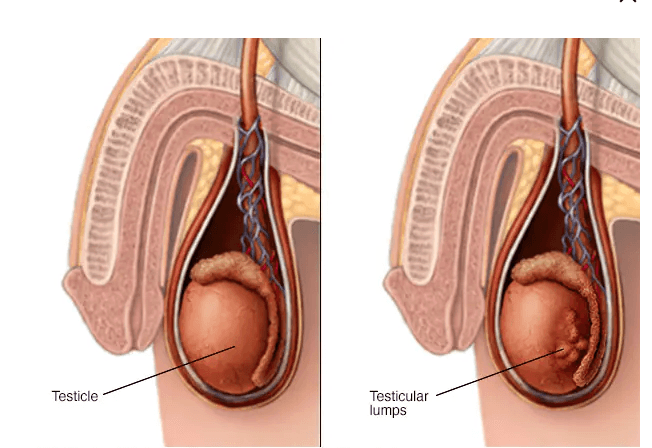
Testicular Cancer
Testicular Cancer
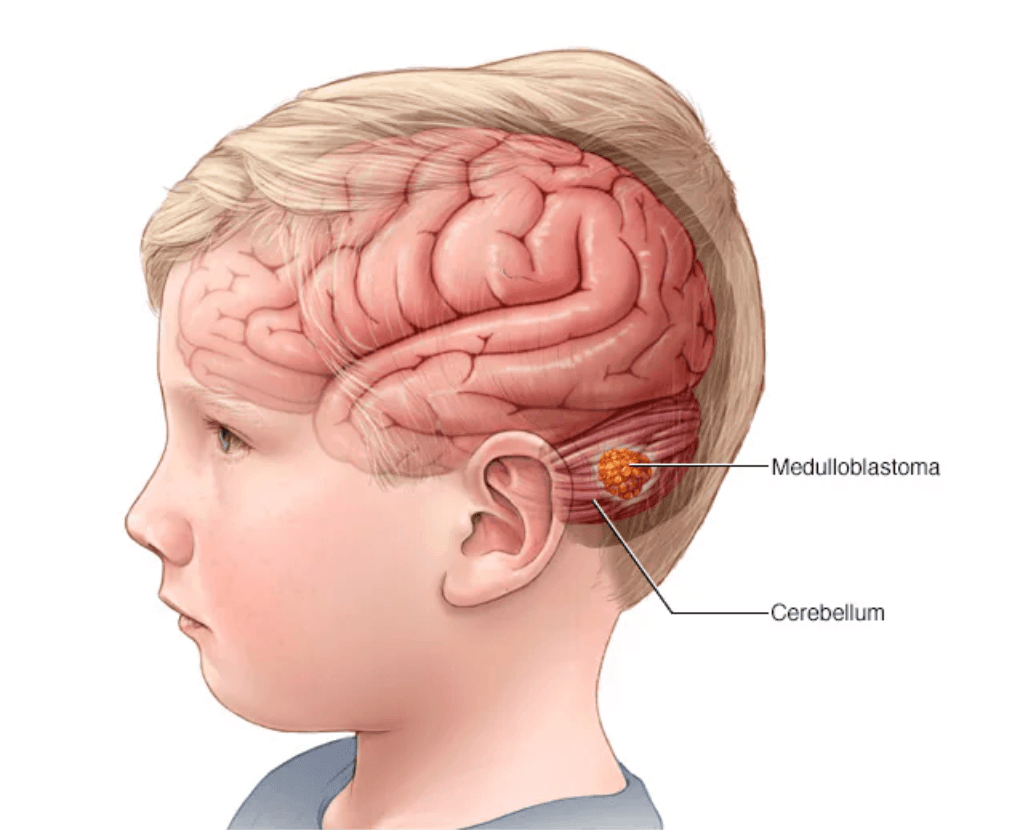
Medulloblastoma
Medulloblastoma (muh-DUL-oh-blas-TOE-muh) is a malignant (cancerous) brain tumor that begins in the cerebellum, the lower back part of the brain responsible for balance, coordination and movement. Medulloblastoma starts as a fast-growing mass of abnormal cells. These cells can spread within the brain and spinal cord through the fluid that surrounds them, called cerebrospinal fluid (CSF). Unlike many other cancers, medulloblastoma rarely spreads outside the brain and spinal cord. Although medulloblastoma can occur at any age, it is most common in young children. It is rare overall, but it is the most common malignant brain tumor in children. The risk is higher in families with certain inherited cancer-predisposition syndromes, such as Gorlin syndrome or Turcot syndrome. Symptoms Symptoms usually develop as the tumor grows or increases pressure inside the brain. Common signs and symptoms include: Headaches, often worse in the morning Nausea and vomiting Dizziness Double vision Poor coordination or clumsiness Unsteady walking Tiredness or weakness When to see a doctor Make an appointment with a healthcare professional if you or your child has symptoms that are persistent, worsening, or concerning. Causes The exact cause of medulloblastoma is not fully understood. Medulloblastoma develops when brain cells acquire changes in their DNA. DNA contains instructions that control how cells grow, divide and die. In healthy cells, these processes are tightly regulated. In cancer cells, DNA changes cause the cells to multiply rapidly and avoid normal cell death. As these abnormal cells accumulate, they form a tumor that can press on nearby brain structures, invade healthy tissue, and spread through the cerebrospinal fluid to other parts of the brain and spinal cord. Risk Factors Factors that may increase the risk of medulloblastoma include: Young age – most cases occur in children Inherited genetic syndromes that increase cancer risk, including: Fanconi anemia Gorlin syndrome Li-Fraumeni syndrome Rubinstein-Taybi syndrome Turcot syndrome Key Points to Know Medulloblastoma is aggressive but highly treatable, especially when diagnosed early Treatment often involves a combination of surgery, radiation therapy and chemotherapy Outcomes have improved significantly due to advances in pediatric neuro-oncology Early diagnosis, specialized care and long-term follow-up are essential for the best possible outcomes.
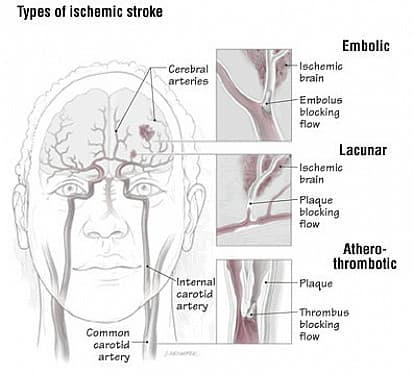
Lacunar syndromes
Lacunar Syndromes – Clear Clinical Overview Lacunar syndromes are a group of distinct neurological presentations caused by small deep infarcts (lacunes) in the brain. These infarcts result from occlusion of small penetrating arteries, most commonly due to chronic hypertension, but also diabetes and smoking. Unlike large strokes, lacunar strokes do not involve the cerebral cortex, which explains their characteristic pattern of symptoms. The Five Classical Lacunar Syndromes 1. Pure Motor Stroke (Pure Motor Hemiparesis) Most common lacunar syndrome Weakness or paralysis of the face, arm, and leg on one side No sensory loss Common lesion sites: Posterior limb of the internal capsule Basis pontis 2. Pure Sensory Stroke Numbness, tingling, or altered sensation on one side of the body No motor weakness Typically involves the thalamus (especially the ventral posterolateral nucleus) 3. Ataxic Hemiparesis Combination of: Ipsilateral weakness Poor coordination (ataxia), especially affecting gait Often appears as “clumsy walking” Common lesion sites: Pons Internal capsule Corona radiata 4. Dysarthria–Clumsy Hand Syndrome Slurred speech (dysarthria) Clumsiness and poor fine motor control of the hand Facial weakness may be present Lesions usually located in: Pons Internal capsule 5. Mixed Sensorimotor Stroke Motor weakness and sensory loss on the same side of the body Often due to lesions involving both: Thalamus (sensory) Internal capsule (motor) Causes & Pathophysiology Lacunar strokes result from disease of small penetrating arteries: 🔹 Main mechanisms Occlusion of a single small artery Lipohyalinosis Vessel wall thickening and degeneration from chronic hypertension Microatheroma Small atherosclerotic plaque within the penetrating artery 🔹 Resulting lesion Lacune: A small, fluid-filled cavity in brain tissue Size: 3–15 mm Common Brain Locations Involved Internal capsule Thalamus Pons Basal ganglia Corona radiata These are deep brain structures, which explains the symptom pattern. Diagnosis & Key Clinical Characteristics Diagnosis Clinical syndrome recognition is essential MRI (especially DWI) confirms diagnosis by showing a small deep infarct Key distinguishing features ✅ Deficits confined to motor and/or sensory pathways ❌ No cortical signs, such as: Aphasia Neglect Visual field loss Seizures This absence of cortical features helps differentiate lacunar syndromes from larger territorial strokes. Clinical Importance Lacunar strokes often have better short-term survival, but: Recurrent lacunes can lead to vascular dementia Associated with chronic small vessel disease Strongly linked to long-standing uncontrolled hypertension
Get a free consultation
Talk to our experts and discover the best solution for your needs completely free of charge.

Related Articles
Stay informed with our latest medical insights and health tips

Oncology Treatment in Turkey, Cancer Treatment in Turkey
Treatment of oncological diseases in Turkey is one of the areas in which Turkish healthcare has gained experience for many years.
Leukemia Treatment Abroad - Best Countries, Clinics & Doctors
In this guide, we'll provide information about getting leukemia treatment in another country. You can learn about the costs, the best countries for treatment, and the top clinics in our article.

Best and Cheapest Countries for Breast Augmentation
Choosing the cheapest place to get breast implants in the world is not just about the price. It’s about finding the safest, medically advanced, and regulation-compliant environment that offers the bes...
Our doctor is highly skilled and an expert in their field.