Myelodysplastic Syndromes (MDS)
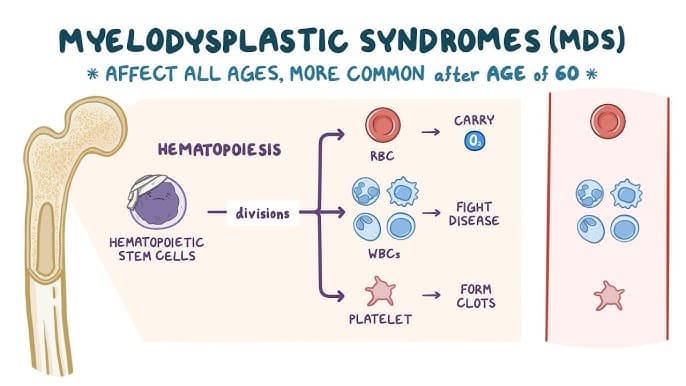
Myelodysplastic syndromes (MDS) are a group of bone marrow disorders in which the marrow fails to produce sufficient healthy blood cells. These conditions arise from mutations in hematopoietic stem cells, leading to ineffective blood formation and the accumulation of immature or abnormal cells. As a result, patients may experience anemia, infections, and bleeding. Although the exact cause of these mutations is often unknown, MDS has been linked to advanced age, genetic predisposition, environmental exposures, and prior chemotherapy or radiation therapy. MDS is considered rare, with an estimated incidence of 4 per 100,000 people annually, though rates are significantly higher in individuals over 60. In some cases, MDS can progress to acute myeloid leukemia (AML). Types of Myelodysplastic Syndromes MDS is classified based on the number of affected blood cell lines, the presence of abnormal cells, and genetic findings: MDS with Single Lineage Dysplasia (MDS-SLD): One blood cell type is dysplastic, usually associated with cytopenia. MDS with Multilineage Dysplasia (MDS-MLD): Two or more blood cell lines are affected, often causing more severe symptoms. MDS with Ring Sideroblasts (MDS-RS): MDS-RS-SLD – ring sideroblasts with single lineage dysplasia MDS-RS-MLD – ring sideroblasts with multilineage dysplasia MDS with Excess Blasts (MDS-EB): MDS-EB1 – 5–9% blasts in blood or 5–10% in marrow MDS-EB2 – 10–19% blasts in blood or 10–20% in marrow MDS with isolated del(5q): Characterized by a chromosome 5 deletion, typically with anemia and normal or elevated platelets. MDS, Unclassifiable (MDS-U): Does not meet criteria for other categories. Each subtype carries a variable risk of progression to AML. Causes and Risk Factors Key risk factors include: Age (most cases occur after 60) Environmental exposures (benzene, pesticides, tobacco smoke) Prior cancer therapy (therapy-related MDS) Inherited bone marrow failure syndromes Rare familial genetic predisposition Lifestyle factors such as smoking and alcohol use Symptoms of MDS Symptoms reflect low or dysfunctional blood cell production: Anemia: fatigue, weakness, shortness of breath, pallor Leukopenia / neutropenia: recurrent or severe infections Thrombocytopenia: easy bruising, bleeding, prolonged clotting Severity ranges from mild to life-threatening and significantly impacts quality of life. Diagnosis Diagnosis requires a comprehensive hematologic evaluation: Complete blood count (CBC) Peripheral blood smear Bone marrow aspiration and biopsy Cytogenetic and molecular genetic testing Flow cytometry for cellular characterization These tests allow accurate classification, prognostication, and treatment planning. Treatment Options Treatment is personalized based on MDS risk level, age, health status, and goals of care. Lower-Risk MDS Supportive care (blood and platelet transfusions) Erythropoiesis-stimulating agents (ESAs) Iron chelation therapy Immunosuppressive therapy in selected cases Higher-Risk MDS Hypomethylating agents (azacitidine, decitabine) Chemotherapy Allogeneic stem cell transplantation (the only curative option) Participation in clinical trials Living with MDS Managing MDS involves addressing both physical and emotional challenges. Regular follow-up, symptom control, nutritional support, and psychological care are essential. Palliative and supportive services play a key role in maintaining quality of life. Expert Care at Sheba Medical Center The Hemato-Oncology Department at Sheba Medical Center specializes in the diagnosis and treatment of myelodysplastic syndromes, offering advanced molecular diagnostics, personalized therapies, and access to innovative clinical trials. Sheba’s multidisciplinary team is committed to delivering state-of-the-art care with compassion, recognizing that every MDS journey is unique.

Patients served
Countries
Clinics
Experienced doctors
Your Benefits and Guarantees with Amedical
Experience a seamless and secure breast lift journey with Amedical.
Transparent Prices and Flexible Installment Plans
No hidden fees — only official clinic prices. You can pay for your breast lift directly at the clinic upon arrival and use a flexible installment plan if needed.

Verified Clinics and Doctors Only
Amedical is fully committed to your safety. We cooperate exclusively with medical institutions that meet high international standards in breast lift procedures and are licensed to serve international patients.

Free 24/7 Support Service
Amedical provides free expert assistance. Your personal medical coordinator supports you before, during, and after your treatment, helping to resolve any issues. You are never alone on your breast lift journey.

Your personal AMedical medical coordinator

Supports you at every stage
Helps choose the right clinic and doctor
Ensures quick and convenient access to information
Loading clinics...
Our Trusted Doctors
Our doctors are highly skilled and experts in their fields.
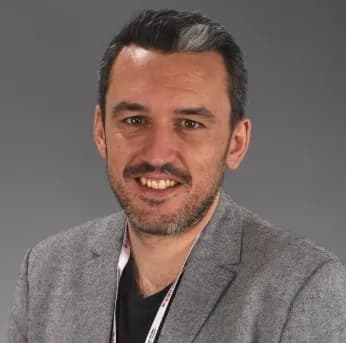
Orthopaedic surgeon and pediatric traumatologist Languages: English, Spanish, Catalan, Portuguese
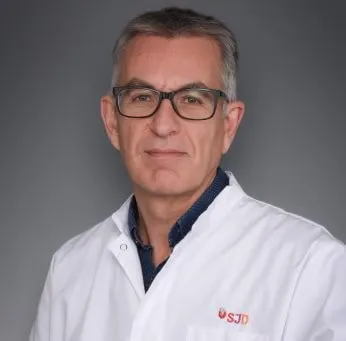
Orthopaedic surgeon and pediatric traumatologist Languages: English, Spanish and Catalan
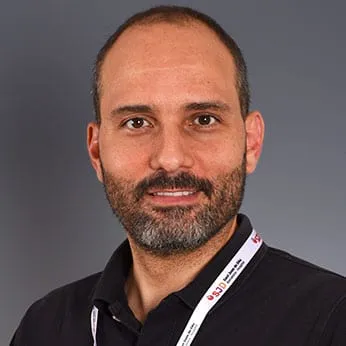
Paediatric surgeon Languages: Spanish, Catalan, English and French
Related Articles
Stay informed with our latest medical insights and health tips

The 7 Best and Cheapest Countries for Rhinoplasty Surgery
This article presents a carefully curated list of the seven best and most cost-effective destinations for rhinoplasty surgery.
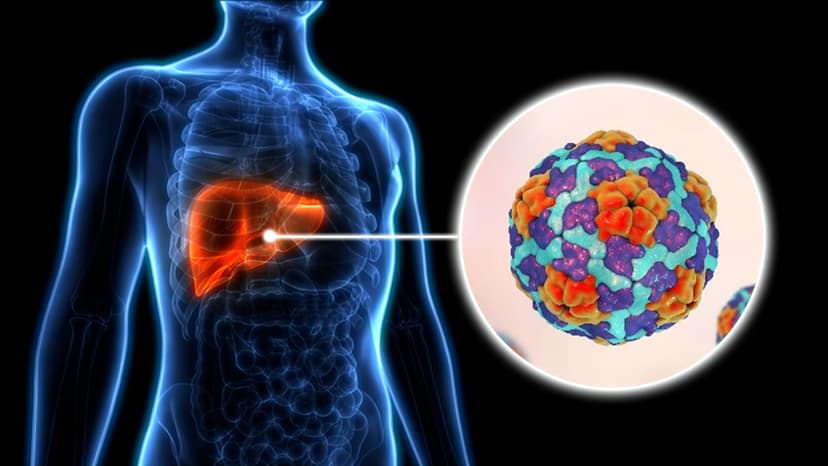
Viral Hepatitis Treatment in Turkey - Best Clinics & Treatments
In this article, we will talk about viral hepatitis treatment in Turkey and how you can get it. In our article, you can find the best clinics for hepatitis treatment in Turkey, their costs, and inform...
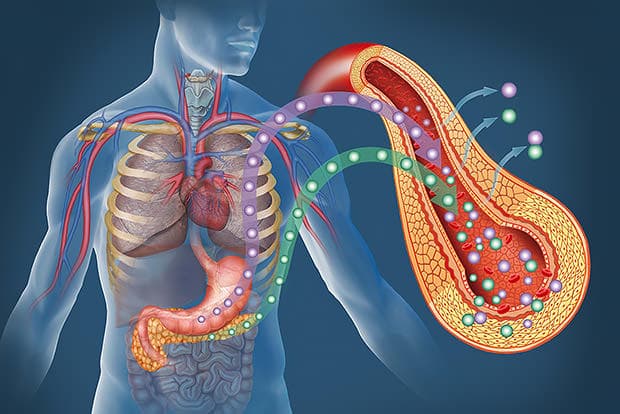
Treatment of Type 2 Diabetes in Turkey (Permanent Solution)
Type 2 diabetes surgery in Turkey stands as a significant advancement for treating diabetes.
Country Treatment
Find the best treatment options available in your country.
Get a free consultation
Talk to our experts and discover the best solution for your needs completely free of charge.