Carotid artery aneurysm
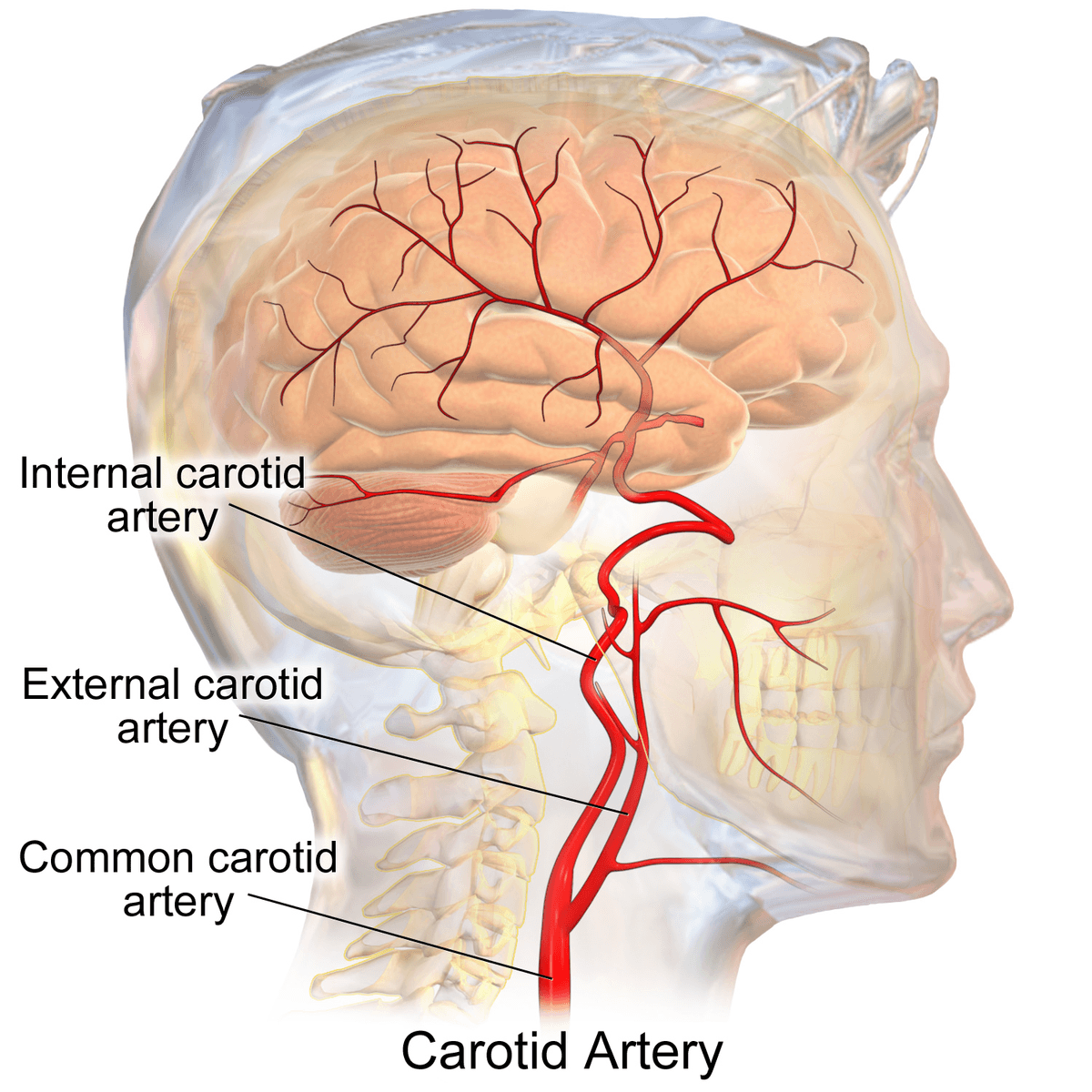
What Is a Carotid Artery Aneurysm? A carotid artery aneurysm is an abnormal bulge or ballooning in one of the carotid arteries. These arteries are major blood vessels that supply blood to the brain, head, face, and neck. You have two common carotid arteries, one on each side of your neck. As each artery travels upward, it divides into: The internal carotid artery, which supplies blood to the brain The external carotid artery, which supplies blood to the face and neck Carotid artery aneurysms can develop in any of these arteries, but they most commonly occur in the internal carotid artery. An aneurysm forms when a section of the artery wall becomes weak. As blood pressure pushes against this weakened area, the vessel wall bulges outward and becomes thinner, increasing the risk of rupture. The larger the aneurysm grows, the more dangerous it can be—similar to an overinflated balloon. How Serious Is a Carotid Artery Aneurysm? Carotid artery aneurysms affect blood vessels that supply the brain, so complications can be serious: Blood clots may form inside the aneurysm and travel to the brain, causing: Transient ischemic attack (TIA) (“mini-stroke”) Ischemic stroke Large aneurysms may rupture, leading to: Hemorrhagic stroke Life-threatening bleeding Some aneurysms remain small and stable for years, while others grow quickly and require treatment. True vs. False (Pseudoaneurysm) Carotid Artery Aneurysms True Carotid Artery Aneurysm Involves all three layers of the artery wall (intima, media, adventitia) Most commonly caused by atherosclerosis The artery wall bulges outward uniformly False Carotid Artery Aneurysm (Pseudoaneurysm) Involves only one or two layers of the artery wall Appears as a sac attached by a narrow “neck” Often caused by: Trauma Infection Complications from medical procedures Both types can lead to serious complications and may require treatment. Who Is Affected? Most commonly affects adults in their 50s or 60s Can affect adults of any age Rare in children Very rare overall: fewer than 1 in 100 aneurysms involve the carotid arteries Symptoms of a Carotid Artery Aneurysm Stroke or TIA Symptoms (Most Common) TIAs and strokes are medical emergencies. Call emergency services immediately if any of the following occur: Vision loss or difficulty seeing Difficulty walking or loss of balance Dizziness or coordination problems Numbness or weakness in the face, arm, or leg (especially one side) Sudden, severe headache Slurred or confused speech Difficulty understanding others Symptoms From Local Pressure If the aneurysm presses on nearby nerves or veins, symptoms may include: Headache Hoarseness Neck pain Facial swelling A pulsating lump in the neck Difficulty swallowing Vision problems Contact your healthcare provider if you experience any of these symptoms. Causes of Carotid Artery Aneurysms Possible causes include: Atherosclerosis (most common) Weakening of artery walls due to: Connective tissue disorders Fibromuscular dysplasia Medical procedure complications (e.g., carotid surgery, radiation therapy) Traumatic injuries (e.g., blunt trauma, gunshot wounds) Risk Factors Factors that increase risk include: Family history of aneurysms High blood pressure (hypertension) Smoking or tobacco use Diagnosis Carotid artery aneurysms are diagnosed through: Physical Exam Listening for abnormal blood flow sounds (carotid bruit) Medical & Family History Identifies inherited risks and underlying conditions Imaging Tests Ultrasound CT scan Magnetic resonance angiography (MRA) Additional tests may include: Brain imaging to assess blood flow Genetic testing Screening of the aorta or other arteries Some aneurysms are found incidentally during imaging for other reasons. Treatment Options Treatment depends on aneurysm size, growth rate, location, and symptoms. Surveillance (Watchful Waiting) Regular imaging every 6–12 months Suitable for small, symptom-free aneurysms Blood pressure and cholesterol medications may be prescribed Open Surgery Removal of the diseased artery segment Blood flow restored using a bypass graft Graft may be synthetic or taken from another blood vessel Endovascular Stent Grafting Minimally invasive A stent graft is placed inside the artery through a catheter Creates a new pathway for blood flow Suitable for select aneurysms based on size and location Outlook and Prognosis Outcomes vary: Some aneurysms remain stable for years Others grow and require intervention Surgical and endovascular treatments are effective but carry risks Your healthcare provider will guide you based on your individual condition. Prevention and Risk Reduction You can lower your risk by: Quitting smoking Eating a heart-healthy diet Exercising regularly Limiting alcohol intake Managing blood pressure and cholesterol Taking medications as prescribed Attending regular medical checkups Living With a Carotid Artery Aneurysm Follow your provider’s lifestyle recommendations Ask about activity restrictions Attend all follow-up appointments Report new or worsening symptoms promptly Questions to Ask Your Doctor Where is my aneurysm located? How large is it? Do I need treatment now or later? What are my treatment options? What are the risks and benefits? Are there activity restrictions? How often will I need imaging or follow-ups?

Patients served
Countries
Clinics
Experienced doctors
Your Benefits and Guarantees with Amedical
Experience a seamless and secure breast lift journey with Amedical.
Transparent Prices and Flexible Installment Plans
No hidden fees — only official clinic prices. You can pay for your breast lift directly at the clinic upon arrival and use a flexible installment plan if needed.

Verified Clinics and Doctors Only
Amedical is fully committed to your safety. We cooperate exclusively with medical institutions that meet high international standards in breast lift procedures and are licensed to serve international patients.

Free 24/7 Support Service
Amedical provides free expert assistance. Your personal medical coordinator supports you before, during, and after your treatment, helping to resolve any issues. You are never alone on your breast lift journey.

Your personal AMedical medical coordinator

Supports you at every stage
Helps choose the right clinic and doctor
Ensures quick and convenient access to information
Loading clinics...
Our Trusted Doctors
Our doctors are highly skilled and experts in their fields.
MEDICAL INTERESTS Leukemia Lymphoma Multiple myeloma Bone marrow transplantation Anemia Bleeding and coagulation disorders Hemophilia
MEDICAL INTERESTS Detailed Level 2 Fetal Ultrasound (20-24 Weeks) Double Screening Test NT Measurement (11-14 Weeks) Fetal Growth Development Delay Monitoring Management of Fetal Anemia and Infection Invasive Fetal Diagnostic Procedures in Utero
MEDICAL INTERESTS Breast Diseases Benign Anorectal Diseases Laparoscopic and Open Hernia Surgery Endoscopy (Gastroscopy, Colonoscopy, PEG Placement)
Related Articles
Stay informed with our latest medical insights and health tips

ALS Treatment in Turkey: Best Clinics and Costs
This article discusses ALS treatment with stem cells in Turkey. For information on costs, top clinics, and procedures, read on.

Çaytikanı Yağı: İstifadəsi, Faydaları, Zərərləri və Qiyməti
Çaytikanı yağı çaytikanının (Melaleuca alternifolia) yarpaqlarından gəlir. Avstraliyanın cənub-şərqindəki bataqlıq sahillərində böyüyür.
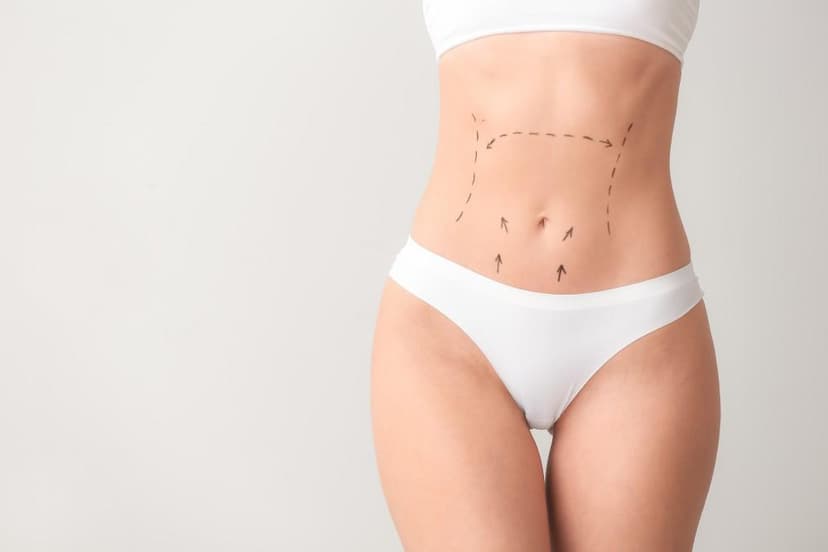
Liposuction in Turkey - Best Clinics, Costs and Packages
This article provides comprehensive insights into fat removal surgery (liposuction) in Turkey, covering everything you need to know about the procedure.
Country Treatment
Find the best treatment options available in your country.
Get a free consultation
Talk to our experts and discover the best solution for your needs completely free of charge.