Brain aneurysm
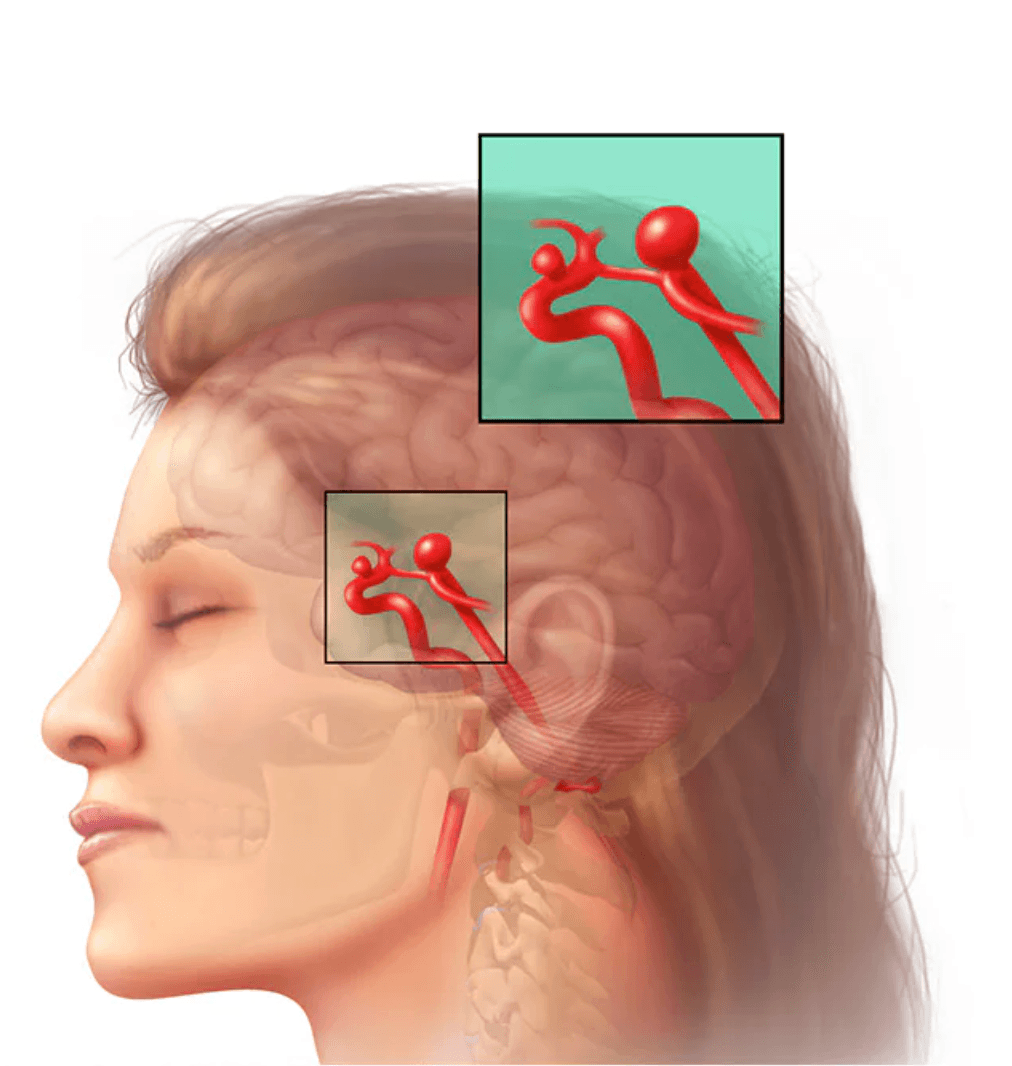
What Is a Brain Aneurysm? A brain aneurysm, also called a cerebral aneurysm, is a bulge or balloon-like swelling that forms in a weakened area of an artery in the brain. Over time, pressure from blood flow can cause this weakened section of the vessel wall to expand. Brain aneurysms vary in size and risk. Many never cause symptoms, while others can rupture and become life-threatening. Types of Brain Aneurysms Unruptured Brain Aneurysm Most brain aneurysms do not rupture. Many remain undetected for years and cause no symptoms unless they grow large enough to press on nearby nerves or brain tissue. Ruptured Brain Aneurysm In a smaller number of cases, an aneurysm can rupture, leading to bleeding in the brain (hemorrhagic stroke). This is a medical emergency and can result in permanent brain damage or death. The risk of rupture is higher in women and people over 40 years of age. Symptoms of a Brain Aneurysm Symptoms of an Unruptured Brain Aneurysm Most unruptured aneurysms cause no symptoms. However, if an aneurysm enlarges and compresses nearby structures, symptoms may include: Sudden changes in vision (blurred, double vision, or vision loss) Pain above or behind one eye Dilated pupil(s) Drooping eyelid Weakness or paralysis on one side of the face Difficulty speaking Symptoms of a Ruptured Brain Aneurysm The hallmark symptom of a ruptured aneurysm is a sudden, severe headache, often described as the “worst headache of my life” (also known as a thunderclap headache). Other symptoms may include: Nausea and vomiting Sensitivity to light Neck stiffness or pain Seizures Confusion or disorientation Loss of consciousness or brief blackouts 🚨 Seek immediate medical attention if these symptoms occur. A persistent headache lasting days or weeks may also indicate a leaking aneurysm and should be urgently evaluated. What Causes a Brain Aneurysm? Brain aneurysms develop due to a weakened or defective artery wall, although the exact cause is not always known. Contributing factors may include: Degenerative changes related to aging High blood pressure Atherosclerosis (hardening of the arteries due to fatty deposits) Aneurysms most commonly form in large arteries at the base of the brain or at branching points where vessel walls are naturally weaker. Risk Factors for Brain Aneurysms Several factors increase the likelihood of developing a brain aneurysm: Family history (especially first-degree relatives) Genetic connective tissue disorders, such as Ehlers-Danlos syndrome or Marfan syndrome Congenital conditions, including polycystic kidney disease, arteriovenous malformations (AVMs), and coarctation of the aorta High blood pressure (hypertension) Smoking Excessive alcohol consumption Drug use, particularly cocaine Severe head injury Certain infections (rare, but can cause mycotic aneurysms) Increasing age, especially over 40 Female gender Complications and Related Conditions An unruptured aneurysm can increase pressure inside the skull. If rupture occurs, bleeding disrupts normal blood flow and oxygen delivery to the brain, potentially leading to: Hemorrhagic stroke Permanent brain damage Coma Death Other serious complications include: Re-bleeding, causing further brain injury Vasospasm, narrowing blood vessels and increasing stroke risk Hydrocephalus, a buildup of cerebrospinal fluid causing pressure on the brain Hyponatremia, dangerous sodium imbalance leading to brain swelling Seizures, due to electrical disturbances in the brain Can Brain Aneurysms Be Prevented? There is no guaranteed way to prevent brain aneurysms. However, the risk can be reduced through healthy lifestyle choices: Quit smoking Avoid recreational drugs Control high blood pressure Limit alcohol and caffeine intake Maintain a balanced, low-salt diet Exercise regularly Maintain a healthy weight

Patients served
Countries
Clinics
Experienced doctors
Your Benefits and Guarantees with Amedical
Experience a seamless and secure breast lift journey with Amedical.
Transparent Prices and Flexible Installment Plans
No hidden fees — only official clinic prices. You can pay for your breast lift directly at the clinic upon arrival and use a flexible installment plan if needed.

Verified Clinics and Doctors Only
Amedical is fully committed to your safety. We cooperate exclusively with medical institutions that meet high international standards in breast lift procedures and are licensed to serve international patients.

Free 24/7 Support Service
Amedical provides free expert assistance. Your personal medical coordinator supports you before, during, and after your treatment, helping to resolve any issues. You are never alone on your breast lift journey.

Your personal AMedical medical coordinator

Supports you at every stage
Helps choose the right clinic and doctor
Ensures quick and convenient access to information
Loading clinics...
Our Trusted Doctors
Our doctors are highly skilled and experts in their fields.
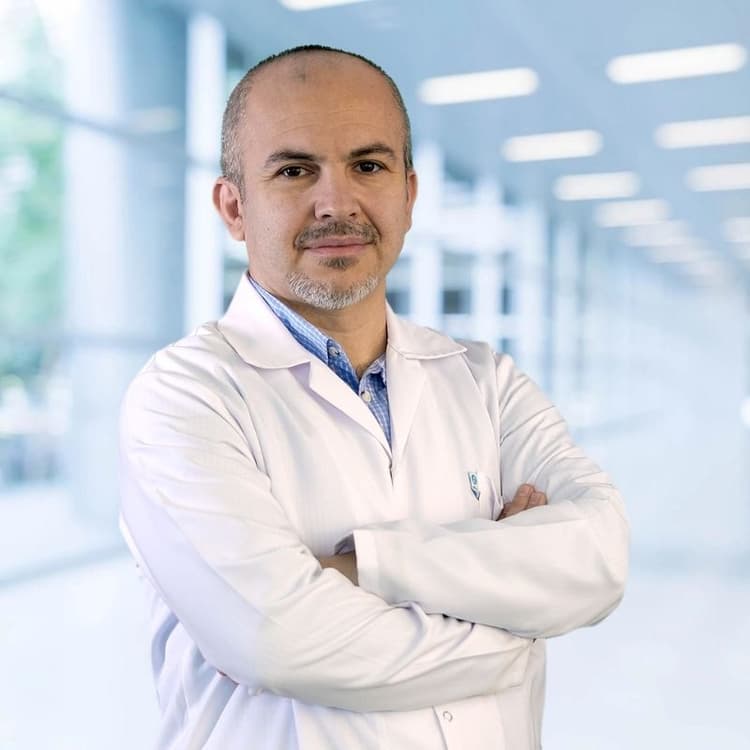
Dr. Murat Yaman is a highly respected plastic and cosmetic surgeon known for his refined surgical technique and consistent, natural-looking results. With many years of hands-on experience, he has built a strong reputation as one of the leading specialists in aesthetic surgery. He is particularly recognized for his expertise in abdominoplasty (tummy tuck) procedures, where he combines advanced surgical methods with meticulous body contouring to achieve balanced, long-lasting outcomes. Throughout his career, Dr. Yaman has performed a remarkable volume of aesthetic operations, including: Over 1,500 rhinoplasty (nose reshaping) and breast augmentation surgeries Around 500 facelift procedures Approximately 1,000 lifting surgeries for different body areas Nearly 1,000 liposuction treatments, many using advanced VASER liposuction technology for more precise fat removal and smoother contours His approach focuses on patient safety, individualized planning, and modern techniques that aim to shorten recovery time while maximizing aesthetic harmony.

Dr. Emre Günbey is an Assistant Professor of Ear, Nose and Throat (ENT) and a specialist in advanced nasal and sinus surgery. He is a member of the European Board of Otorhinolaryngology and Head and Neck Surgery and the European Rhinology Society. His main areas of expertise include: Rhinoplasty (nose aesthetics) Endoscopic sinus surgery Snoring and sleep apnea surgery Head and neck tumor surgery He graduated from Ege University Faculty of Medicine in 2003 and completed his ENT residency at Keçiören Training and Research Hospital in 2011. Throughout his career, Dr. Günbey has worked at Lokman Hekim Istanbul Hospital and Adatıp Istanbul Hospital. He also expanded his international experience as an observer at the renowned Mayo Clinic in the United States.

Senior Physician Specialist in Neurology German, English
Related Articles
Stay informed with our latest medical insights and health tips
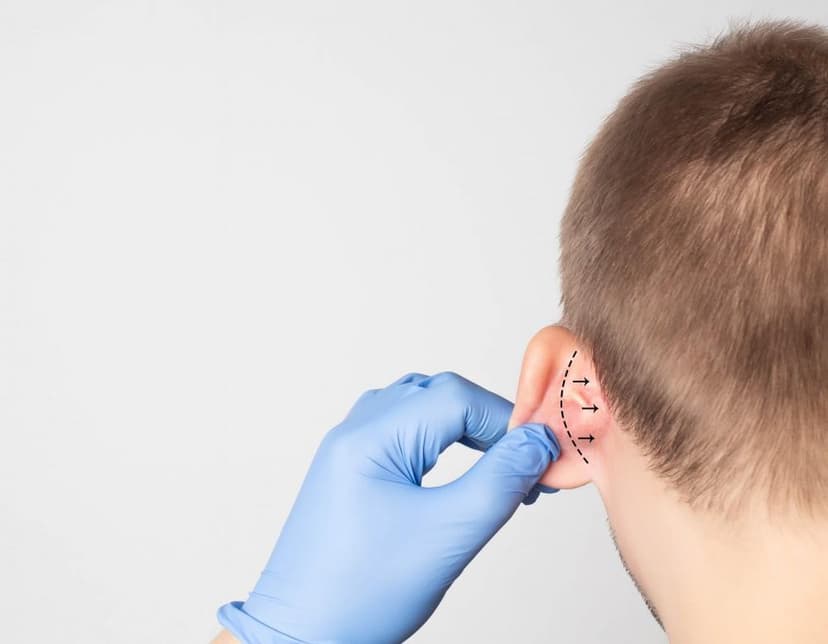
Otoplasty in Turkey (Ear Surgery) - Best Clinics and Doctors
Otoplasty surgery aims to enhance the look of your ears, ensuring they match your face. Whether it's fixing birth-related or accident-caused deformities, this procedure can make a positive difference.

Bone Marrow Transplant in Turkey - Clinics, Costs, Doctors - Updated List 2026
A comprehensive guide to Bone Marrow Transplant in Turkey: Compare costs, success rates, and the best doctors. Get rapid access to JCI-accredited treatment starting at $20,500 with A-Medical's all-inc...

How Much Does Stem Cell Therapy Cost in 2025?
This article explains how stem cell therapy has evolved into a widely used regenerative treatment across orthopedic, neurological, autism, cosmetic and anti-aging fields, highlighting how prices diffe...
Country Treatment
Find the best treatment options available in your country.
Get a free consultation
Talk to our experts and discover the best solution for your needs completely free of charge.