Contents
Related Topics
Revision Rhinoplasty in Turkey | 2026 Costs & Clinics
If your first nose job left you unhappy with the shape, breathing function, or both, revision rhinoplasty in Turkey gives you a credible second chance at a result you can finally live with. A complete revision package in Turkey starts from €4,000 (around USD 4,300) and rarely exceeds USD 8,000, while the same secondary procedure costs USD 18,000 to USD 25,000 in the United States and £8,000 to £14,000 in the United Kingdom, where private waiting times often run 4 to 8 months and NHS does not cover cosmetic revisions at all. International patients choose Istanbul because it concentrates the highest volume of revision-specialised ENT and plastic surgeons in the wider region, which directly translates into better outcomes for one of the most technically demanding facial procedures in modern surgery.
What Is Revision Rhinoplasty and Who Needs It?
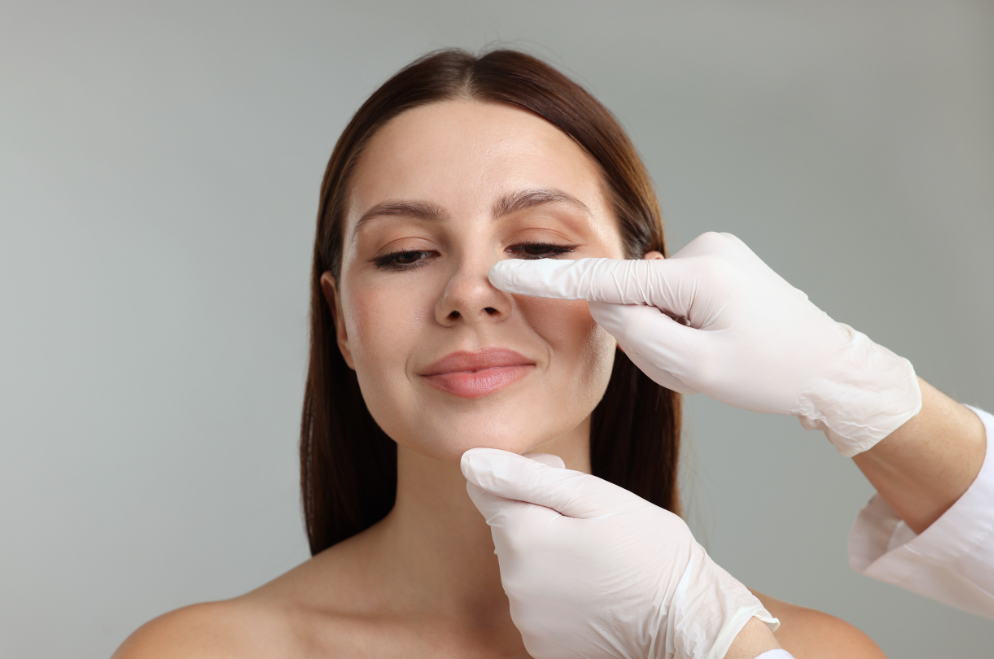
Revision rhinoplasty, also called secondary rhinoplasty, is a corrective nose operation performed on patients who already had a primary rhinoplasty but were left with aesthetic, functional, or combined problems. Studies on outcomes after primary rhinoplasty consistently report revision rates between 5% and 15%, with nasal tip irregularities, asymmetry, and post-surgical breathing problems making up the majority of cases. The procedure is far more demanding than the original surgery because the surgeon works inside an altered anatomy filled with scar tissue, weakened cartilage, and unpredictable healing patterns.
Common reasons patients seek a revision in Turkey include:
- A nasal tip that is too pinched, drooping, over-rotated, or asymmetric.
- A bridge that is too low after over-resection or still too high after an undercorrection.
- Persistent breathing difficulty caused by collapsed internal valves or a deviated septum that was not properly addressed.
- Visible irregularities, bumps, or step-offs on the dorsum that became more obvious as swelling resolved.
- A polly beak deformity, where the supratip area sits higher than the actual tip.
- An over-resected nose that has lost structural support and looks scooped or short.
Revision Rhinoplasty Cost in Turkey vs UK, USA, and Germany
Pricing for revision rhinoplasty in Turkey sits between USD 4,300 and USD 8,000 for a complete all-inclusive package, depending on case complexity, the need for cartilage grafts, and the surgeon's revision-specific experience. Simpler corrections involving the tip alone start at the lower end, while structural rebuilds requiring rib or ear cartilage grafts move toward the upper end. The same secondary surgery in the United States routinely costs USD 18,000 to USD 25,000 for the surgeon's fee alone, before anaesthesia and facility charges are added.
|
Country |
Primary Rhinoplasty |
Revision Rhinoplasty |
Wait Time (Private) |
|---|---|---|---|
|
Turkey |
USD 2,500 to 4,500 |
USD 4,300 to 8,000 |
1 to 3 weeks |
|
United States |
USD 9,500 to 15,000 |
USD 18,000 to 25,000 |
2 to 6 months |
|
United Kingdom |
£5,500 to 8,500 |
£8,000 to 14,000 |
4 to 8 months |
|
Germany |
€5,000 to 8,000 |
€7,500 to 12,000 |
3 to 5 months |
|
Canada |
CAD 12,000 to 18,000 |
CAD 16,000 to 22,000 |
3 to 9 months |
Three structural reasons explain the gap. Operational costs for Turkish hospitals run roughly 60% lower than equivalent Western facilities. The Turkish lira creates a strong currency advantage for patients holding USD, EUR, or GBP. And the sheer volume of nose surgeries performed in Istanbul has produced an unusually deep pool of high-frequency revision specialists, who compete for international patients on price as well as outcomes. Final quotes still vary based on clinic, surgeon expertise, and the patient's individual anatomy.
Want a clear quote for your specific case? Send your previous operation notes and recent photos to A-Medical for a free written assessment from board-certified Turkish revision specialists, with no obligation to book.
Why International Patients Choose Turkey for Revision Nose Surgery
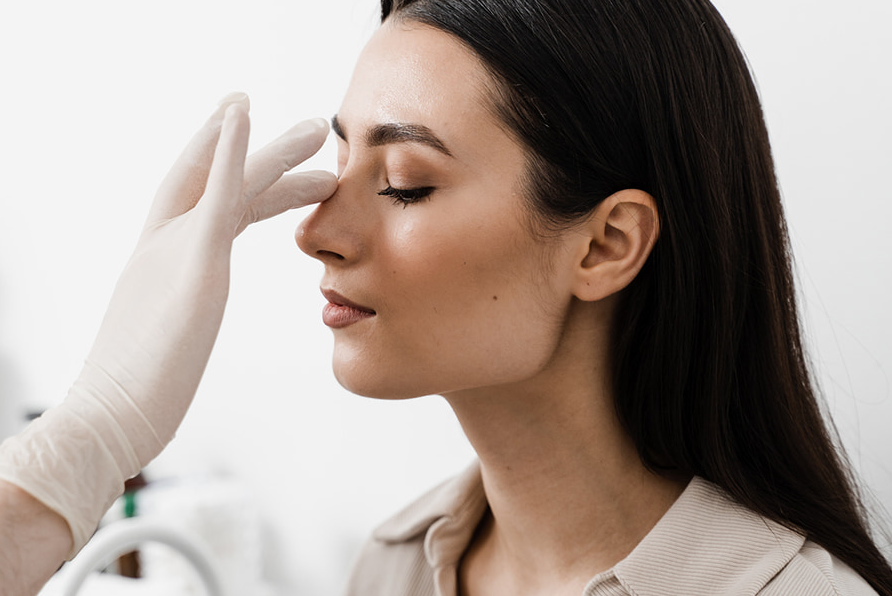
Turkey performed more than 83,000 rhinoplasties in 2023 alone, which puts Istanbul among the highest-volume nose surgery hubs worldwide. Volume matters more for revision cases than for any other plastic surgery procedure, because secondary noses present challenges that only repeated exposure can train a surgeon to handle. A surgeon performing 200 to 400 nose surgeries a year, with revisions making up 20% to 30% of that volume, simply sees more difficult anatomy than a generalist plastic surgeon performing 30 to 40 noses a year in a Western private practice.
Other practical factors that pull revision patients to Turkey include short access timelines (most clinics offer assessment within 2 weeks), JCI and ISO accredited hospitals concentrated in Istanbul and Ankara, English-speaking medical staff, and the option to combine surgery with a low-risk recovery in a familiar urban environment. Turkey received over 1.5 million health tourists in a recent year according to USHAŞ data, with aesthetic procedures making up a significant share of that volume.
Best Clinics for Revision Rhinoplasty in Turkey
A-Medical works with a curated network of accredited Turkish hospitals and surgeons who handle a high annual volume of secondary nose cases. Below are the verified facilities our team coordinates with for revision rhinoplasty in Turkey, drawn from our partner clinic list at amedical.az.
Abat Medical Center, Istanbul
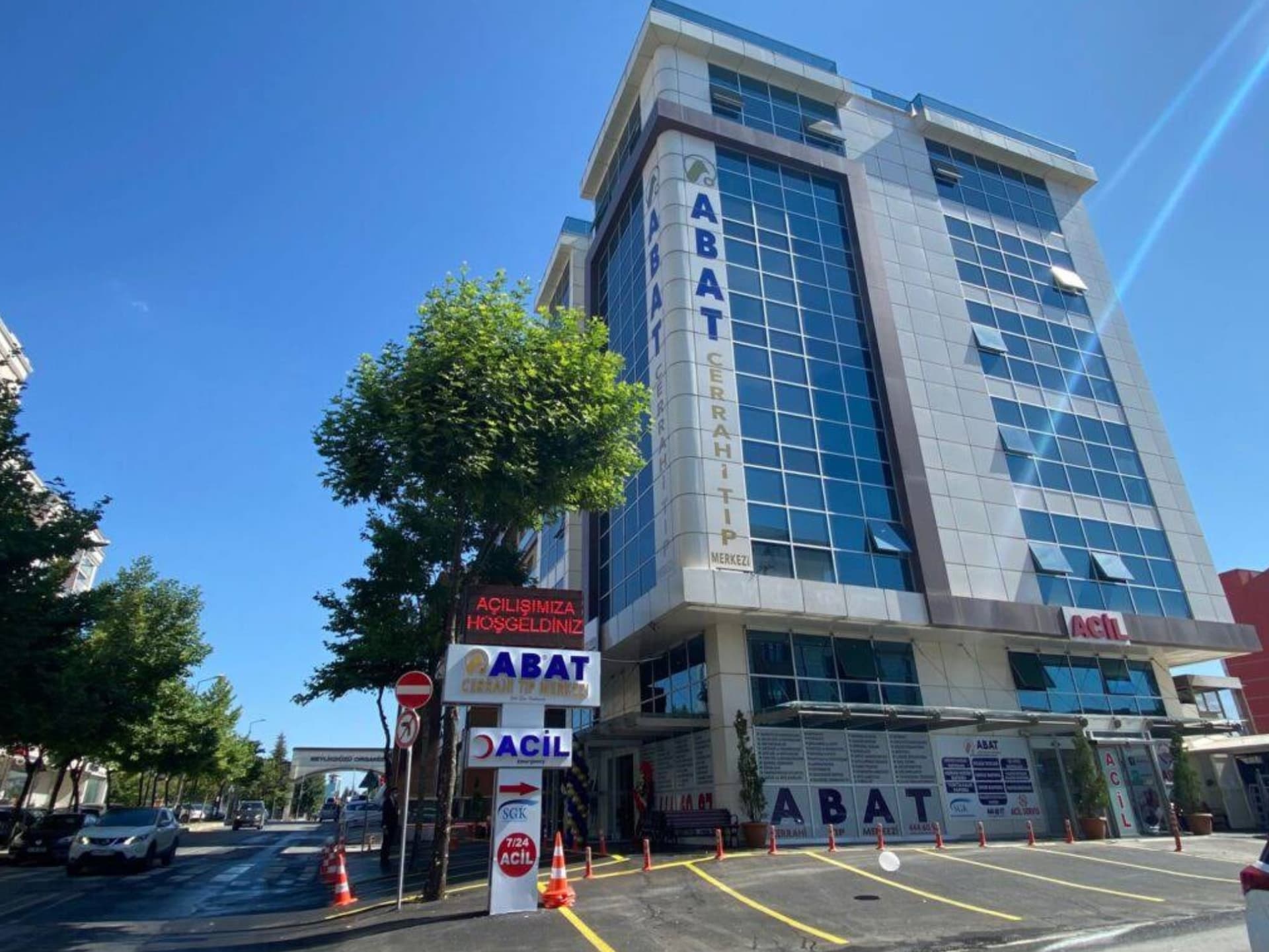
Private Abat Medical Center is a multidisciplinary hospital in Istanbul with an established plastic surgery and ENT department experienced in secondary nasal corrections. Through A-Medical, the all-inclusive revision rhinoplasty package at Abat is priced at USD 3,806, which positions it as one of the most affordable verified options for international patients without compromising on hospital-grade safety standards.
Patients exploring cosmetic procedures abroad may also consider preservation rhinoplasty in Turkey for world-class results at competitive prices.
The Abat Medical Center package covers:
- Airport and clinic transfers throughout the stay.
- Doctor appointment and pre-operative consultation.
- Pre-surgery analysis and required laboratory tests.
- Hospital stay during the immediate post-operative period.
- Translator support assigned for the duration of the medical stay.
Lokman Hekim Health Group, Istanbul
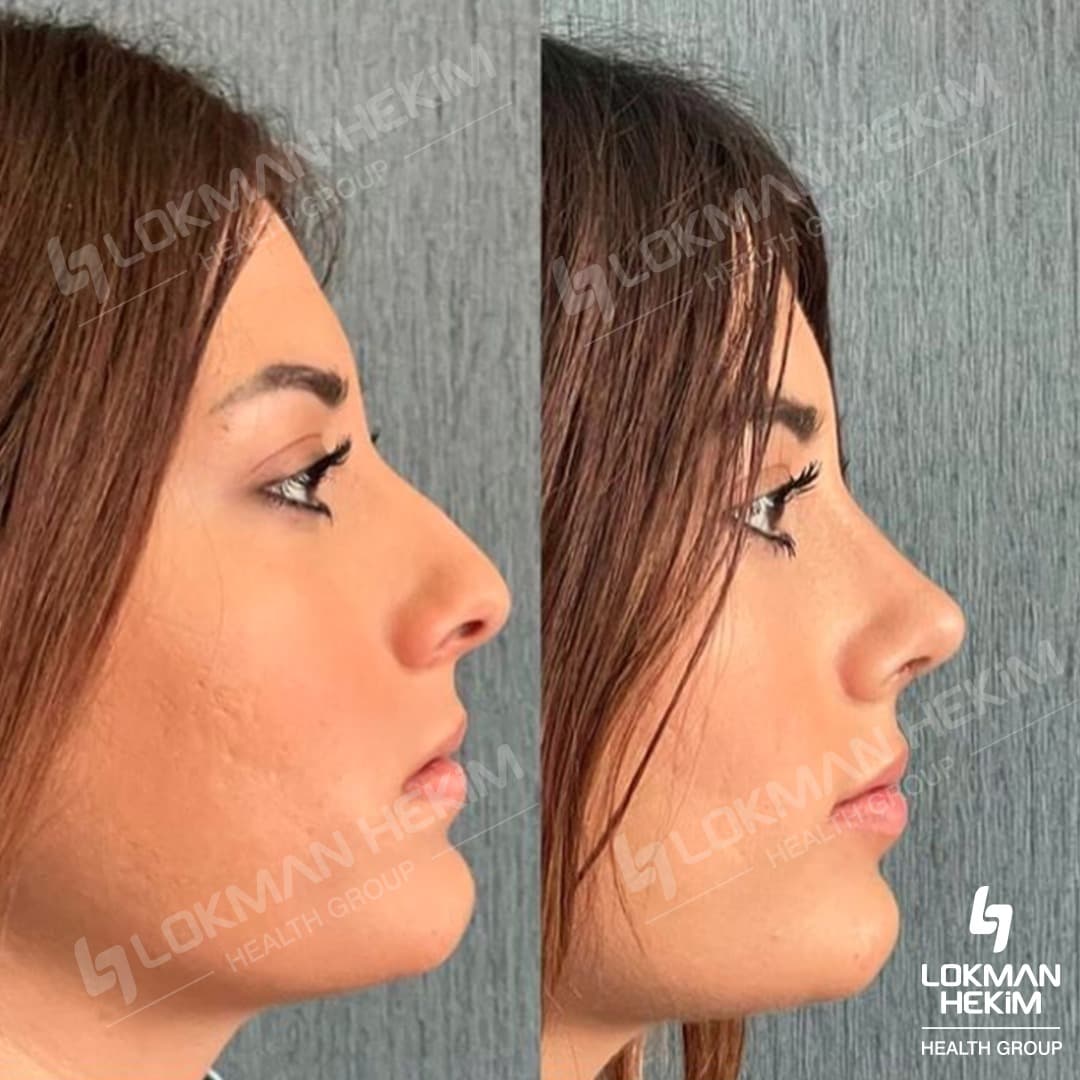
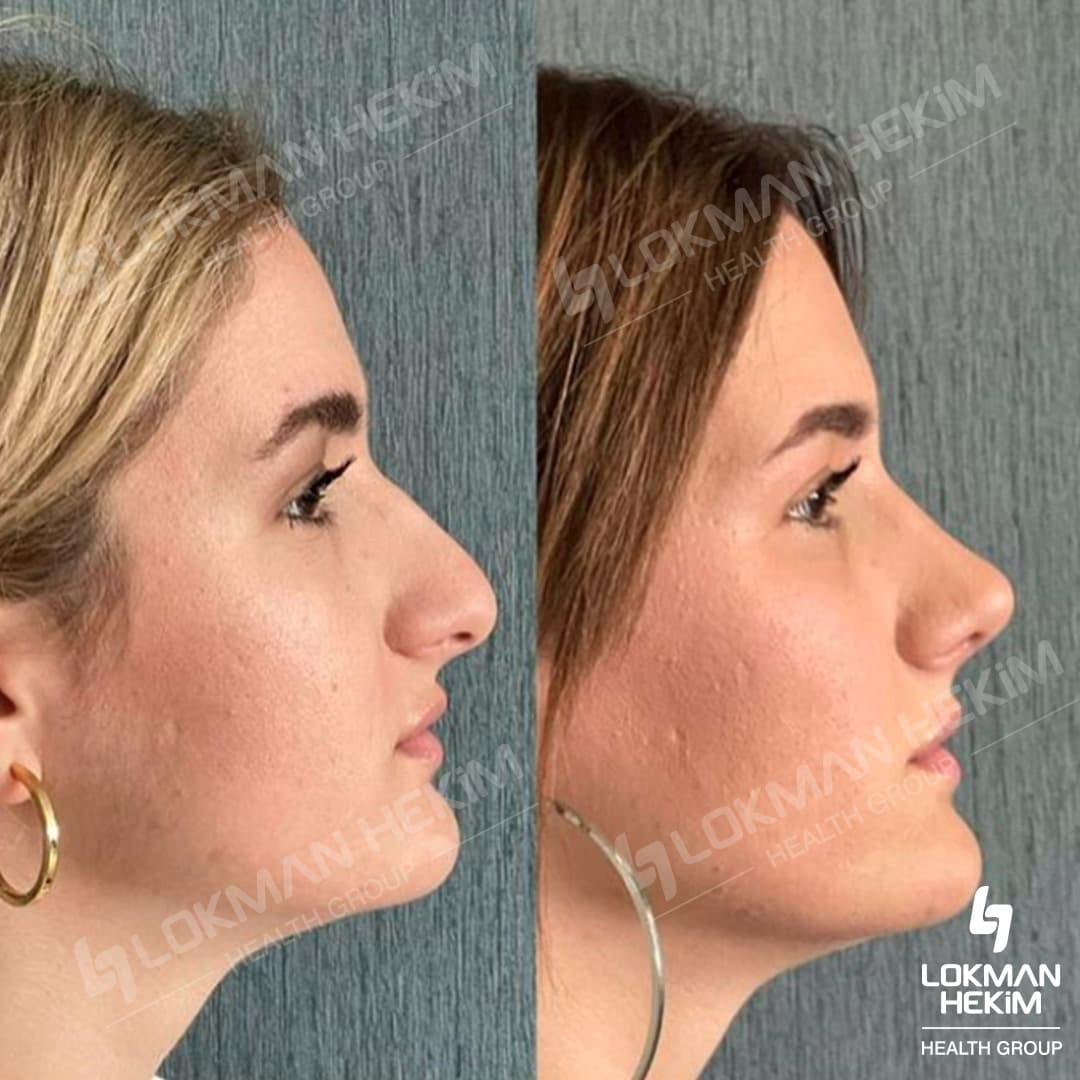 Lokman Hekim is a JCI-accredited Turkish healthcare group with a high-volume ENT and facial plastic surgery department. Their revision rhinoplasty programme is led by senior ENT-trained nose specialists with extensive experience in piezo ultrasonic techniques and structural grafting using rib or ear cartilage. The Lokman Hekim revision package booked through A-Medical is priced at €4,000 and includes the full medical and travel logistics needed for a comfortable stay.
The Lokman Hekim revision package covers:
- Pre-operative analysis and diagnostic tests.
- Doctor appointment and surgical consultation.
- VIP airport and inter-city transfers.
- 1 night hospital stay under nursing observation.
- 5 nights hotel accommodation during the recovery window.
Other Verified Partner Hospitals in Turkey
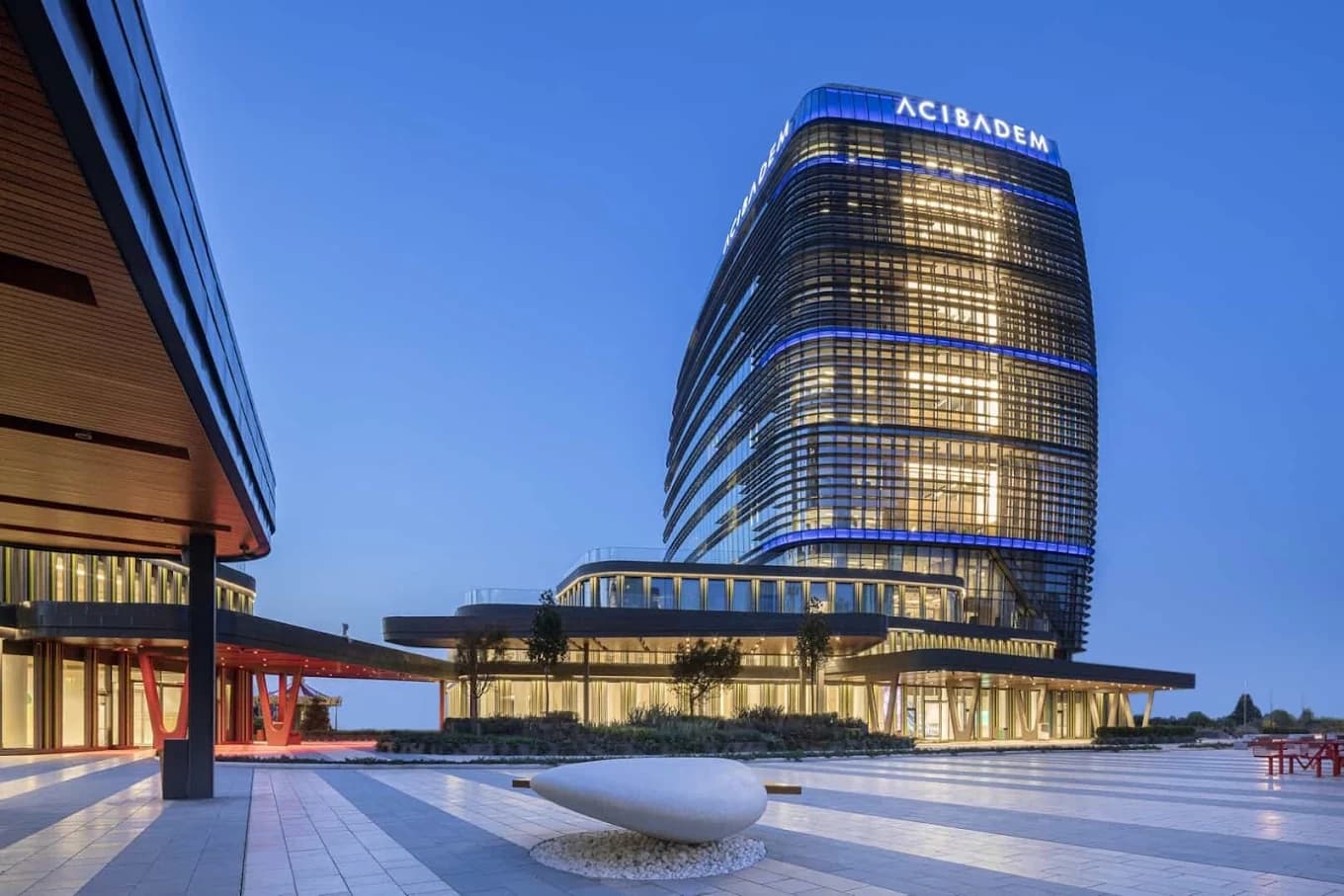
Beyond the two flagship packages, A-Medical also coordinates revision rhinoplasty cases at additional accredited facilities in Istanbul, Ankara, and Antalya. These include:
- Acibadem Healthcare Group (Istanbul) is the largest private hospital network in Turkey, holding multiple JCI accreditations across its Istanbul branches and offering senior plastic surgeons for complex revision cases.
- Anadolu Medical Center (Istanbul) operates in academic affiliation with Johns Hopkins Medicine and runs a separate facial plastic surgery unit.
- Memorial Health Group (Istanbul, Ankara) was the first JCI-accredited hospital network in Turkey and houses high-volume ENT professors who handle structural revision cases.
- Medical Park Hospitals (Istanbul, Antalya) is a nationwide chain offering Antalya as an alternative coastal recovery location for patients who want a quieter post-operative environment.
- Hisar Intercontinental Hospital (Istanbul) is a specialist surgical centre on the Anatolian side of the city with a strong reputation for facial aesthetic procedures.
What Makes Revision Rhinoplasty Harder Than the First Operation
Most patients underestimate how different a secondary nose operation is from a primary case. Three factors compound the difficulty:
- Scar tissue and altered anatomy. Internal scar tissue from the first surgery makes it harder to identify normal anatomical landmarks. Surgeons must work slower and rely on tactile experience rather than visual cues alone.
- Cartilage shortage. If the first surgeon removed too much septal cartilage, there may not be enough natural graft material left for the revision. In these cases the surgeon harvests cartilage from the ear (conchal graft) or rib (costal graft), each of which adds operating time and recovery considerations.
- Skin envelope changes. Skin that has been operated on once heals differently. Thickened, scarred, or thinned skin reacts unpredictably to a second procedure, which is why preservation techniques and minimal-trauma instruments matter more in revision than in primary cases.
This is why Turkish revision specialists rely heavily on advanced techniques such as piezo (ultrasonic) bone shaping, which causes less trauma to thin or scarred skin, and structural rib grafting, which can rebuild a collapsed framework that lost its support during the original operation.
When Can You Have Revision Rhinoplasty After the First Surgery?
The widely accepted minimum waiting period is 12 months after the primary rhinoplasty, with many specialists preferring 12 to 18 months. Two reasons drive this:
- Post-operative swelling and scar tissue need time to fully resolve before the final result becomes visible.
- Operating on a nose that is still healing increases the risk of unpredictable outcomes, additional scar formation, and skin envelope problems.
The exception is severe functional impairment such as a collapsed nasal valve causing significant breathing difficulty, where earlier intervention is sometimes warranted. A-Medical coordinators always request your operation notes and recent photographs before recommending a timeline, and forward them to the partner surgeon for an honest opinion on whether you are ready for revision or should wait longer.
Step-by-Step Process of Getting a Nose Revision in Turkey
A-Medical handles the full coordination from first message to your flight home. The typical timeline runs as follows:
- Initial assessment (free). Send photos, operation notes from the previous surgery, and a description of what you want corrected. The surgeon issues a written treatment plan within 3 to 5 business days.
- Cost confirmation. A-Medical sends a transparent breakdown showing surgical fees, hospital costs, accommodation, transfers, and translator services. Final quotes vary by clinic, surgeon experience, and case complexity.
- Travel scheduling. Flights are booked once you confirm. Pre-operative tests can be performed in your home country or on arrival.
- Day 1 (arrival). VIP airport pickup, transfer to your hotel, and a final in-person consultation with the surgeon for measurements, 3D imaging, and confirmation of the surgical plan.
- Day 2 (surgery). The revision procedure takes 2 to 4 hours under general anaesthesia, longer than a primary case because of scar tissue and grafting needs.
- Days 3 to 7 (early recovery). One night in hospital, then transfer to the hotel. Splint and external dressings come off around day 5 to 7.
- Day 8 to 10 (final check and departure). Final post-operative review, medication brief for the trip home, and airport transfer.
Recovery Timeline After Revision Rhinoplasty
Recovery from a secondary nose operation closely mirrors the first surgery but tends to take slightly longer because the tissues are working through additional trauma. Realistic expectations help avoid the disappointment that drove many patients to a revision in the first place.
- First 7 days: splint and external tapes in place, mild to moderate bruising around the eyes, nasal congestion is normal.
- Weeks 2 to 4: most visible bruising resolves, but the nose still looks swollen, especially the tip. Most patients return to office-based work after week 1 or 2.
- Months 2 to 6: contour refinement becomes visible. The dorsum settles, the tip starts to define.
- Months 6 to 18: the final result emerges. Tip refinement and skin redraping continue all the way through the 18-month mark, particularly in patients with thicker skin.
A-Medical stays in contact during the entire recovery period and coordinates remote follow-up with the surgeon, including photo reviews at the 1-month, 3-month, 6-month, and 12-month checkpoints.
How to Choose a Revision Rhinoplasty Surgeon in Turkey
Not every excellent primary rhinoplasty surgeon is also strong with revision cases. Use these specific criteria when evaluating candidates:
- Verified board certification in either plastic surgery (TPRECD or EBOPRAS) or ENT with facial plastic specialisation.
- A minimum of 100 documented revision cases per year, separate from total nose surgery volume.
- Membership in the Turkish Society of Plastic, Reconstructive and Aesthetic Surgery, the European Rhinoplasty Society, or ISAPS.
- Hospital privileges at a JCI-accredited or ISO-certified facility.
- Before-and-after photo libraries showing revision cases similar to your anatomy and goals, not just primary nose jobs.
- Clear written policy on what happens if a second revision is needed, including coverage windows and patient cost share.
A-Medical only coordinates with surgeons who clear all six criteria and provide documented case logs, which removes the heaviest part of the vetting work from international patients.
Risks and Realistic Outcomes
Revision rhinoplasty carries higher complication rates than primary surgery. Patients should understand the realistic risk profile before travelling.
- Persistent or recurring breathing difficulty if internal valves are not adequately reconstructed.
- Asymmetry that becomes visible after swelling resolves, sometimes requiring a third intervention.
- Visible or palpable irregularities along the dorsum where grafts are placed.
- Graft donor site issues, particularly with rib cartilage harvest where a small chest scar and short-term discomfort are expected.
- Skin healing problems in patients with very thin or very thick skin.
Patient satisfaction studies report overall satisfaction rates of around 84% for primary rhinoplasty and slightly lower for revision cases, in the 75% to 85% range, depending on the complexity at presentation. A second revision is sometimes needed for the most demanding structural rebuilds, which is why surgeon selection matters more than headline price.
Visa, Flights, and Practical Travel Notes
Most European, UK, US, Canadian, Australian, Gulf, and Central Asian passport holders can enter Turkey visa-free or with a quick e-visa for tourism and medical stays of up to 90 days. Istanbul Airport is one of the largest hubs in Europe with daily direct flights from over 250 cities, and Sabiha Gokcen on the Anatolian side handles secondary routes. Average transfer time from Istanbul Airport to most partner hospitals on the European side is 45 to 60 minutes by private car. From Sabiha Gokcen to hospitals on the Anatolian side it is 25 to 40 minutes.
Most surgeons recommend a minimum stay of 8 to 10 days for revision cases, slightly longer than the 7 days commonly suggested for primary rhinoplasty. Long-haul flights of more than 8 hours should ideally be deferred until 10 to 14 days post-op to reduce DVT risk and allow internal swelling to settle.
Best Time of Year to Travel to Turkey for Nose Surgery
Spring (April to early June) and autumn (mid-September to November) are ideal for revision rhinoplasty travel. Mild Istanbul temperatures of 15 to 22 degrees make sun protection on a healing nose easier to manage, and flight prices sit below summer peaks. Avoid the peak July to August window if heat sensitivity is a concern, since direct sun exposure on a healing nose can cause prolonged pigmentation issues. Winter is fully workable too. Many international patients choose December or February specifically because the cooler weather reduces swelling and operating room availability is wider, often shortening time-to-surgery from initial enquiry to under 3 weeks.
Why Patients Book Their Nose Revision Through A-Medical

Booking a revision case directly with a Turkish hospital often means dealing with language barriers, opaque pricing, and uncoordinated travel logistics on your own. A-Medical removes that friction:
- Fast-track appointments without waiting lists, often within 2 to 3 weeks of initial enquiry.
- Transparent all-inclusive cost plans with no hidden fees or surprise add-ons after arrival.
- Surgeon-clinic matching based on the specific revision challenge in your case (tip refinement vs. structural rebuild vs. functional correction).
- VIP airport pickup and private transfers between hotel, hospital, and follow-up appointments.
- Hotel coordination at vetted 4 and 5 star properties close to the partner hospital.
- Round-the-clock translator support in English, German, Russian, Arabic, and Azerbaijani.
- Free pre-travel online consultation with the operating surgeon before you commit to a flight.
- Post-operative remote follow-up at 1, 3, 6, and 12 months after surgery.
- Single point of contact for the entire process, from first photo upload to final follow-up.
Ready to fix the result of your first surgery? Send your case file to A-Medical for a free written second opinion from senior Turkish revision specialists, with no obligation to book.
Related Reading on A-Medical
If you are still researching options, these guides offer additional context:
- All-inclusive primary nose job packages in Turkey from €2,000
- The 7 best and cheapest countries for rhinoplasty surgery
- Cosmetic and plastic surgery in Turkey: 2026 costs and clinics
- Medical tourism in Turkey: how the full process works
Frequently Asked Questions
How much does revision rhinoplasty cost in Turkey?
All-inclusive revision packages start at USD 3,806 at Abat Medical Center and €4,000 at Lokman Hekim Health Group, with most cases falling between USD 4,300 and USD 8,000 depending on graft requirements and surgeon seniority.
How long should I wait after my first nose job before having a revision?
A minimum of 12 months, with 12 to 18 months preferred so that swelling, scar tissue, and tip refinement reach their final state. Earlier intervention is only considered for severe functional problems such as a collapsed nasal valve.
How many days do I need to stay in Turkey for revision rhinoplasty?
Plan for 8 to 10 days. The first day is for consultation and pre-operative tests, surgery is on day 2, and splint removal happens around day 5 to 7. A final check is done before you fly home.
Is having a nose revision in Turkey safe for international patients?
Yes, when booked at JCI or ISO accredited hospitals with board-certified surgeons. A-Medical only coordinates with vetted facilities and surgeons who hold relevant memberships such as TPRECD, EBOPRAS, or ISAPS.
Can revision rhinoplasty fix breathing problems caused by my first surgery?
Yes. Functional revision often involves rebuilding internal valves, correcting a residual septal deviation, and adding spreader grafts. Many Turkish revision specialists are dual-trained in ENT and facial plastic surgery, which is a strong fit for combined functional-aesthetic cases.
Will I need rib cartilage for my revision?
Not always. If the first surgeon left enough septal or ear cartilage, those donor sites are sufficient for most cases. Rib cartilage is usually reserved for over-resected noses that need a full structural rebuild. Your surgeon will confirm after reviewing your CT scan or photos.
What happens if I am not happy with the revision result?
Most A-Medical partner clinics include a written revision policy. Coverage windows vary by clinic, so confirm in writing before booking. A-Medical assists with revisit coordination if a touch-up is needed.
Can I combine revision rhinoplasty with another procedure?
Yes, but most surgeons advise against pairing a complex structural revision with another major operation in the same session. Smaller add-ons like under-eye filler, lip enhancement, or a chin implant are commonly combined.
Medical Disclaimer
This article is for informational purposes only and does not constitute medical advice. Each patient case is different, and a definitive treatment plan requires an in-person or video consultation with a qualified surgeon. Always confirm clinical details with your operating doctor before making travel or financial commitments.