Contents
This article was last updated on April 13, 2026. All medical content has been reviewed by A-Medical’s clinical editorial team and is based on peer-reviewed studies, verified patient data, and official sources.
Deep Brain Stimulation (DBS) in Turkey: Costs, Top Hospitals & Surgeons [2026 Guide]
For patients with Parkinson’s disease, essential tremor, or dystonia whose symptoms no longer respond to medication, deep brain stimulation surgery in Turkey offers a clinically proven path forward. Turkish hospitals perform an estimated 500 to 1,000 DBS procedures every year, placing the country among Europe’s highest-volume destinations for functional neurosurgery. The combination of internationally trained surgeons, JCI-accredited facilities, and structured pricing makes Turkey a practical choice for patients seeking quality outcomes at a fraction of what they would pay in the United States or Western Europe.
This guide covers everything you need to know before pursuing DBS in Turkey: how the procedure works, who qualifies, what results to expect, how much it costs, and which hospitals and surgeons lead the field. If you are researching deep brain stimulation cost in Turkey or evaluating the top hospitals for DBS in Turkey, the information below is structured to help you make an informed decision.
What Is Deep Brain Stimulation and How Does It Work?
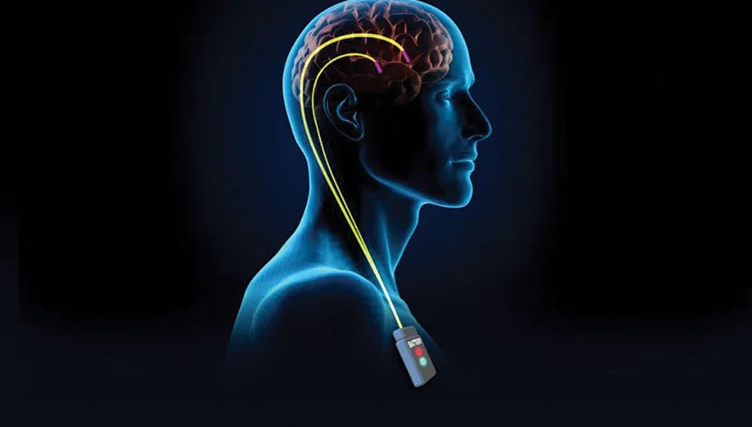
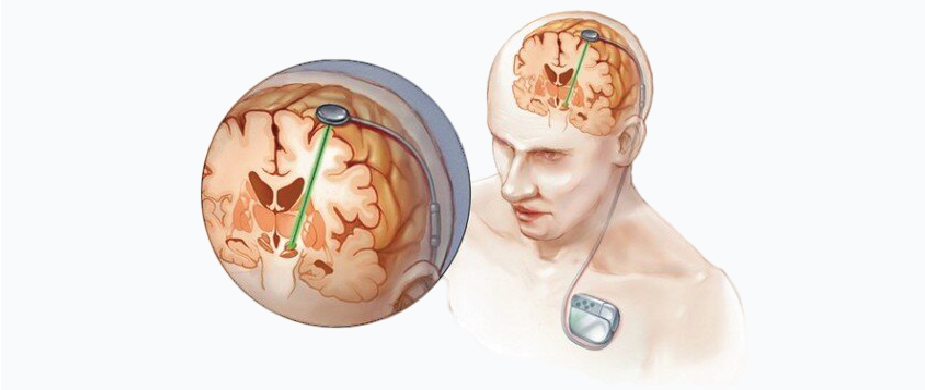
Deep Brain Stimulation is a neurosurgical procedure that delivers controlled electrical impulses to specific areas of the brain responsible for movement. A thin electrode is implanted into the target region—typically the subthalamic nucleus (STN) or globus pallidus internus (GPi)—and connected to a small pulse generator placed under the skin near the collarbone. The device functions similarly to a cardiac pacemaker, continuously modulating abnormal neural signals that cause tremor, rigidity, and involuntary movements.
The surgery is usually performed in two stages. During the first stage, the patient remains awake while surgeons implant the electrode. Real-time feedback from the patient, combined with Microelectrode Recording (MER), allows the surgical team to map neural activity with sub-millimetre precision and confirm optimal placement. In the second stage, performed under general anaesthesia, the pulse generator is implanted and connected to the electrode through a wire routed under the skin.
After surgery, the device is activated and calibrated across several programming sessions to achieve the best symptom control. Many centres in Turkey also offer remote programming for international patients who have returned home. If you are comparing surgical and non-surgical approaches for movement disorders, our guide on choosing between DBS, focused ultrasound, and rehabilitation for Parkinson’s explains the key differences.
Which Conditions Can Be Treated with Deep Brain Stimulation?
DBS is approved for a defined set of chronic neurological conditions that have not responded adequately to medication. The most common indications include:
- Parkinson’s Disease: The primary indication for DBS worldwide. Patients with motor fluctuations, medication-resistant tremor, or severe dyskinesias are the strongest candidates. Turkish centres report up to 80% improvement in motor symptoms during “on” states, with Levodopa intake reduced by 50–60% on average following surgery.
- Essential Tremor: Patients who experience disabling hand or arm tremor that interferes with daily tasks—writing, eating, holding objects—often achieve symptom control rates of 85–90% after DBS targeting the ventral intermediate nucleus (VIM).
- Dystonia: Both primary generalised dystonia and cervical dystonia respond to GPi-targeted DBS. Improvements of 65–75% have been documented using the Burke-Fahn-Marsden Dystonia Rating Scale (BFMDRS), with symptom control progressing gradually over 3–6 months.
- Epilepsy: For patients with drug-resistant focal epilepsy who are not candidates for resective surgery, DBS of the anterior nucleus of the thalamus (ANT) can reduce seizure frequency by 40–70%.
- Obsessive-Compulsive Disorder (OCD): DBS is used for severe, treatment-resistant OCD when medication and psychotherapy have failed. Y-BOCS scores drop by approximately 45%, with around 60% of patients responding to stimulation.
Who Qualifies for DBS Surgery?
Not every patient with a movement disorder is a suitable candidate. DBS works best for individuals whose underlying condition has been confirmed, whose symptoms clearly respond to medication but are no longer adequately controlled by it, and who are cognitively and emotionally stable enough to participate in the surgical and programming process.
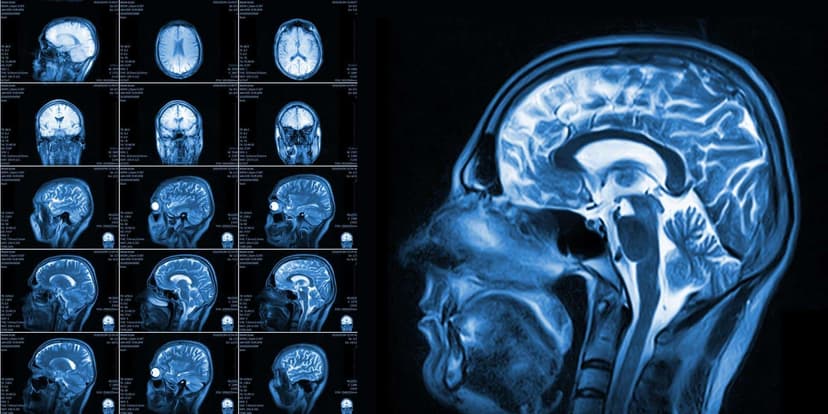
The evaluation typically includes high-resolution brain MRI, neuropsychological testing, and detailed motor assessments conducted both on and off medication. In Turkey, this screening is carried out by a multidisciplinary team that includes neurologists, neurosurgeons, and psychiatrists. Patients with advanced dementia, active psychosis, or medical conditions that increase surgical risk are generally not recommended for the procedure.
What Happens During DBS Surgery in Turkey?
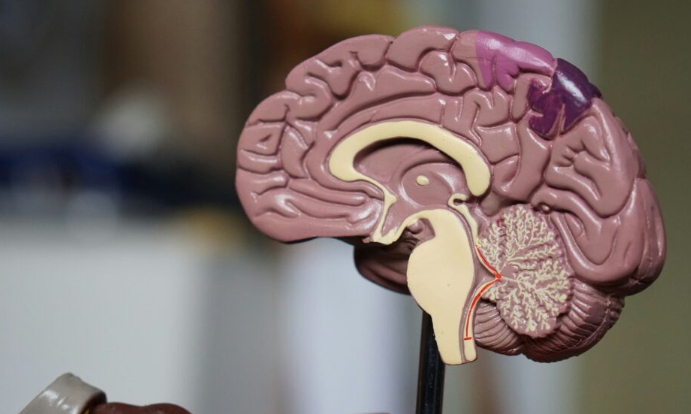
The procedure is carried out across two stages, usually on consecutive days:
Stage 1 – Electrode Placement (Awake Surgery): The patient’s head is fixed in a stereotactic frame, and a small opening is made in the skull. Using MER-guided mapping and intraoperative imaging, the surgeon advances the electrode to the target. The patient is kept awake to provide real-time feedback—responding to commands and describing sensations—which helps the team verify that the electrode is positioned correctly.
Stage 2 – Pulse Generator Implantation: Under general anaesthesia, the neurostimulator device is placed in a small pocket beneath the collarbone. A thin extension wire is tunnelled under the skin from the head to the chest, connecting the electrode to the generator.
In experienced Turkish centres, the entire surgical process involves intraoperative MRI and stereotactic navigation for millimetre-level accuracy. Infection rates at leading hospitals remain under 2%, and symptomatic intracranial bleeding occurs in only 0.5–1.2% of cases—comparable to the best centres in North America and Europe.
How Much Does Deep Brain Stimulation Cost in Turkey?
The cost of DBS surgery in Turkey ranges from $20,000 to $35,000 for a complete bilateral procedure. This typically includes pre-operative diagnostics, the surgery itself, the neurostimulator device (Medtronic or Boston Scientific), anaesthesia, hospitalisation, and early post-operative care. Some complex cases or premium device options (rechargeable generators) can push costs toward $50,000–$70,000.
The following table shows the cost of DBS comparison by country:
|
Country |
Typical DBS Cost (USD) |
Savings vs. US |
|
United States |
$70,000 – $100,000+ |
— |
|
United Kingdom |
$50,000 – $70,000 |
~30% |
|
Germany |
$40,000 – $60,000 |
~40% |
|
Turkey |
$20,000 – $35,000 |
60–75% |
The DBS price in Turkey reflects the country’s lower operating costs and competitive healthcare market—not a compromise in quality. Hospitals use the same FDA-approved devices, follow identical surgical protocols, and employ surgeons with international training credentials. Patients who pay out of pocket save significantly without sacrificing safety or outcomes.
How Long Do You Stay in Turkey for DBS?
Most patients should plan for a 5–7 day stay in Istanbul for DBS surgery. A typical timeline looks like this:
- Day 1: Arrival, initial consultation, pre-operative diagnostics (MRI, blood work, neurological assessment).
- Day 2: Stage 1 surgery – electrode implantation under awake conditions.
- Day 3: Stage 2 surgery – pulse generator placement under general anaesthesia.
- Days 4–6: Hospital recovery, wound care, initial device programming, and observation.
- Day 7: Discharge consultation and travel clearance.
Some patients choose to extend their stay for additional programming sessions. For those who prefer to return home sooner, most Turkish DBS centres offer remote device programming via telemedicine, allowing adjustments to be made without a return visit.
What Results Should You Expect from DBS?
DBS does not cure the underlying condition, but it delivers measurable, long-lasting symptom control that significantly improves quality of life. Here is what clinical data shows for each condition:
- Parkinson’s Disease: Resting tremors decrease by 75–80%. Motor scores (UPDRS-III) improve by approximately 53% in the off-medication state. Medication use drops by 50–60%, and dyskinesias improve by up to 83%. These outcomes are supported by the landmark EARLYSTIM trial published in the New England Journal of Medicine.
- Essential Tremor: DBS suppresses tremor by 80–90%, particularly in the contralateral limbs. Patients regain the ability to write, eat, and hold objects without assistance.
- Dystonia: Motor function improves by 70–80% within three years based on BFMDRS scores. For cervical dystonia specifically, TWSTRS scores improve by 55–60%.
- OCD: Y-BOCS scores drop by approximately 45%, with about 60% of treatment-resistant patients responding to stimulation, according to meta-analyses published in Molecular Psychiatry.
- Long-Term Durability: Multiple Turkish centres report clinical stability lasting 5–10 years, especially in Parkinson’s and tremor patients. Battery replacement (every 3–5 years for non-rechargeable, 9–15 years for rechargeable) is the main long-term maintenance requirement.
What Are the Risks and How Are They Managed?
DBS is generally safe when performed by experienced teams, but like any brain surgery, it carries risks. These include infection at the surgical site, intracranial bleeding, hardware malfunction, and temporary changes in mood or speech. The vast majority of complications are manageable and do not result in permanent harm.
In Turkey’s leading DBS centres, complication rates are on par with international benchmarks. Post-surgical infection rates range between 1.5% and 2.5%. Mechanical failure occurs in roughly 1% of cases, and lead fracture rates remain well below global averages. Centres that use MER-based targeting report significantly fewer complications compared to those relying solely on MRI-guided placement.
Recovery Timeline After DBS Surgery
Recovery from DBS is relatively fast. Most patients are able to walk within 24 hours of each surgical stage and resume light daily activities within a few days. Full recovery, including suture healing and adaptation to the device, takes approximately 3–4 weeks.
Initial device programming begins during the hospital stay. Optimal settings are reached over 3–5 follow-up sessions, which may be conducted in person or remotely. Published data from Hacettepe University and Istanbul University show that UPDRS-III motor scores improve by over 50% in Parkinson’s patients in off-medication states, with daily Levodopa use dropping by 56%.
Best Hospitals for DBS Surgery in Turkey
Turkey’s DBS landscape is centred in Istanbul, where several hospitals have built dedicated functional neurosurgery departments with high case volumes and multidisciplinary teams. Below are the top hospitals for DBS in Turkey, each with specific strengths:
Medipol Mega University Hospital
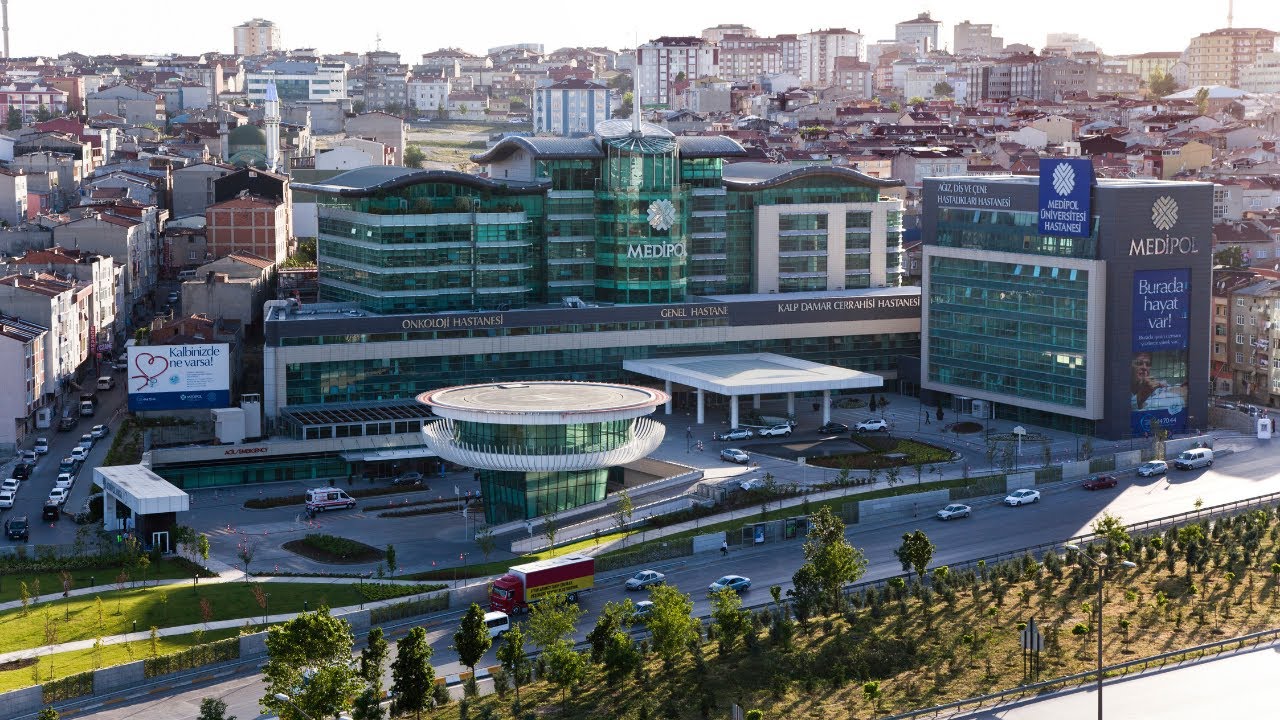
Medipol is home to PARMER (Parkinson’s and Movement Disorders Centre), one of the most specialised DBS units in the country. Led by Assoc. Prof. Dr. Ali Zirh, this centre has performed more DBS surgeries than almost any other single-surgeon programme in Europe. The hospital is JCI-accredited, equipped with intraoperative MRI, and offers a fully integrated movement disorder clinic with neurology, neurosurgery, and rehabilitation under one roof. PARMER also serves as a training hub for neurosurgeons from across the region.
Liv Hospital
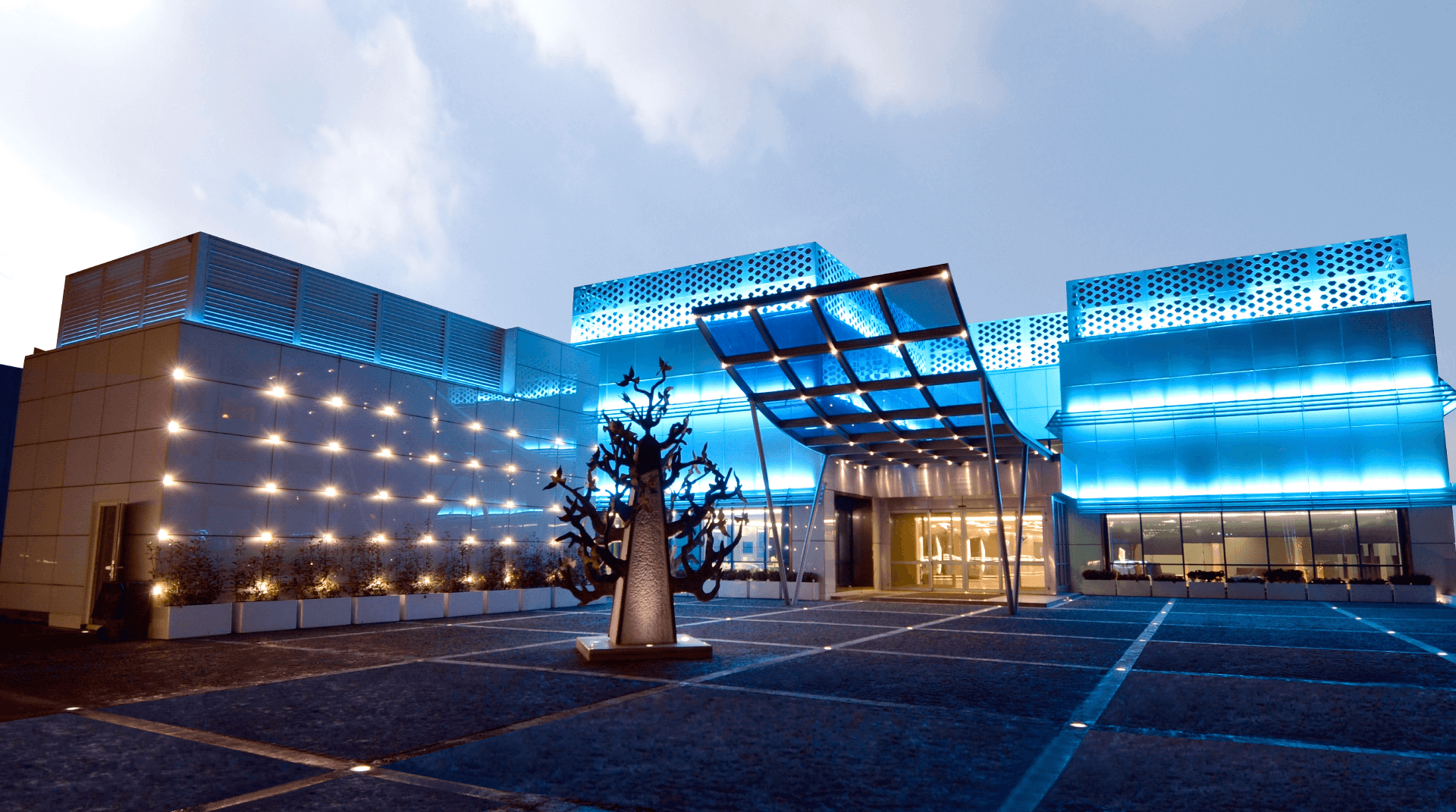
Liv Hospital’s neurosurgery department operates with a focus on minimally invasive brain surgery and stereotactic procedures. The hospital uses advanced neuronavigation systems and has a strong international patient programme with multilingual coordinators. Liv is known for its patient-centred care model and high standards in post-operative follow-up.
Acıbadem Healthcare Group
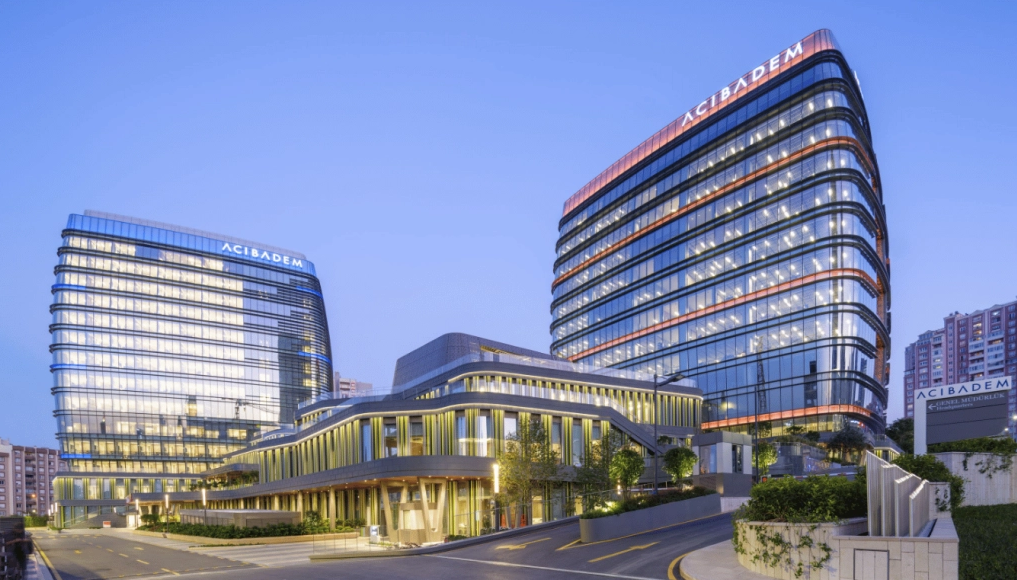
Acıbadem is Turkey’s largest private hospital chain with JCI accreditation across multiple campuses. Its neuroscience centres offer DBS alongside a full spectrum of neurological services, including Gamma Knife radiosurgery and neurorehabilitation. Acıbadem’s high institutional volume and standardised protocols make it a reliable option for complex neurosurgical cases.
Florence Nightingale Hospitals
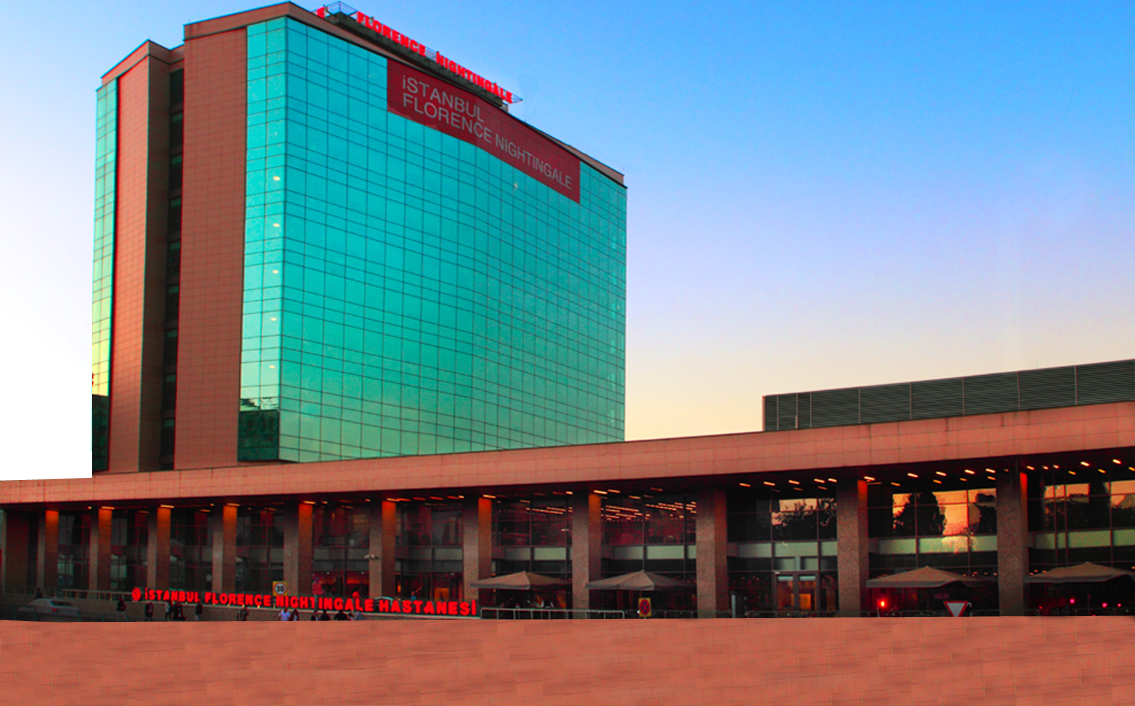
Florence Nightingale has a long-established neurosurgery department with experience in DBS and other functional brain procedures. The hospital group operates in Istanbul’s European and Asian sides, offering convenient access for international patients. Its integrated ICU support and neurological rehabilitation services ensure continuity from surgery through recovery.
American Hospital (Amerikan Hastanesi)
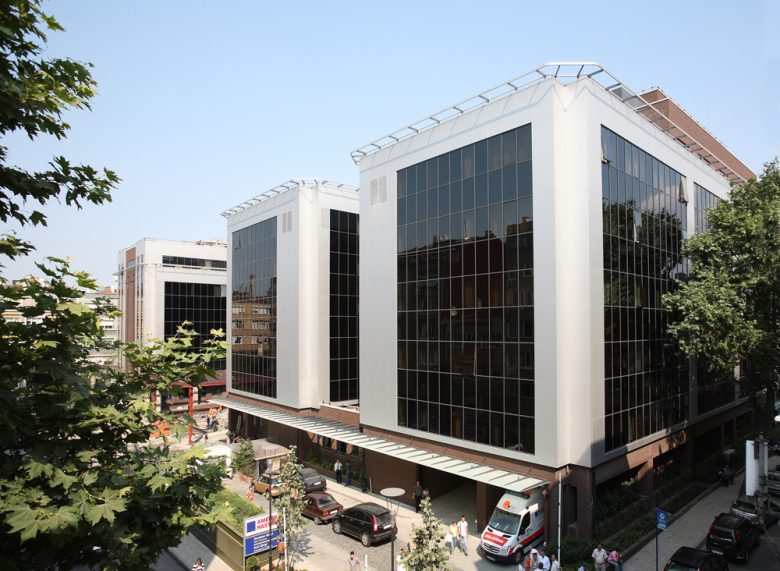
One of Istanbul’s oldest and most prestigious private hospitals, American Hospital is affiliated with Johns Hopkins Medicine International. Its neurosurgery department benefits from this academic partnership, offering evidence-based protocols and access to a network of globally trained specialists.
Medicana Health Group

Medicana operates across several campuses in Istanbul and has a growing neurosurgery practice. The group is known for competitive pricing and strong multilingual patient coordination, making it a practical choice for patients from the Middle East and Central Asia seeking affordable DBS options in Turkey.
Who Is the Most Experienced DBS Surgeon in Turkey?
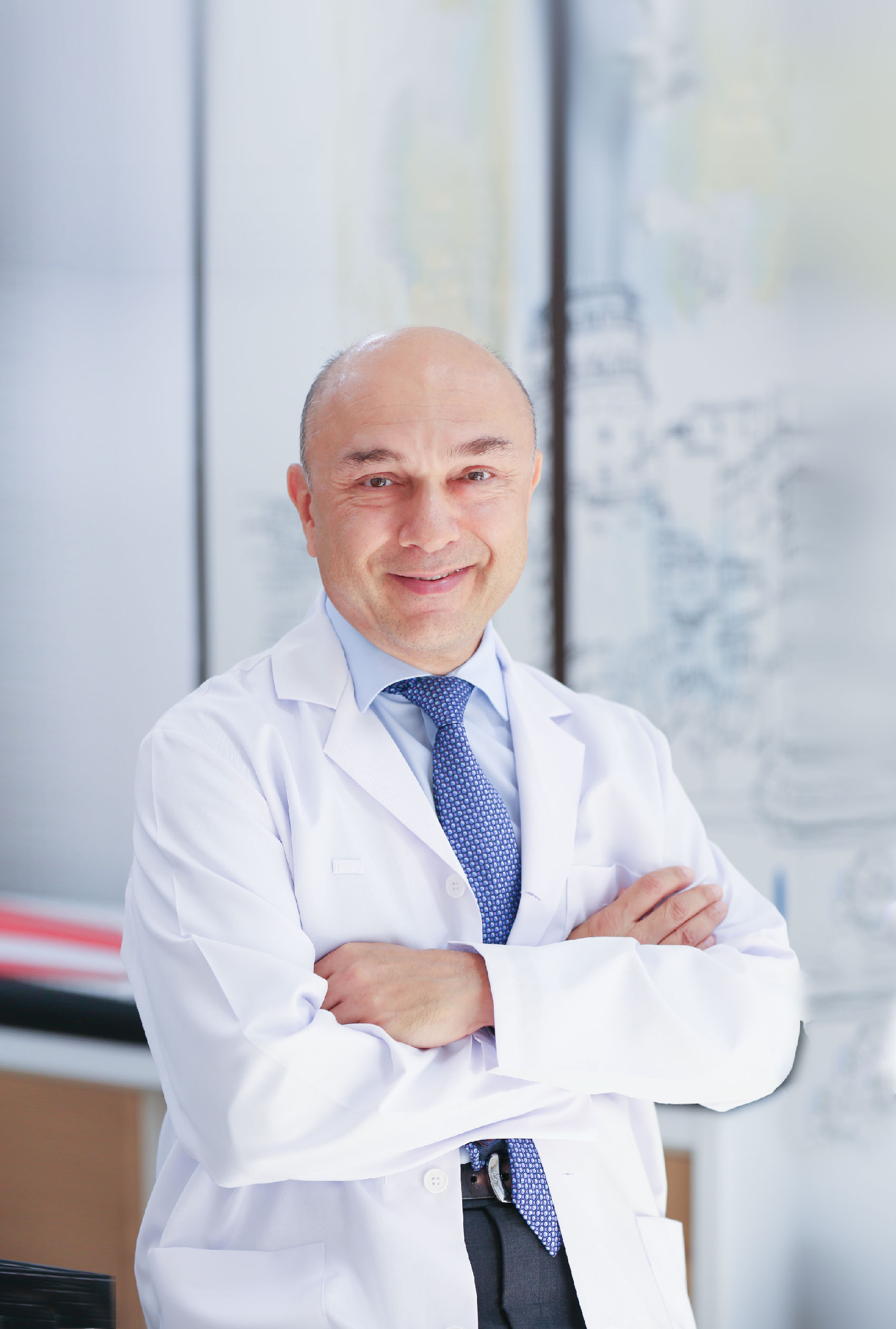
Assoc. Prof. Dr. Ali Zirh is widely recognised as Turkey’s leading DBS surgeon and one of the most experienced in Europe. He has performed over 1,450 DBS surgeries and more than 2,000 functional neurosurgery cases to date. Dr. Zirh trained at internationally renowned centres including Johns Hopkins (USA), Toronto Western Hospital (Canada), and institutions in the UK, Germany, Spain, and Israel.
His clinical record includes:
Over 1,450 DBS surgeries – the highest known case volume by a single surgeon in Turkey. A Guinness World Record for organising the largest DBS patient gathering, with 329 of his own patients in attendance. He is a recognised expert in MER-based awake brain surgery, using sub-millimetre neural mapping during live procedures. He received the Elekta International Award, one of the most prestigious global honours in functional neurosurgery. He directs PARMER (Parkinson’s and Movement Disorders Centre) at Medipol University Hospital, where he trains visiting neurosurgeons. He is the author of “Dokunulmuş Hayatlar”, a book sharing patient stories and treatment insights.
Through A-Medical, you can arrange a direct online consultation with Dr. Ali Zirh to evaluate your condition and explore whether DBS is the right step for you.
Is Turkey a Good Destination for Neurosurgery?
Turkey ranks among the top five countries in Europe by DBS procedure volume. The country’s neurosurgery infrastructure is built on a combination of high-volume private hospitals with JCI accreditation, university-affiliated surgical teams with international training, and a healthcare system that has actively invested in medical tourism for over a decade. For a broader view of neurosurgery in Turkey, including other procedures and specialists, you can review our detailed overview of top neurosurgery clinics and surgeons in Turkey.
Wait times in Turkey are measured in days, not months. A patient can go from initial consultation to surgery within a week—something that is virtually impossible in most public healthcare systems in Europe or Canada. The surgical outcomes, complication rates, and long-term follow-up data from leading Turkish centres are directly comparable to those reported by top institutions in the US, Germany, and France.
How A-Medical Helps You Access DBS Surgery in Turkey
Arranging brain surgery abroad involves more than choosing a hospital. It requires navigating medical records, coordinating with surgical teams, managing travel logistics, and ensuring continuity of care before and after the procedure. That is exactly what A-Medical handles.
Here is how the process works:
- Step 1 – Medical Review: You share your medical history, imaging, and current treatment plan. Our clinical team assesses your suitability for DBS and identifies the most appropriate surgeon and hospital for your specific condition.
- Step 2 – Surgeon Matching & Consultation: We connect you directly with your surgeon for a pre-operative online consultation. This is not a generic inquiry—it is a medical evaluation with the specialist who will perform your surgery.
- Step 3 – Scheduling & Logistics: We coordinate your surgery date, hospital admission, accommodation near the hospital, airport transfers, and interpreter services. Everything is arranged before you arrive in Istanbul.
- Step 4 – On-the-Ground Support: From the moment you land, you have a dedicated coordinator handling transportation, hospital visits, and communication with your medical team. You are never left to navigate the system alone.
- Step 5 – Post-Operative Follow-Up: After discharge, A-Medical remains your point of contact for device programming, recovery questions, and coordination with your neurologist back home.
- One critical thing to understand: A-Medical does not charge you for its services. You pay the hospital directly for your treatment—nothing more, nothing less. Our model is fully transparent, and there are no hidden fees or markups on your medical bill.
Many patients who contact Turkish hospitals independently face long response times, unanswered emails, or difficulty getting clear pricing. Because A-Medical works directly with these hospitals and surgical teams, we secure faster responses, confirmed pricing, and priority scheduling. If you are also exploring Parkinson’s treatment options beyond Turkey, our guide to the best countries and treatment centres for Parkinson’s disease provides a broader comparison.
Frequently Asked Questions About DBS in Turkey
How much does deep brain stimulation cost in Turkey?
A complete bilateral DBS procedure in Turkey typically costs between $20,000 and $35,000. This includes pre-operative evaluation, surgery, the neurostimulator device, hospitalisation, and initial programming. Premium or rechargeable devices may push costs higher.
Is Turkey a good country for neurosurgery?
Yes. Turkey performs 500–1,000 DBS procedures annually and ranks among Europe’s top five by volume. Hospitals are JCI-accredited, and leading surgeons hold board certifications from European and American neurosurgical societies.
How expensive is deep brain stimulation?
Globally, DBS ranges from $20,000 in Turkey to over $100,000 in the United States. The cost depends on the country, device type, hospital, and whether the procedure is unilateral or bilateral. Turkey offers the strongest value for out-of-pocket patients.
Who is the best neurosurgeon in Turkey for DBS?
Assoc. Prof. Dr. Ali Zirh at Medipol University Hospital is Turkey’s most experienced DBS surgeon, with over 1,450 procedures performed. He holds a Guinness World Record and is a recipient of the Elekta International Award.
Is DBS surgery safe?
DBS is considered a safe procedure when performed by experienced teams. Major complications such as infection or bleeding occur in fewer than 2–3% of cases at leading Turkish hospitals. The procedure is reversible—the device can be turned off or removed if needed.
What conditions does DBS treat?
DBS is primarily used for Parkinson’s disease, essential tremor, and dystonia. It is also approved for drug-resistant epilepsy and severe OCD. Each condition has specific eligibility criteria that are assessed during the pre-operative evaluation.
How long does DBS surgery take?
The electrode placement stage takes approximately 4–6 hours (awake surgery). The pulse generator implantation stage takes about 1–2 hours under general anaesthesia. Both stages are usually completed on consecutive days.
Will I be awake during DBS surgery?
Yes, during the electrode placement stage. Being awake allows the surgical team to test brain responses in real time and confirm accurate electrode positioning. You will not feel pain—the brain itself has no pain receptors—and local anaesthesia is used for the scalp incision.
How long do DBS results last?
Clinical studies from Turkish and international centres show stable symptom control for 5–10 years following surgery. The stimulator battery typically lasts 3–5 years (non-rechargeable) or 9–15 years (rechargeable). Battery replacement is a minor outpatient procedure.
Can I get DBS for tremor that is not Parkinson’s?
Yes. Essential tremor is the second most common indication for DBS. Patients with disabling hand or arm tremor that does not respond to medication often achieve 80–90% symptom reduction following DBS of the VIM nucleus.
Do I need to stay in Turkey for follow-up programming?
Not necessarily. Initial programming is done during your hospital stay, but subsequent adjustments can be handled through remote programming sessions. Most Turkish DBS centres now offer telemedicine-based device calibration for international patients.
What is the success rate of DBS in Turkey?
Success rates vary by condition: approximately 75–80% tremor reduction in Parkinson’s, 85–90% in essential tremor, and 65–75% motor improvement in dystonia. These figures are consistent with outcomes reported at leading centres in the US and Europe.
Does A-Medical charge patients for its services?
No. A-Medical does not add any fees to your treatment cost. You pay the hospital directly. Our service—including medical review, surgeon matching, logistics coordination, and post-operative support—is provided at no additional cost to you.
How quickly can I get a DBS surgery date in Turkey?
In most cases, surgery can be scheduled within 1–2 weeks of completing the pre-operative evaluation. This is significantly faster than wait times in the UK, Canada, or many EU countries, where patients may wait 6–12 months or longer.
What should I bring to my DBS consultation?
Bring your most recent brain MRI (ideally within the last 6 months), a list of current medications and dosages, a summary of your symptom history, and any previous neurological evaluations. A-Medical’s team will guide you on exactly what is needed during the intake process.