Contents
Bone marrow transplant Turkey is a critical search for patients dealing with life-threatening diagnoses like acute myeloid leukemia (AML), non-Hodgkin lymphoma, or aplastic anemia. Beyond the medical condition, the stress of long waiting lists and donor search delays in Western countries often makes time the greatest enemy.
Turkey performs approximately 3,300 to 3,500 bone marrow transplants every year, placing the country among the top transplant destinations in Europe by procedure volume. This high case load reflects deep clinical experience, faster decision-making, and well-established transplant protocols. Depending on the disease and transplant type, success rates typically range from 80% to over 90%, comparable to leading European centers. Patients increasingly choose Turkey for transparent pricing, rapid access to treatment, internationally trained specialists, and modern hospitals designed for complex transplant care.
If time matters and uncertainty feels overwhelming, this guide helps you understand whether bone marrow transplantation in Turkey is the right option for you.
Clinical outcome data from individual transplant centers further strengthens this picture. For example, published center-level results from Medical Park Antalya Hospital reported a 100-day overall survival rate of 100 percent in pediatric bone marrow transplants in 2021. Such time-bound, disease-specific outcomes provide patients evaluating bone marrow transplant Turkey options with measurable clinical benchmarks, rather than relying solely on generalized success rate ranges.
What Is Bone Marrow Transplantation (BMT)?
A bone marrow transplant is a medical procedure used to replace bone marrow that is not working properly with healthy stem cells.
The procedure typically involves destroying the damaged marrow using conditioning treatments, which may include chemotherapy, radiation, or other immunosuppressive therapies, followed by the infusion of healthy stem cells. These cells help rebuild the patient’s blood and immune system.
Bone marrow transplantation in Turkey follows international medical standards. Hospitals apply approved protocols and support patients through every step, from diagnosis to recovery.
Types of Bone Marrow Transplants (Autologous vs Allogeneic)
In an autologous bone marrow transplant, stem cells are collected from the patient and reintroduced after treatment. This method is commonly used in patients with cancers like multiple myeloma and lymphoma.
In an allogeneic bone marrow transplant, stem cells come from a donor. This is the preferred approach when the patient’s own bone marrow is damaged or completely affected by disease, as seen in leukemia, sickle cell anemia, and aplastic anemia.
Hospitals in Turkey also perform transplants using partially matched donors and umbilical cord blood. This increases the chances of finding a suitable donor for more patients.
Understanding the Clinical Approach in Turkey
Bone marrow transplantation in Turkey is not limited to standard conditioning regimens. Modern transplant programs explicitly incorporate T-cell depletion strategies to control immune-mediated complications. T-cell depletion involves the selective removal or functional suppression of donor T lymphocytes that trigger Graft-versus-Host Disease, while preserving stem cell engraftment and graft-versus-leukemia effect. This immunological graft engineering approach is a core component of GVHD risk reduction in contemporary leukemia transplantation.
In cases where a fully matched donor is unavailable, haploidentical transplant protocols combined with T-cell depletion are routinely applied. These protocols rely on controlled immune reconstitution using in vivo methods such as post-transplant cyclophosphamide or selective T-cell modulation. Within bone marrow transplantation in Turkey, this approach significantly expands donor availability for leukemia patients while maintaining acceptable GVHD rates, stable engraftment, and survival outcomes comparable to matched donor transplants.
Why Choose Turkey for Bone Marrow Transplants?

Here are the advantages of bone marrow transplant in Turkey:
- Access to national and international donor registries
- Short waiting times for transplant scheduling
- Internationally trained doctors and JCI-accredited hospitals
- Multilingual coordination units for foreign patients
- Integrated follow-up and care continuity systems
These points reflect why Turkey is a practical and reliable choice for patients seeking treatment abroad.
Would you like us to get a free second opinion from Turkey's top hematologists for your specific case? Send us your latest blood reports, and we will provide a preliminary evaluation within 48 hours.
Bone Marrow Transplant Cost in Turkey
Bone marrow transplant cost in Turkey ranges from $20,500 to $66,000 in 2026, depending on the transplant type and hospital. An autologous bone marrow transplant typically costs $20,500 to $45,500, while an allogeneic transplant ranges between $80,000 and $120,000 due to donor-related complexity and longer follow-up care.
In comparison, bone marrow transplant costs in the United States often exceed $300,000, making Turkey a significantly more accessible option without compromising medical standards. Transparent pricing, bundled treatment packages, and lower ancillary costs explain the difference rather than reduced clinical quality. We help patients confirm exact costs before treatment, understand what each package includes, and avoid unexpected expenses through coordinated planning.
Best Bone Marrow Transplant Clinics in Turkey

As A-Medical, we cooperate with the hospitals that have the highest success rate in bone marrow transplantation among Turkish hospitals. For bone marrow transplantation, you can apply to hospitals in Istanbul, Ankara, Antalya and Adana in Turkey.
The following are the Turkish hospitals where you can apply for a bone marrow transplant:
- Acibadem Hospital
- Medical Park Hospital
- Gaziosmanpaşa Hospital
- Anadolu Medical Center
- Florence Nightingale
Best Bone Marrow Transplant Doctors in Turkey
Prof. Dr. Gülyüz Öztürk - Acibadem Altunizade, Istanbul
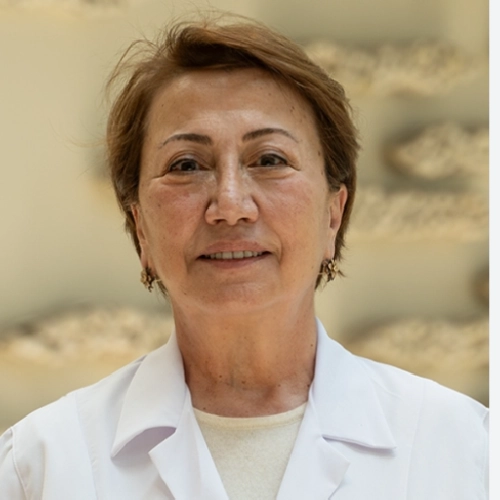
Prof. Dr. Gülyüz Öztürk is a renowned pediatric hematologist and oncologist currently serving at the Acıbadem Altunizade Hospital Bone Marrow Transplant Center in Istanbul. She graduated from Ankara University Faculty of Medicine in 1980 and completed her specialization in Pediatrics at Hacettepe University Faculty of Medicine in 1987. In 1992, she earned a subspecialty degree in Pediatric Hematology and Oncology from the same institution. Since joining Acıbadem Health Group in 2014, she has become one of the leading names in pediatric bone marrow transplantation in Turkey.
She is particularly distinguished for her exceptional record in child bone marrow transplants, where no patient deaths have been reported in any of her procedures. Her dedication to precision, safety, and compassionate patient care makes her one of the most trusted specialists for families seeking bone marrow transplantation for children.
Prof. Dr. Ali Bulent Antmen - Acibadem, Adana
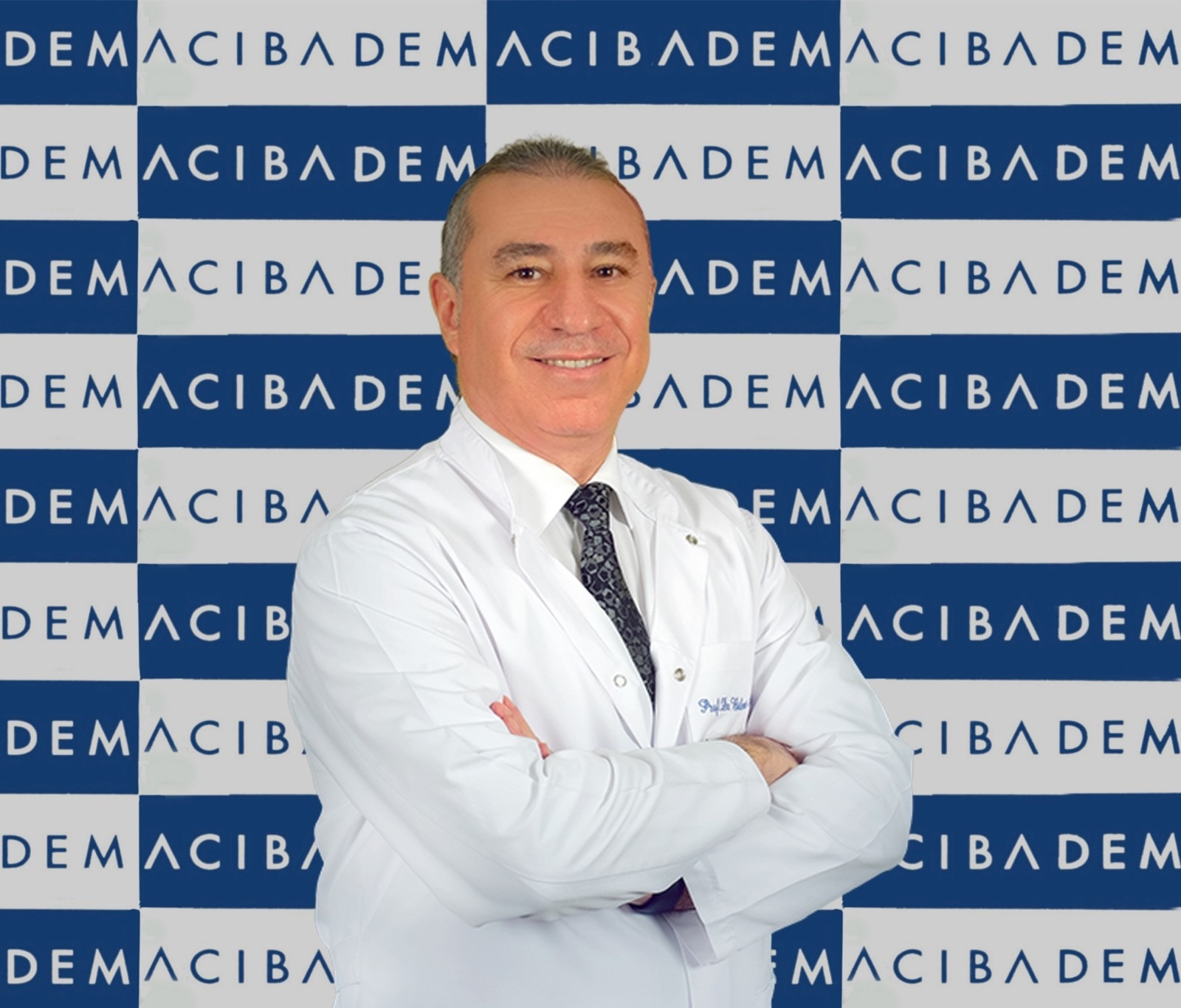
Dr. Antmen has over 20 years of experience in performing transplants and managing post-transplant complications. He is active in both pediatric and adult hematology.
Prof. Dr. Akif Yesilpek - Medical Park, Antalya

Pediatric hematologist Prof. Dr. Akif Yesilpek working at the Medical Park hospital located in Antalya, Turkey. Akif Yeşilpek performed bone marrow transplantation of hundreds of people worldwide.
Prof. Dr. Barış Malbora & Oncohematologist Dr. Hasan Sami Göksoy - Gaziosmanpaşa Hospital
Pediatric hematologist Prof. Dr. Barış Malbora and Oncohematologist Dr. Hasan Sami Göksoy is an experienced doctor dealing with bone marrow transplantation at Gaziosmanpaşa hospital.
Prof. Dr. Zafer Gülbaş - Anadolu John Hopkins, Istanbul
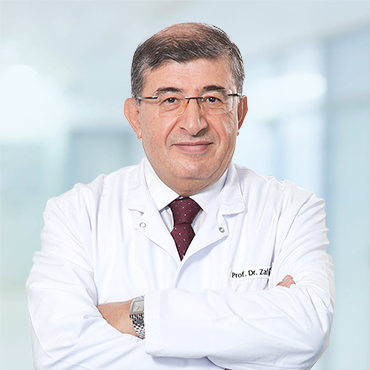
Prof. Dr. Zafer Gülbaş is a highly respected oncohematologist at Anadolu John Hopkins Hospital in Istanbul, known for his exceptional expertise in bone marrow transplantation and hematologic oncology. With extensive international experience and a career dedicated to advancing cancer and stem cell treatments, he is regarded as one of Turkey’s foremost specialists in his field. Prof. Dr. Gülbaş has led numerous successful transplant procedures, contributing to significant improvements in patient outcomes and survival rates. His commitment to evidence-based medicine, innovative treatment methods, and compassionate patient care has made him a trusted name in both national and international medical communities.
Prof. Dr. Mutlu Arat - Florence Nightingale, Istanbul
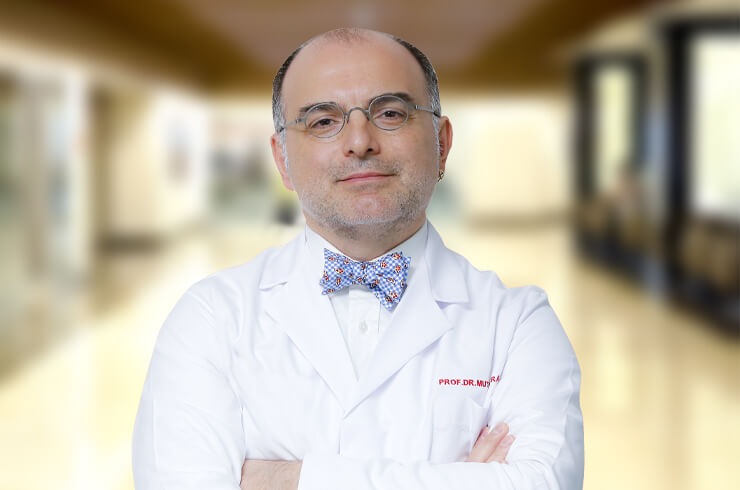
Prof. Dr. Mutlu Arat is a distinguished hematologist at Florence Nightingale Hospital, widely recognized for his expertise in bone marrow transplantation in Turkey. With decades of experience and an outstanding record of successful transplants, he is regarded as one of the country’s leading specialists in hematology and stem cell therapy. Prof. Dr. Arat’s patient-centered approach, combined with his deep clinical knowledge and precision in complex transplant cases, has earned him a strong reputation both nationally and internationally. Patients treated under his care benefit from advanced medical techniques, personalized treatment planning, and high post-transplant survival rates that reflect global best practices.
Bone Marrow Transplant Success Rates in Turkey
Success depends on the patient’s condition, donor match, and hospital protocol. The bone marrow transplant survival rate Turkey is similar to rates in European countries.
- For matched sibling donors: 70% to 90% success
- For unrelated or partial donors: 30% to 60% success
Hospitals apply advanced HLA typing, post-transplant monitoring, and immune system management to improve outcomes.
The Patient Journey: A Clinically Accurate Guide to Bone Marrow Transplant in Turkey
Initial Medical Contact and Eligibility Assessment (Week 0)
The patient contacts A-Medical and submits complete medical documentation, including diagnosis, prior treatments, pathology reports, and laboratory results. An online consultation is arranged with a transplant hematologist. The physician evaluates whether a bone marrow transplant in Turkey is medically indicated, determines urgency, donor options, and overall risk profile. Patients are clearly informed that this treatment is a high-risk, life-threatening oncological procedure, and eligibility is not guaranteed.
Hospital Approval and Definitive Treatment Planning (Pre-Arrival Phase)
After medical acceptance, the transplant center confirms the treatment plan, conditioning protocol, donor coordination, and estimated inpatient duration. Patients receive explicit information that hospitalization for a bone marrow transplant in Turkey commonly lasts six to eight weeks and may extend further due to infections, graft failure, or organ toxicity. Travel timing is determined strictly by clinical readiness and donor availability, not by personal preference or convenience.
Arrival in Turkey and Intensive Clinical Preparation (Days 1-7 to 10)
Upon arrival, the patient is admitted directly to the hospital. Comprehensive reassessment begins, including infectious disease screening, organ function evaluation, imaging, and final donor verification. Conditioning therapy with high-dose chemotherapy, with or without radiotherapy, is initiated. At this stage of the bone marrow transplant in Turkey process, patients are warned about profound immunosuppression, bleeding risk, mucositis, and expected physical decline before recovery can begin.
Transplant Day: Stem Cell Infusion (Day 0)
Stem cells are infused intravenously. Although the procedure is not surgical, it represents the complete ablation and reconstruction of the immune system. From this day forward, the patient is functionally immunocompromised and faces significant risks, including sepsis, viral reactivation, invasive fungal infections, and acute graft-versus-host disease. This phase marks the most critical turning point of a bone marrow transplant in Turkey.
Engraftment and Protected Inpatient Recovery (Weeks 3-4 and Beyond)
The patient remains in a strictly isolated and sterile hospital unit. Daily blood counts, transfusions, antimicrobial prophylaxis, and emergency interventions are standard. Complications such as severe infections, hemorrhage, organ dysfunction, or delayed engraftment are actively managed. Discharge is considered only after objective hematologic recovery and clinical stabilization.
Post-Discharge Local Monitoring Phase (Weeks 5-12)
After discharge, the patient continues frequent outpatient follow-ups. Immune recovery remains unstable during this period. Many patients are advised to stay locally to ensure rapid intervention in case of complications or readmission. Strict infection control measures and lifestyle restrictions apply.
Return Home and Long-Term Medical Coordination
International travel is approved only once the transplant team confirms that the patient has reached a clinically safe recovery stage. After returning home, ongoing coordination continues between the local physician and the transplant center. Long-term risks, including chronic graft-versus-host disease, relapse, and secondary infections, are discussed transparently as part of responsible outcome counseling.
How Is a Suitable Bone Marrow Donor Found for International Patients in Turkey?
Finding a compatible donor is the most critical step in bone marrow transplantation. Turkey provides international patients with access to the same global donor networks used in Europe and the United States, supported by fast coordination and high transplant expertise.
- Turkey’s national registry TÜRKÖK operates in full integration with WMDA, enabling access to tens of millions of donors worldwide, including databases such as DKMS.
- Turkey’s local donor pool offers a strong matching advantage for patients of Mediterranean, Middle Eastern, and Caucasian descent due to regional genetic similarity.
- Turkish transplant centers perform high-resolution HLA typing in-house, which accelerates donor screening and reduces waiting time.
- When a fully matched unrelated donor is not available, teams routinely proceed with haploidentical family donors or umbilical cord blood without delaying treatment.
How A-Medical Can Help? Your Dedicated Healthcare Partner
In a journey as critical as a bone marrow transplant, medical success is only half the story. At A-Medical, we act as your personal healthcare concierge, ensuring that the logistical and administrative burden is lifted so you can focus entirely on recovery.
Comprehensive Free Concierge Services
We bridge the gap between international patients and Turkey’s top-tier medical infrastructure with a seamless, end-to-end support system:
- Transparent Cost Management: We obtain customized treatment packages from leading hospitals, providing you with a clear, all-inclusive price report—no hidden fees, no surprises.
- VIP Airport & Local Transfers: From the moment you land, our private vehicles handle all your transportation between the airport, your hotel, and the hospital.
- 24/7 Multilingual Support: Language will never be a barrier. We provide professional medical translators who accompany you during doctor consultations and daily hospital routines.
- Logistics & Accommodation Planning: For the long-term recovery phase, we arrange stay options in high-standard, sterile environments close to the transplant center.
- Continuous Post-Transplant Care: Our support doesn't end at discharge. We coordinate your follow-up appointments and maintain a communication bridge between you and your Turkish medical team even after you return home.
Our Guarantee: A-Medical provides these coordination services at no extra cost to the patient. You pay your treatment fees directly to the JCI-accredited hospital, while we ensure your journey is managed with world-class efficiency.
Get Your Free Medical Evaluation Today
In the fight against leukemia or lymphoma, every day counts. Don't let waiting lists in Western countries dictate your health outcomes.
Your Next Steps:
- Submit Your Reports: Send us your latest blood tests and medical history.
- Expert Review (48 Hours): Receive a preliminary evaluation from Turkey’s leading hematologists.
- No-Obligation Consultation: Discuss your treatment plan, success chances, and exact costs with our team.
FAQ
Does timing matter more than hospital choice in bone marrow transplantation?
Yes. In many cases, the stage of the disease at the time of transplant has a greater impact on outcomes than the hospital itself. Patients who undergo transplantation during active disease progression or after multiple failed chemotherapy lines often experience lower engraftment success and higher complication rates, even in top-tier hospitals.
Why do success rates published by hospitals often look higher than real-world outcomes?
Hospital-reported success rates are usually based on selected patient groups, not all applicants. Many clinics exclude high-risk patients, advanced-stage cases, or those with severe comorbidities from their statistics, which inflates reported success percentages.
Which patients should NOT travel abroad for a bone marrow transplant?
Not every patient is a good candidate for international treatment. Patients with unstable organ function, active uncontrolled infections, or rapidly progressing disease may face higher risks when travel delays treatment initiation or limits emergency response access.
Is a higher transplant cost associated with better outcomes?
No. Higher cost does not automatically translate to better transplant results. Outcomes depend more on donor matching quality, conditioning protocol suitability, post-transplant infection control, and GVHD management than on hospital pricing or luxury infrastructure.
Why do some patients relapse after a technically successful transplant?
A technically successful transplant does not guarantee long-term disease control. Relapse risk increases if minimal residual disease is present before transplant, if immune reconstitution is delayed, or if post-transplant monitoring is insufficient.
Is donor type more important than donor availability speed?
Donor compatibility quality is more important than how fast a donor is found. A quickly available but poorly matched donor can significantly increase GVHD risk and long-term complications compared to a slightly delayed but better-matched donor.
Why do age limits for bone marrow transplantation differ between clinics?
Age limits are not universal because biological age matters more than chronological age. Some clinics accept older patients with strong organ function, while others apply strict age cutoffs due to protocol risk tolerance and ICU capacity.
What is the most common mistake patients make before deciding on a transplant abroad?
The most common mistake is choosing a clinic before confirming transplant eligibility and timing. Many patients contact hospitals too late in disease progression or without updated diagnostics, limiting treatment options regardless of clinic quality.
How can two patients receive the same transplant but experience completely different outcomes?
Individual immune response variability plays a major role in transplant outcomes. Genetic immune markers, prior treatment burden, infection history, and microbiome differences can significantly influence recovery, GVHD risk, and long-term remission.
Why are bone marrow transplant outcomes in Turkey often better than expected for international patients?
Turkey’s strength lies in case volume and donor access speed rather than technology alone. Turkish transplant centers perform a high number of bone marrow transplants every year, which improves physician decision-making, complication management, and donor coordination. This experience advantage often results in better real-world outcomes, especially for complex cases, compared to lower-volume centers in Western countries.
What do most patients misunderstand about bone marrow transplant costs in Turkey?
The biggest misconception is assuming the lowest price equals the best value. In Turkey, cost differences usually reflect donor complexity, ICU duration, and post-transplant monitoring intensity rather than hospital quality. Patients who compare packages instead of clinical scope often underestimate long-term care needs.