Contents
Bone Cancer Treatment in Turkey
Bone Cancer Treatment in Turkey has become one of the most searched options for patients who want advanced oncology care without paying Western European or American prices. A full treatment package, which usually combines surgery, chemotherapy, radiation therapy, and follow-up imaging, typically costs between $20,000 and $70,000 in Turkey, compared to $80,000 to $150,000 in the United States and $50,000 to $100,000 in the United Kingdom. The savings are real, but what makes Turkey stand out is the combination of affordable pricing, JCI-accredited oncology hospitals, internationally trained orthopedic oncologists, and multidisciplinary tumor boards that review every case before a single treatment decision is made.
At A-Medical, we coordinate the full journey for international patients travelling for bone cancer treatment. From matching you with the right orthopedic oncologist to arranging accommodation, airport transfers, and a personal interpreter, we remove the administrative burden so you can focus on recovery. No waiting lists, fast appointment scheduling, and transparent pricing are built into every treatment plan.
What Is Bone Cancer?
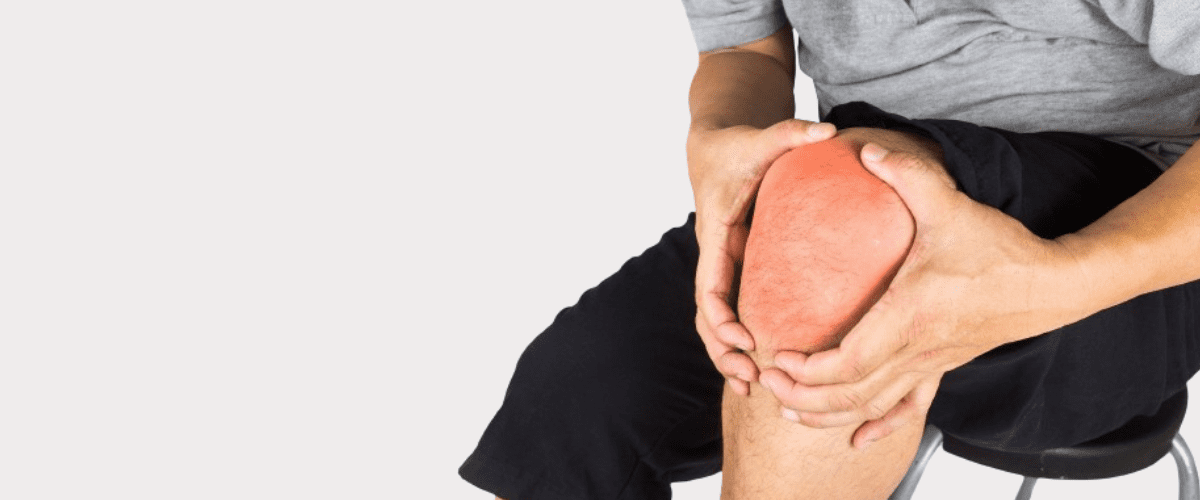
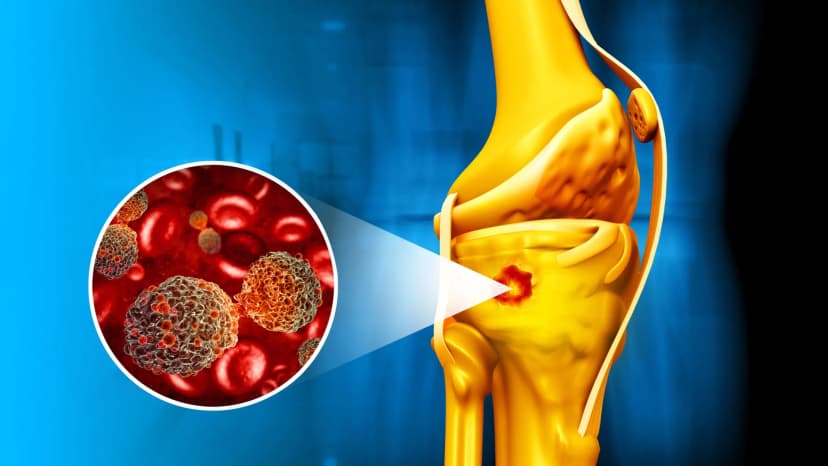
Bone cancer is a group of malignant tumors that originate in the skeletal system. Primary bone cancer begins directly in bone cells, cartilage, or the surrounding connective tissue. Secondary (metastatic) bone cancer starts elsewhere in the body, most often the breast, lung, prostate, kidney, or thyroid, and then spreads to bone. Primary bone tumors are rare and account for less than 1% of all cancers, while bone metastases are significantly more common.
Inside healthy bone, three cell types work together: osteoblasts build new bone, osteoclasts resorb old bone, and osteocytes maintain the structure. When any of these cells undergo uncontrolled division, a tumor forms. The pelvis, femur, tibia, humerus, and spine are the most commonly affected sites. Because bones support the whole body, even small tumors can cause pain, fractures, and mobility loss, which is why timely diagnosis and treatment are critical.
Symptoms of Bone Cancer
Bone cancer symptoms often develop gradually and can be mistaken for sports injuries, arthritis, or growing pains in children. The most common signs reported to oncologists in Turkish hospitals include:
- Persistent bone pain that worsens at night or during rest rather than with activity
- Visible swelling, tenderness, or a hard lump over the affected bone
- Pathologic fractures caused by minimal trauma (a bone breaks from a small fall)
- Restricted joint movement or a limp when the tumor is near a joint
- Unexplained weight loss, fatigue, and low-grade fever
- Numbness, tingling, or weakness if the tumor presses on nerves
- Anemia or frequent infections when bone marrow is involved
Causes and Risk Factors of Bone Cancer
The exact cause of most primary bone cancers is unknown, but researchers have identified several genetic and environmental factors that increase risk. Understanding these risk factors helps with early screening and informed decision-making before starting treatment in Turkey.
- Inherited genetic syndromes such as Li-Fraumeni syndrome, hereditary retinoblastoma, and Rothmund-Thomson syndrome
- Previous radiation therapy, especially high-dose radiation delivered during childhood for another cancer
- Paget's disease of bone, which causes abnormal bone remodeling in older adults
- Prior chemotherapy with alkylating agents
- Benign bone conditions such as fibrous dysplasia, enchondromas, and osteochondromas that can undergo malignant transformation
- A history of bone marrow transplantation for blood disorders
- Age-related factors: osteosarcoma and Ewing sarcoma mainly affect children and teenagers, while chondrosarcoma is more common after age 40
Types of Bone Cancer
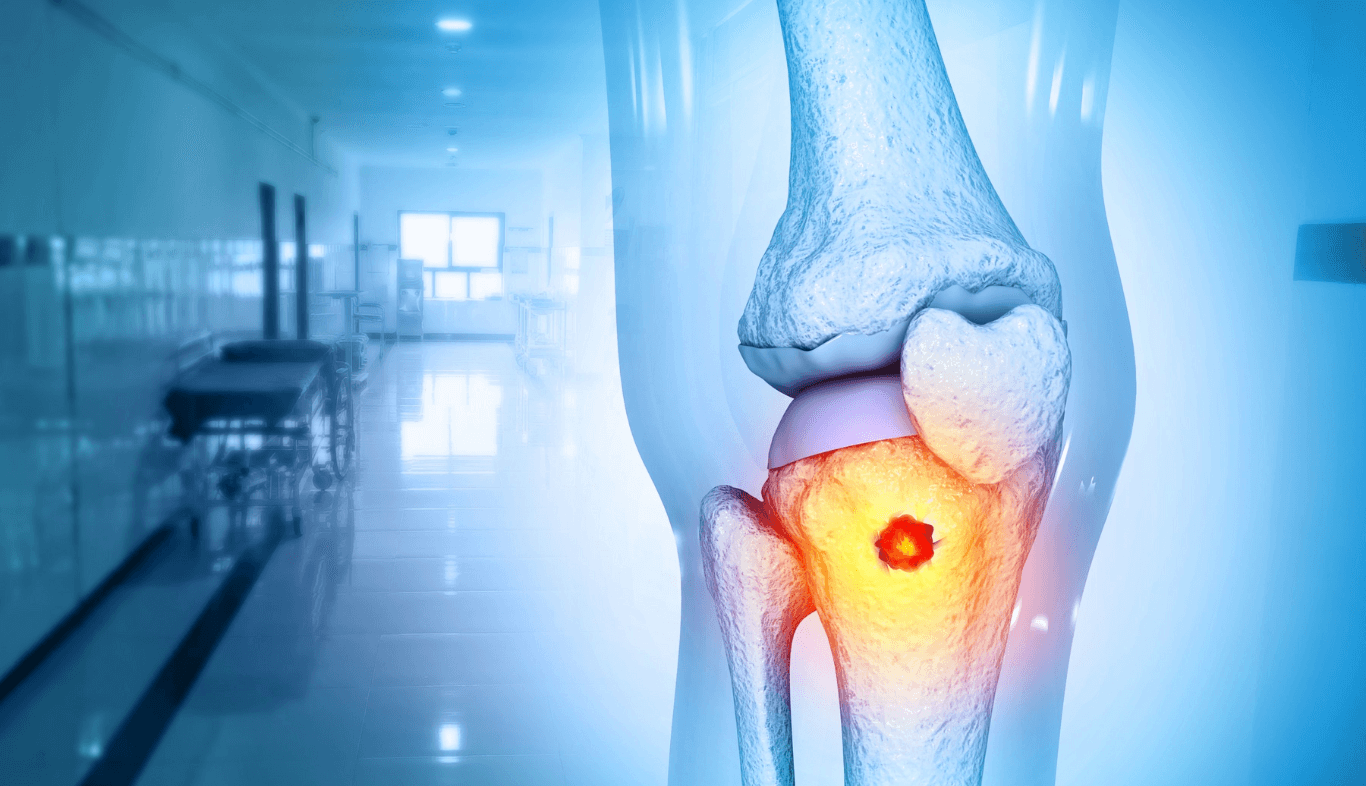
Correct classification is the foundation of a successful treatment plan. Each subtype responds differently to chemotherapy, radiation, and surgery, which is why specialized bone cancer centers in Turkey rely on tumor boards with pathologists, orthopedic oncologists, medical oncologists, and radiation oncologists to confirm the diagnosis before treatment begins.
Osteosarcoma
Osteosarcoma is the most common primary bone malignancy, arising from osteoblasts. It most often appears in the metaphysis of long bones, especially around the knee (distal femur and proximal tibia) and the proximal humerus, and it mainly affects children, adolescents, and young adults aged 10 to 20. Standard treatment in Turkey combines neoadjuvant chemotherapy, limb-sparing surgery, and post-operative chemotherapy. For more details on international treatment options, see our dedicated guide on the
Best clinics for osteosarcoma treatment abroad.
Chondrosarcoma
Chondrosarcoma originates in cartilage cells and is the second most common primary bone cancer. It most often affects the pelvis, femur, shoulder, and ribs in adults between 30 and 70 years old. Because chondrosarcoma usually does not respond well to chemotherapy or radiation, complete surgical removal with clear margins is the mainstay of treatment. Turkish orthopedic oncology centers offer computer-navigated resections and custom 3D-printed prostheses for difficult pelvic and scapular tumors.
Ewing Sarcoma
Ewing sarcoma is a rare, highly aggressive tumor that can start either in the bone itself or in the soft tissue around it. It commonly arises in the pelvis, femur, tibia, and chest wall of children, adolescents, and young adults. Treatment in Turkey follows international protocols that combine multi-agent chemotherapy with either surgery, radiation therapy, or both. Early response to induction chemotherapy is a key predictor of long-term survival.
Other bone malignancies that Turkish oncology teams treat regularly include multiple myeloma (a cancer of plasma cells in the bone marrow), chordoma (a slow-growing tumor of the spine and skull base), giant cell tumor of bone, fibrosarcoma, and malignant fibrous histiocytoma. Metastatic bone disease from breast, lung, prostate, kidney, or thyroid primaries is also managed through the same multidisciplinary framework.
How Bone Cancer Is Diagnosed in Turkey
Diagnosis follows international NCCN and ESMO guidelines. At a typical Turkish oncology hospital, the work-up includes imaging, laboratory tests, and a histological biopsy. The goal is to confirm the diagnosis, determine the exact subtype, and stage the disease before any treatment decision is made.
- Plain X-ray as a first-line imaging test to reveal bone destruction, new bone formation, or pathologic fractures
- MRI of the affected region to map tumor extent, soft tissue involvement, and neurovascular relationships
- CT scan of the chest and the primary tumor site to check for pulmonary metastases and cortical bone detail
- Whole-body bone scan (scintigraphy) or PET-CT to detect skip lesions and distant metastases
- Blood tests including alkaline phosphatase, lactate dehydrogenase (LDH), complete blood count, and comprehensive metabolic panel
- Core needle biopsy or open surgical biopsy performed by the same team that will later perform definitive surgery, which is the international standard of care
- Molecular and genetic testing (for example EWSR1 translocation for Ewing sarcoma) to confirm subtype and guide targeted therapy
Stages of Bone Cancer
Staging determines how far the disease has progressed and drives the treatment plan. Oncology teams in Turkey use the AJCC TNM system and the Enneking system, which considers tumor grade, local extent, and the presence of metastases.
- Stage I: Low-grade tumor confined to the bone with no metastases, best prognosis and often treated with surgery alone
- Stage II: High-grade tumor still confined to the bone, typically requires chemotherapy and limb-sparing surgery
- Stage III: High-grade tumor with multiple lesions in the same bone (skip metastases)
- Stage IV: Distant metastases, usually to the lungs, other bones, or visceral organs, treatment focuses on systemic therapy plus local control of the primary and metastatic sites
Who Is a Good Candidate for Bone Cancer Treatment?
Every case is discussed by a multidisciplinary tumor board before acceptance. Generally, good candidates for bone cancer treatment in Turkish oncology hospitals share the following characteristics:
- Confirmed histological diagnosis of a primary bone tumor or metastatic bone disease
- Adequate general health to tolerate chemotherapy, surgery, or radiation based on ECOG performance status
- No uncontrolled medical conditions (severe heart, kidney, or liver disease) that would make systemic therapy unsafe
- Realistic expectations about treatment duration, side effects, and rehabilitation after limb-sparing surgery
- Access to caregivers or a medical tourism coordinator such as A-Medical who can support the patient during a stay of several weeks to months
- Complete medical records (imaging, pathology slides, blood work) available for pre-travel review by the Turkish team
- Willingness to follow a structured follow-up plan, including remote imaging review, after returning home
Types of Bone Cancer Treatment in Turkey
Modern bone cancer treatment is almost always multimodal. Turkish oncology hospitals use a combination of the following approaches, tailored to tumor subtype, stage, and patient age.
Surgical Tumor Removal
The goal of surgery is complete resection of the tumor with a margin of healthy tissue (wide local excision). Procedures range from curettage and bone grafting for low-grade tumors to en-bloc resection for high-grade sarcomas. In spinal and pelvic tumors, computer-assisted navigation and 3D-printed patient-specific implants allow precise reconstruction of complex anatomy.
Limb-Sparing Surgery
More than 90% of bone cancer patients in Turkey today are treated with limb-sparing (limb-salvage) surgery instead of amputation. After the tumor is removed, the bone defect is reconstructed with an endoprosthesis (megaprosthesis), an allograft, a vascularized fibular graft, or a combination of these. Expandable endoprostheses are used in growing children so the artificial limb can be lengthened as the child grows, avoiding repeat revision surgery.
Chemotherapy
Chemotherapy uses cytotoxic drugs to kill cancer cells throughout the body. It is the backbone of treatment for osteosarcoma and Ewing sarcoma. Standard protocols use combinations such as doxorubicin, cisplatin, methotrexate, ifosfamide, etoposide, and vincristine. Neoadjuvant (pre-operative) chemotherapy shrinks the tumor and kills micro-metastases, while adjuvant (post-operative) chemotherapy reduces the risk of recurrence. Turkish hospitals follow the same international protocols used at Memorial Sloan Kettering, Royal Marsden, and Heidelberg.
Radiation Therapy
Radiation therapy is used when surgery is not possible, when margins are positive, or when the tumor is radiosensitive (Ewing sarcoma responds well). Advanced techniques available in Turkey include Intensity-Modulated Radiation Therapy (IMRT), Image-Guided Radiation Therapy (IGRT), Stereotactic Body Radiation Therapy (SBRT), and proton therapy in selected centers. These techniques deliver high doses to the tumor while sparing healthy bone marrow and surrounding organs.
Targeted Therapy and Immunotherapy
Targeted drugs such as denosumab for giant cell tumor, regorafenib for advanced osteosarcoma, and tyrosine kinase inhibitors for selected sarcomas are routinely prescribed. Checkpoint inhibitors and adoptive cell therapies are offered through oncology programs in Istanbul and Ankara. To understand how these cutting-edge therapies are delivered, see our detailed guide on immunotherapy in Turkey. For cases where the bone marrow itself is heavily involved, allogeneic or autologous transplantation may be considered, and you can read more in our guide to bone marrow transplant in Turkey.
How Bone Cancer Treatment Is Performed
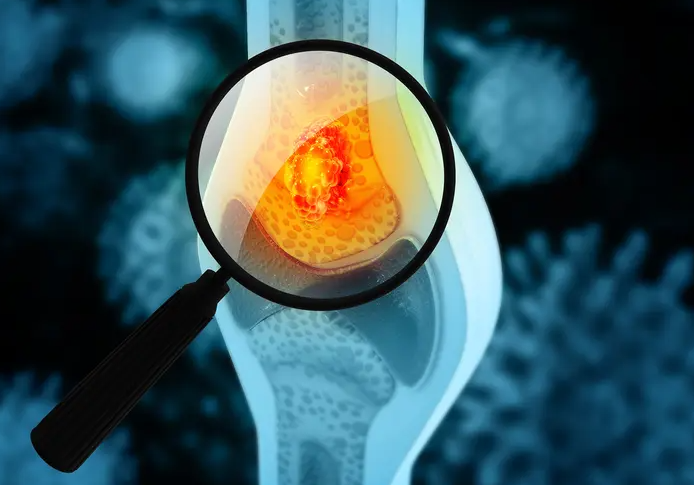
The typical pathway for an international patient looks like this. After A-Medical shares medical records with the oncology team, a video consultation is arranged with the orthopedic oncologist and medical oncologist. The patient travels to Turkey, repeats imaging and blood work on arrival, and meets the full team in person within 48 to 72 hours. Neoadjuvant chemotherapy (usually 2 to 4 cycles) is delivered, followed by re-staging imaging. Definitive surgery takes place, most often limb-sparing resection with endoprosthetic reconstruction. Adjuvant chemotherapy begins once the surgical site has healed, and radiation is added when indicated. The entire plan lasts from several months to just over a year, with most of the intensive in-hospital phase completed in 2 to 4 weeks per admission.
Recovery After Bone Cancer Treatment
Recovery depends on the extent of surgery and the chemotherapy protocol. After limb-sparing surgery, patients usually stay 5 to 10 days in hospital, followed by 2 to 4 weeks of in-country rehabilitation before flying home. Physical therapy starts the day after surgery with passive range-of-motion exercises, progresses to weight-bearing with crutches, and ends with gait training. Chemotherapy side effects, including nausea, fatigue, low blood counts, and hair loss, are managed with supportive medications. Most patients return to school or desk work within 3 to 6 months and to non-contact sports within 9 to 12 months, while following a lifelong surveillance schedule with imaging every 3 to 6 months in the first two years.
Risks and Side Effects of Treatment
Every patient should understand the potential complications of bone cancer treatment before starting therapy. Turkish oncology teams review these risks in detail during the informed consent process.
- Surgical risks: bleeding, infection, nerve injury, deep vein thrombosis, and implant loosening or failure in the long term
- Chemotherapy side effects: nausea, vomiting, hair loss, mucositis, neutropenia, infertility, cardiotoxicity (doxorubicin), and nephrotoxicity (cisplatin)
- Radiation side effects: skin reactions, fatigue, joint stiffness, growth plate damage in children, and rare secondary malignancies years later
- Targeted therapy and immunotherapy risks: immune-related adverse events, hypertension, and liver enzyme changes
- Psychosocial impact: anxiety, depression, and body image concerns, especially after amputation
- Local recurrence or distant metastasis despite complete treatment, which is why surveillance imaging is essential
Success Rates of Bone Cancer Treatment
Survival rates in leading Turkish oncology hospitals match international benchmarks. For localized osteosarcoma treated with chemotherapy plus limb-sparing surgery, the 5-year overall survival is around 70 to 75%. For localized Ewing sarcoma, 5-year survival is approximately 65 to 75%. Chondrosarcoma of low to intermediate grade has a 5-year survival of 80 to 90% when resected with clean margins. Outcomes drop significantly with metastatic disease at presentation, which is why early diagnosis and travel without waiting lists matter so much.
Cost of Bone Cancer Treatment in Turkey (2026)
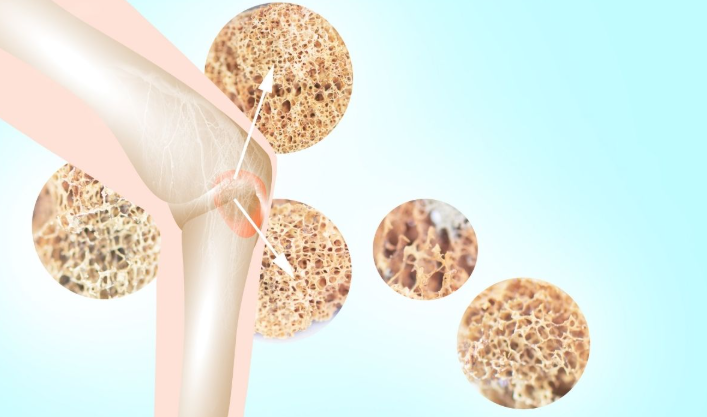
The cost of bone cancer treatment in Turkey depends on the tumor subtype, stage, the complexity of surgery, and the chemotherapy regimen. A complete treatment pathway typically costs between $20,000 and $70,000, which is 50 to 75% less than equivalent care in the United Kingdom or the United States while using the same international protocols and similar drug formulations.
Cost of Common Treatment Methods
- Limb-sparing bone tumor surgery with endoprosthesis: $12,000 to $25,000
- Full course of chemotherapy (6 to 12 months): $6,000 to $15,000
- Radiation therapy (full course, IMRT/IGRT): $5,000 to $12,000
- Targeted therapy or immunotherapy (per year): $7,000 to $20,000
- Diagnostic work-up including MRI, CT, PET-CT, and biopsy: $1,500 to $3,500
- Amputation with prosthesis fitting (when limb-salvage is not possible): $10,000 to $18,000
Cost Comparison: Turkey vs USA vs UK
The price gap between Turkey and Western countries comes from favorable currency exchange, lower labor and facility costs, and Ministry of Health incentives for internationally accredited hospitals. The table below shows a realistic 2026 comparison.
|
Treatment Type |
Turkey (USD) |
UK (USD) |
USA (USD) |
|
Limb-Sparing Bone Tumor Surgery |
$12,000 to $25,000 |
$45,000 to $70,000 |
$70,000 to $110,000 |
|
Full Course of Chemotherapy |
$6,000 to $15,000 |
$25,000 to $55,000 |
$40,000 to $90,000 |
|
Radiation Therapy (Full Course) |
$5,000 to $12,000 |
$18,000 to $35,000 |
$30,000 to $60,000 |
|
Targeted Therapy / Immunotherapy |
$7,000 to $20,000 |
$30,000 to $60,000 |
$50,000 to $100,000 |
|
Total Estimated Treatment Package |
$20,000 to $70,000 |
$50,000 to $100,000 |
$80,000 to $150,000 |
Even when you add flights, accommodation, and interpreter fees, the total cost of bone cancer treatment in Turkey remains a fraction of what the same care would cost in London or New York. More importantly, waiting times for oncology surgery in Turkey are often days or a few weeks, compared to months in public UK hospitals.
What Affects Treatment Costs?
- Tumor type and stage: metastatic disease requires more cycles of systemic therapy
- Type of surgery: custom 3D-printed endoprostheses are more expensive than standard ones
- Chemotherapy regimen: newer agents and targeted drugs cost more than classic cytotoxics
- Hospital tier: JCI-accredited flagship hospitals charge more than regional centers
- Length of hospital stay and need for intensive care
- Rehabilitation, physiotherapy, and prosthesis adjustments
- Currency exchange rate between USD, EUR, and Turkish lira at the time of treatment
Are All-Inclusive Packages Available?
Yes. A-Medical arranges all-inclusive packages that bundle pre-treatment imaging, hospital fees, surgeon and oncologist fees, chemotherapy drugs, hotel accommodation near the hospital, VIP airport transfers, and a dedicated interpreter. Everything is quoted upfront in a single transparent invoice so there are no surprises.
Why Choose Turkey for Bone Cancer Treatment?
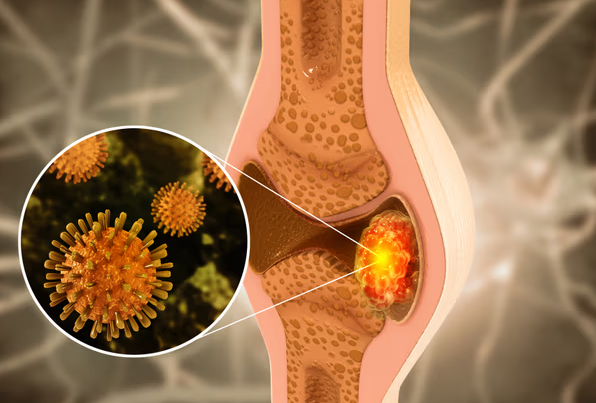
Turkey has become one of the top three destinations for international cancer patients from the Middle East, Europe, Central Asia, and Africa. Several factors come together to make treatment for bone cancer in Turkey uniquely attractive.
Advanced Oncology Hospitals
Many leading hospitals in Istanbul, Ankara, and Izmir are accredited by the Joint Commission International (JCI) and equipped with the latest linear accelerators, TrueBeam systems, da Vinci surgical robots, PET-CT and PET-MRI scanners, and dedicated bone marrow transplant units. This equipment matches what you would find at major academic centers in the US or Western Europe.
Experienced Oncologists and Surgeons
Turkish orthopedic oncologists, medical oncologists, and radiation oncologists are typically board-certified, with fellowship training from institutions in the United States, United Kingdom, Germany, or France. Many have published in peer-reviewed journals and hold memberships in international societies such as MSTS, EMSOS, and ESMO.
Multidisciplinary Cancer Care
Every bone cancer case is reviewed by a tumor board that includes an orthopedic oncologist, medical oncologist, radiation oncologist, pathologist, radiologist, nuclear medicine specialist, physiotherapist, and psycho-oncologist. This collective decision-making is the global gold standard and directly improves survival.
Affordable Treatment Options
As detailed above, savings of 50 to 75% versus Western countries are realistic and well-documented. The quality of care is not compromised, because costs are lower due to economic factors rather than corners being cut on protocols or medication.
International Patient Services
Leading hospitals have dedicated international patient departments with English, Arabic, Russian, French, and German-speaking staff. Halal meals, religious accommodation, private rooms, and family-friendly visitor policies are standard. When you work with A-Medical, an additional personal coordinator handles every logistical detail on your behalf.
Best Hospitals for Bone Cancer Treatment in Turkey
The following hospitals are among the most trusted centers for bone cancer treatment in Turkey, recognized for their oncology programs, orthopedic expertise, and strong outcomes in both adult and pediatric sarcomas.
Acıbadem Maslak Hospital, Istanbul
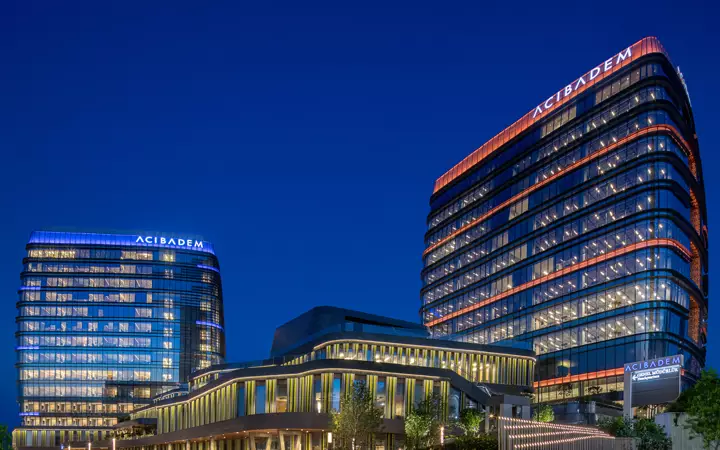
Acıbadem Maslak is a flagship oncology hospital with a dedicated cancer center, advanced radiotherapy suite including TrueBeam and CyberKnife, and a high-volume orthopedic oncology team. It is one of the few centers in Turkey that performs complex pelvic and spinal tumor resections with intraoperative navigation. JCI-accredited and staffed by US and EU fellowship-trained surgeons, it is a top choice for osteosarcoma, Ewing sarcoma, and chondrosarcoma patients who need multimodal treatment under one roof.
Memorial Şişli Hospital, Istanbul
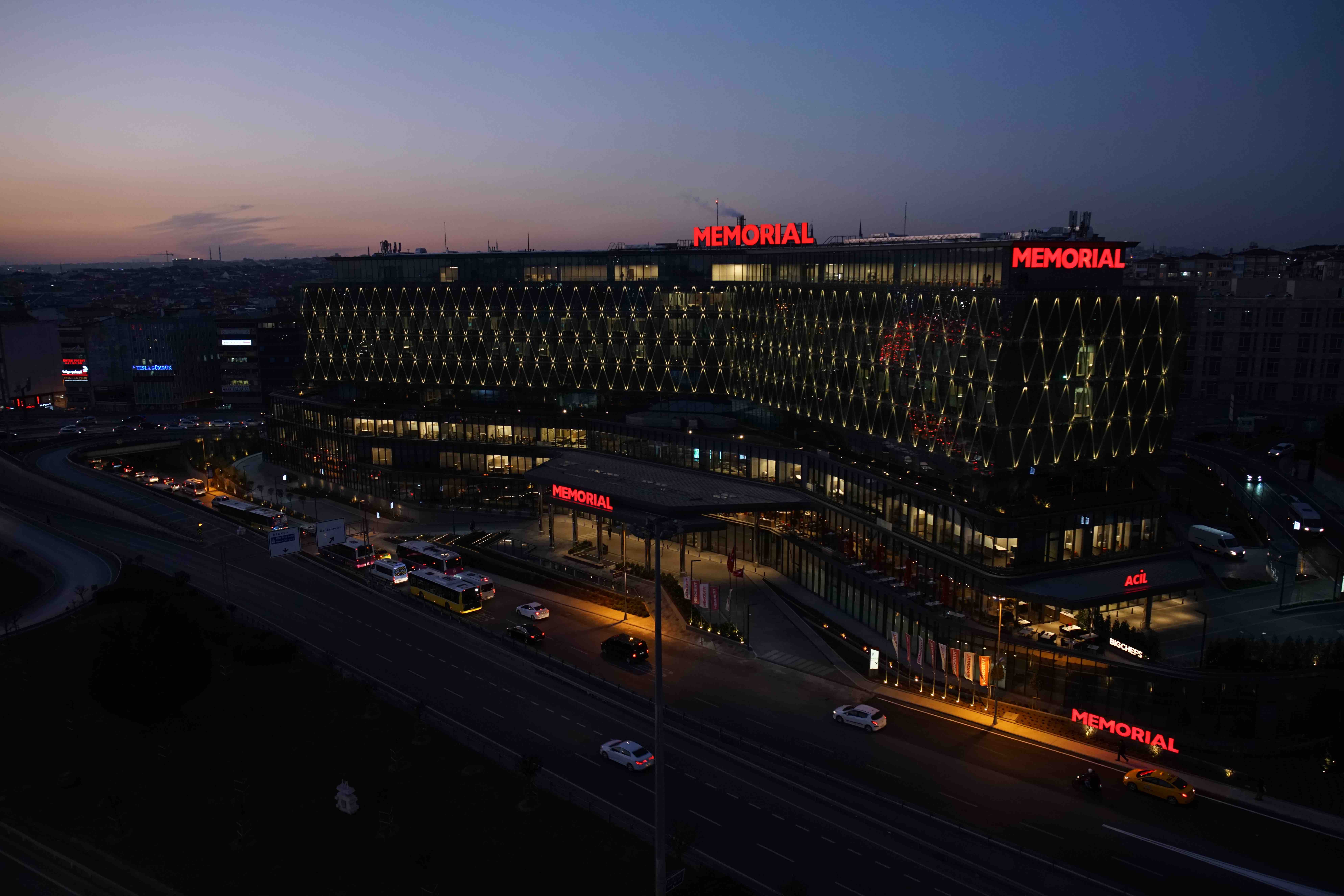
Memorial Şişli runs one of the busiest oncology programs in Turkey, with a sarcoma unit that manages hundreds of bone and soft-tissue tumor cases each year. The hospital is known for its integrated tumor board, its rapid scheduling (typically within 5 to 7 days of referral), and its state-of-the-art bone marrow transplant center. It is a strong option for patients who need chemotherapy combined with complex limb-salvage reconstruction.
Anadolu Medical Center (Johns Hopkins Affiliate), Gebze/Istanbul
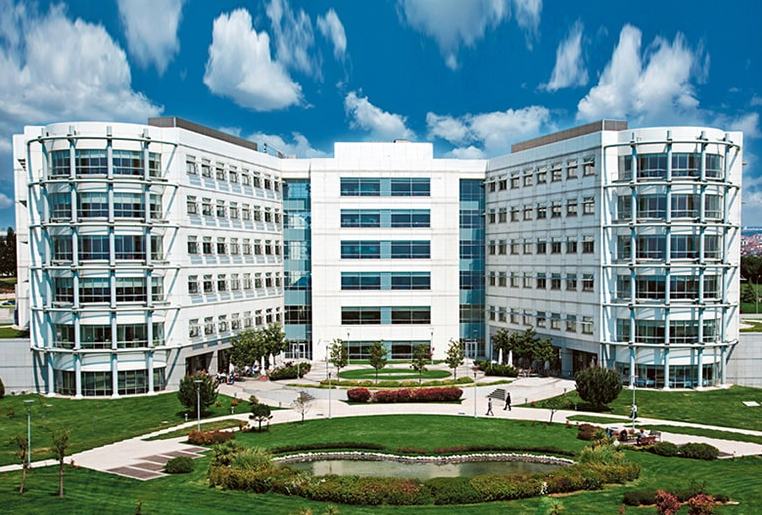
Anadolu is a strategic affiliate of Johns Hopkins Medicine and brings an American approach to oncology care, including second-opinion protocols, tumor genomics, and NCCN-aligned pathways. Its orthopedic oncology department works closely with medical oncology and radiation oncology, and the hospital has a reputation for transparent communication with international patients, which matters during long bone cancer treatments.
Medical Park Bahçelievler Hospital, Istanbul
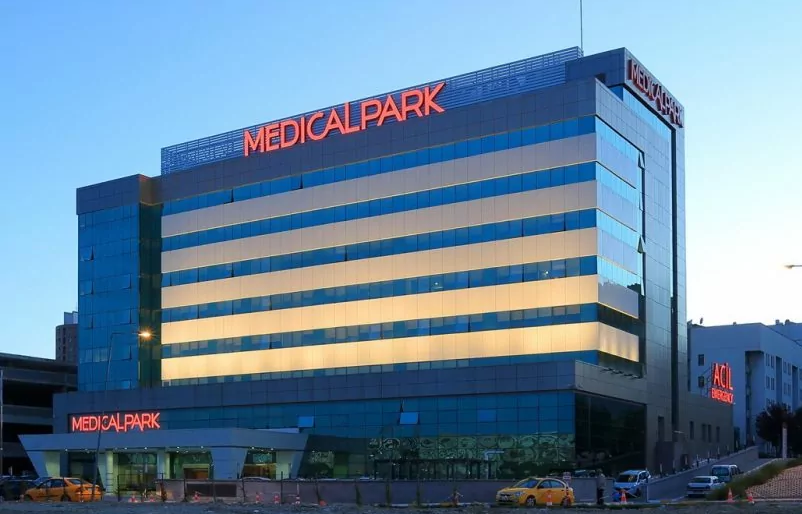
Medical Park Bahçelievler is a large JCI-accredited center with advanced oncology imaging, dedicated pediatric oncology wards, and a strong orthopedic oncology team. The hospital is particularly well known for treating childhood sarcomas such as Ewing sarcoma and pediatric osteosarcoma. Its all-inclusive international patient packages make it popular with families travelling from Azerbaijan, Central Asia, and the Middle East.
Liv Hospital Vadistanbul, Istanbul
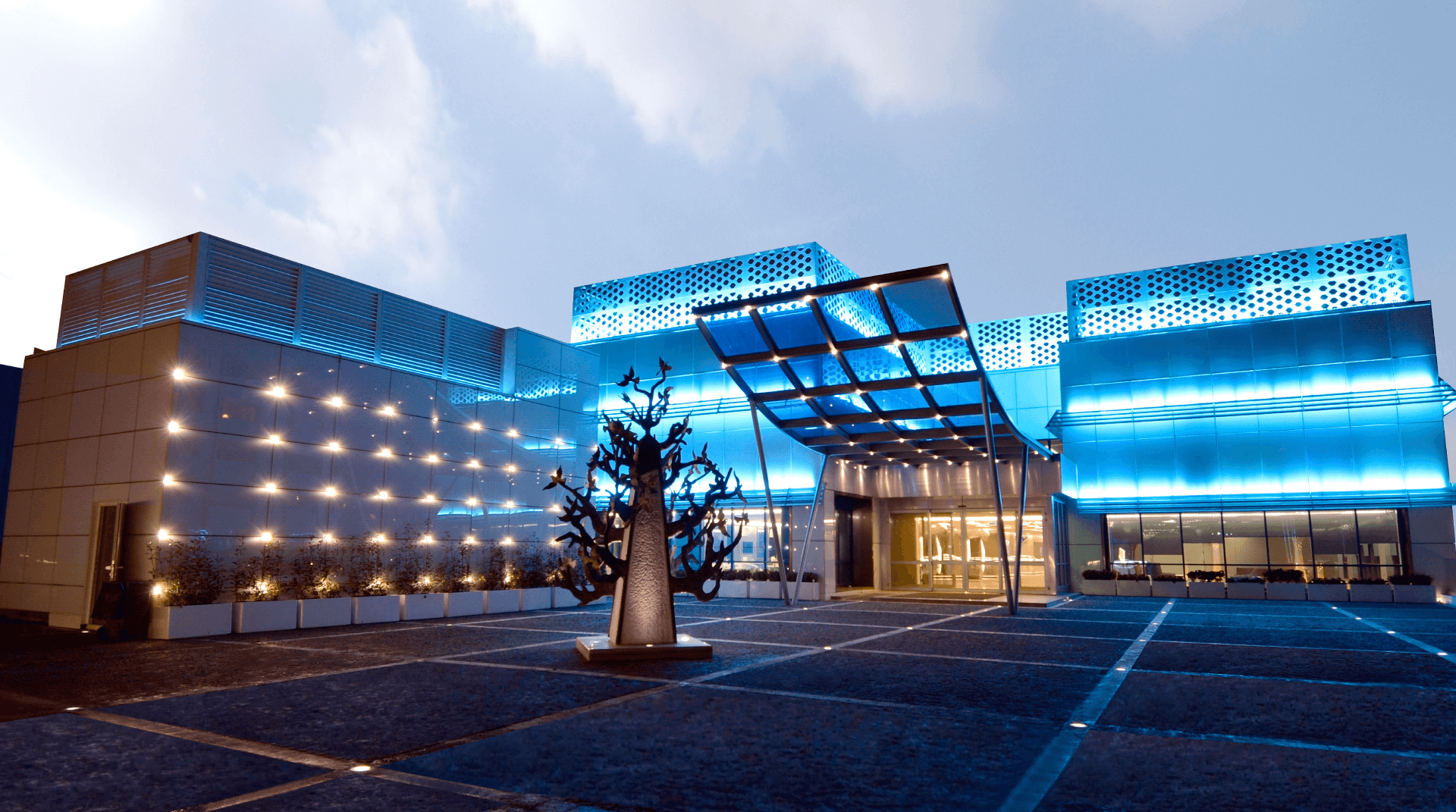
Liv Hospital offers boutique-style private oncology care with short waiting times and personalized treatment plans. Its orthopedic oncology program performs limb-sparing surgeries using custom megaprostheses and 3D-printed implants. The hospital is a common choice for adult patients looking for a quieter, more private environment while still receiving care guided by international protocols.
How A-Medical Can Help?
A-Medical is a medical tourism partner, not a hospital. We act on your behalf to make complex oncology treatment abroad simple, fast, and affordable. Our support during bone cancer treatment in Turkey includes:
- Free case review by Turkish orthopedic oncologists within 24 to 48 hours of receiving your medical records
- Matching with the best hospital and oncology team for your specific tumor subtype and stage
- No waiting lists: fast-tracked appointment scheduling, often within the same week
- Transparent all-inclusive pricing with a single, itemized quote, no hidden fees
- VIP airport transfers, hotel or serviced apartment accommodation near the hospital, and dedicated interpreters in your language
- Visa letters, travel planning, and family accommodation support
- 24/7 support throughout your stay and structured remote follow-up after you return home
If you or a loved one is considering treatment abroad, our team can prepare a personalized plan and cost estimate within 48 hours. You stay in control of every decision; we handle everything else.
Conclusion
Choosing where to receive bone cancer treatment in Turkey is one of the most important decisions a patient and their family will ever make. Turkey offers a rare combination that is hard to match elsewhere: internationally trained orthopedic oncologists, JCI-accredited hospitals using the same NCCN and ESMO protocols as US and EU centers, advanced surgical and radiation technology, short waiting times, and transparent pricing that is 50 to 75% lower than in the United States or the United Kingdom. Whether the diagnosis is osteosarcoma, Ewing sarcoma, chondrosarcoma, or metastatic bone disease, a multidisciplinary team in Istanbul or Ankara can design a personalized plan that aims for cure, limb preservation, and a return to full life.
A-Medical is here to make that plan a reality. Share your medical records with us today, and within 48 hours we will come back with a tailored treatment pathway, a transparent quote, and a complete travel plan, so you can focus on what truly matters: getting better.
Frequently Asked Questions About Bone Cancer Treatment in Turkey
Is bone cancer treatment in Turkey safe?
Yes, bone cancer treatment in Turkey is safe when carried out in JCI-accredited hospitals by board-certified orthopedic oncologists who follow NCCN and ESMO protocols. Oversight by the Turkish Ministry of Health adds another layer of quality control.
How long do I need to stay in Turkey for bone cancer treatment?
Most patients stay 2 to 4 weeks per treatment phase, with total time in Turkey ranging from a few weeks for surgery alone to several months when full chemotherapy and radiation are combined. A-Medical can arrange treatment in phases so you can return home between cycles.
Can bone cancer be cured?
Yes, many early-stage bone cancers can be cured, especially low-grade chondrosarcoma, localized osteosarcoma, and localized Ewing sarcoma when treated with multimodal therapy. Survival drops with metastatic disease, which is why early diagnosis and prompt treatment without waiting lists matter.
What is the success rate of bone cancer treatment in Turkey?
Leading Turkish oncology hospitals report 5-year survival rates of 70 to 75% for localized osteosarcoma, 65 to 75% for localized Ewing sarcoma, and 80 to 90% for low to intermediate-grade chondrosarcoma. These figures match those published by top US and European centers.
Do I always need amputation for bone cancer?
No. More than 90% of bone cancer patients in Turkey today are treated with limb-sparing surgery using endoprostheses or bone grafts, and amputation is reserved for tumors that heavily involve nerves, major blood vessels, or extensive soft tissue.
How much does bone cancer treatment cost in Turkey?
A full multimodal treatment package typically costs between $20,000 and $70,000 in Turkey, compared to $80,000 to $150,000 in the United States and $50,000 to $100,000 in the United Kingdom. The exact price depends on tumor type, stage, and the complexity of surgery.
Does insurance cover bone cancer treatment abroad?
Some private international health insurance plans cover oncology treatment in Turkey, especially when it is more cost-effective than care at home. A-Medical can provide itemized invoices and medical reports that insurers need for reimbursement claims.
How quickly can I start treatment in Turkey?
Through A-Medical, most patients receive a treatment plan within 48 hours of submitting medical records and can start therapy within 7 to 14 days of arriving in Turkey, with no public-system waiting list.
What is the first treatment given for osteosarcoma?
The first treatment for osteosarcoma is neoadjuvant chemotherapy for 8 to 10 weeks, which shrinks the tumor and treats micro-metastases before surgery. Limb-sparing surgery follows, then additional adjuvant chemotherapy.
Which type of bone cancer is most treatable?
Low-grade chondrosarcoma is generally the most treatable primary bone cancer because it can often be cured with surgery alone and has 5-year survival rates of 80 to 90%. Early-stage osteosarcoma and localized Ewing sarcoma also have very good outcomes with multimodal therapy.
Can children be treated for bone cancer in Turkey?
Yes, dedicated pediatric oncology units in Istanbul and Ankara treat children with osteosarcoma, Ewing sarcoma, and other sarcomas using expandable endoprostheses and child-adapted chemotherapy protocols. Family accommodation and interpreters are included in A-Medical packages.
Is chemotherapy painful?
Chemotherapy infusion itself is not painful, but side effects such as nausea, fatigue, mouth sores, and low blood counts can be difficult. Supportive medications and supervised oncology nursing in Turkish hospitals keep these side effects manageable.
How often do I need follow-up imaging after treatment?
Patients usually have imaging every 3 months for the first 2 years, every 6 months for years 3 to 5, and annually thereafter. A-Medical can coordinate remote review of follow-up scans by the same Turkish oncology team.
Can bone cancer come back after treatment?
Yes, local recurrence or distant metastasis can occur, most often in the first two years after treatment. This is why structured follow-up with chest CT, MRI of the primary site, and bone scans is essential.
Does A-Medical provide accommodation and transfer services?
Yes, every A-Medical package includes VIP airport transfers, hotel or serviced apartment accommodation near the hospital, and a dedicated interpreter, all arranged before you arrive. Family members can also be accommodated in the same location.
Can I get a second opinion before committing to treatment?
Absolutely. A-Medical arranges free second-opinion consultations with senior orthopedic oncologists in Turkey, based on the imaging and pathology you send, before you make any travel commitment.