Contents
Related Topics
Gambling Addiction Treatment in Switzerland: Clinics, Costs, and Fast Booking
When gambling stops being a habit and starts running someone's life, time matters. Gambling Addiction Treatment in Switzerland is widely considered the gold standard for high-net-worth patients who need privacy, medical-grade care, and a calm setting away from triggers. The challenge is access. Most top Swiss clinics work at full capacity, and direct booking can take weeks of back-and-forth, intake forms, and waitlists. A-Medical shortens that to a few days by handling the clinical match, the paperwork, and the admission directly with the medical team.
This guide explains how gambling disorder is treated in Switzerland, which clinics consistently lead the field, what programs cost, and how to skip the waitlist when someone you love cannot wait.
Why Switzerland Leads in Gambling Disorder Treatment
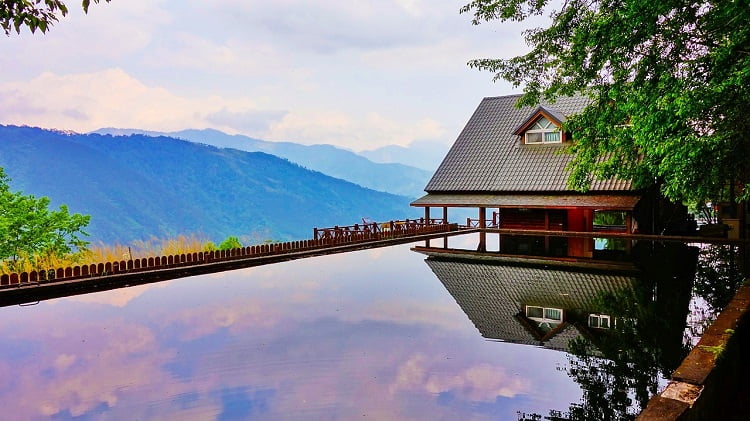
Switzerland combines three things almost no other country offers in one place: strict patient confidentiality protected by federal law, a private medical sector built around UHNW clientele, and a national framework that treats addiction as a health condition rather than a moral failure. The Federal Office of Public Health (FOPH) runs the National Strategy on Addiction, which explicitly covers behavioral addictions including pathological gambling, online betting, and gaming.
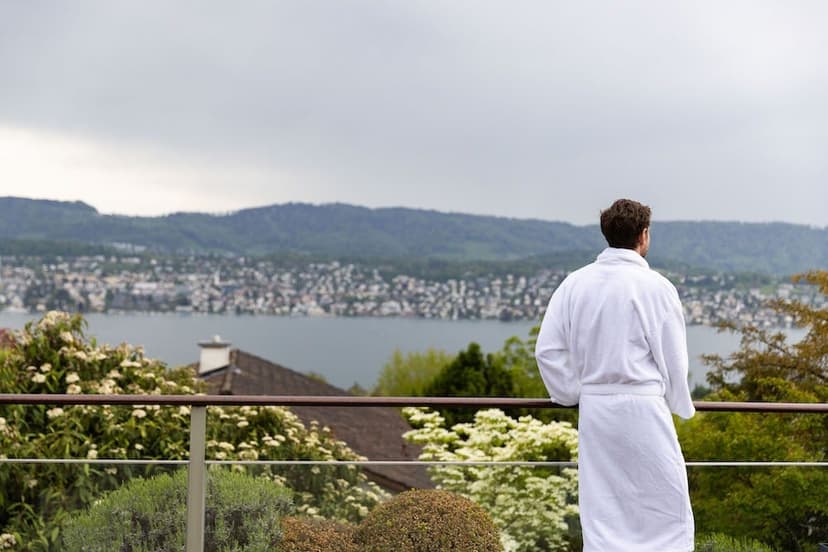
On the clinical side, Swiss rehab clinics for gambling addiction use the same evidence-based protocols you would find at academic medical centers, but deliver them in a residential, one-on-one or low-ratio format. Cognitive Behavioral Therapy (CBT), Motivational Interviewing, EMDR for underlying trauma, family systems work, biomolecular and neurochemical testing, and psychiatric medication management for co-occurring depression, anxiety, ADHD, or bipolar disorder are standard. Settings on Lake Zurich, Lake Geneva, and in the Bernese Oberland make the experience clinically intensive without feeling institutional.
Understanding Gambling Disorder: Symptoms and Risk Factors
The American Psychiatric Association classifies gambling disorder in the DSM-5 as a behavioral addiction. It activates the same dopamine-driven reward circuits as substance use disorders, which is why willpower alone rarely resolves it. Compulsive gambling can involve casino games, online sports betting, slot machines (VLTs), poker, day trading, lottery, or crypto wagering, and the behavior pattern matters more than the platform.
Common Symptoms of Gambling Addiction
Clinicians look for a recurring pattern over the past 12 months. Typical signs include:
- Preoccupation with gambling (replaying past sessions, planning the next one, calculating ways to fund it)
- Needing to bet larger amounts to get the same emotional hit (tolerance)
- Restlessness or irritability when trying to cut back (withdrawal)
- Repeated failed attempts to stop, even after serious losses
- Chasing losses by gambling more to win back what was lost
- Lying to family, partners, or therapists about how much was wagered
- Borrowing money, selling assets, or jeopardizing a job, relationship, or career to keep gambling
- Gambling to cope with anxiety, depression, guilt, or boredom
Risks and Complications Without Treatment
Untreated compulsive gambling rarely stays contained. The risks tend to escalate together:
- Financial collapse, including bankruptcy, fraud, and legal exposure
- Severe co-occurring depression and generalized anxiety
- Substance abuse, most often alcohol, cocaine, or stimulants used to manage the cycle
- Suicidal ideation: research consistently shows pathological gamblers carry one of the highest suicide-attempt rates of any addictive disorder
- Family breakdown, divorce, and loss of custody
- Job loss, professional licensing issues, and reputational damage for executives and public figures
Many clients also arrive with overlapping behavioral patterns such as compulsive shopping, sex addiction, or gaming addiction. A serious gambling addiction rehab in Switzerland will screen for all of them at intake rather than treating gambling in isolation.
Types of Gambling Addiction Treatment Programs in Switzerland
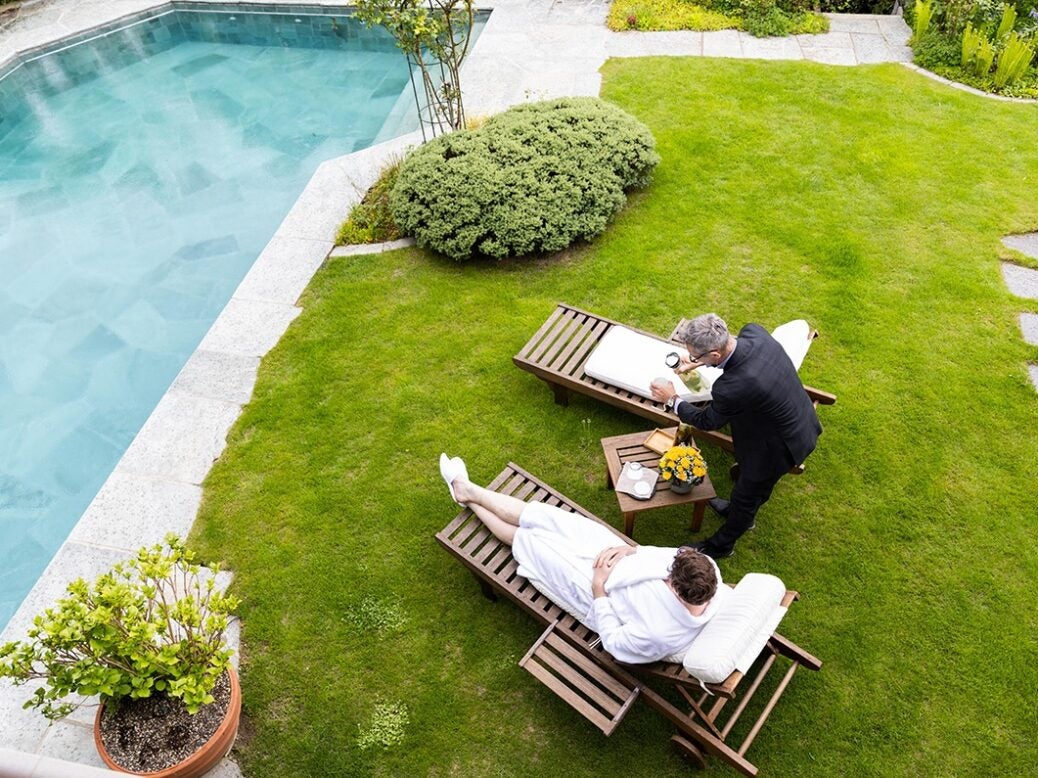
Swiss clinics typically offer a few clear program structures. The right one depends on severity, co-occurring conditions, and how much time the client can step away from work and family.
- Residential inpatient (28 to 90 days): The standard for moderate to severe gambling disorder. Includes 24/7 supervision, daily individual therapy, group or one-on-one sessions, psychiatric care, and structured aftercare planning.
- Intensive short-stay (7 to 14 days): Used for executives or high-profile clients who need rapid stabilization, a confidential reset, and a clear post-discharge plan.
- Detox-supported admission (2 to 7 days): For patients with co-occurring alcohol, benzodiazepine, or stimulant dependence that needs medical detox before behavioral therapy can begin.
- Outpatient and continuing care: Weekly therapy, medication management, and relapse-prevention coaching, often delivered remotely after the residential phase.
- Family program: Partner and family sessions to repair trust, restructure household finances, and prevent relapse triggers at home.
Therapies Used Inside the Programs
A typical program combines several modalities rather than relying on one:
- Cognitive Behavioral Therapy (CBT) adapted for gambling, including urge surfing and trigger mapping
- Motivational Interviewing to strengthen commitment to change
- EMDR for trauma and childhood adversity that often sits underneath compulsive behavior
- Psychodynamic and schema therapy for long-standing personality patterns
- Group therapy or 12-step style peer work, where clinically appropriate
- Family and couples therapy
- Mindfulness, neurofeedback, and biomolecular restoration (BIO-R style protocols at certain clinics)
- Pharmacotherapy when indicated, including SSRIs, mood stabilizers, naltrexone, and treatment of underlying ADHD, bipolar disorder, or depression
Best Gambling Addiction Rehab Centers in Switzerland
These are the clinics that consistently appear in serious clinical referrals for gambling addiction treatment in Switzerland. A-Medical works directly with the admissions teams of every facility listed below, which is how we secure intake slots that public booking channels often cannot.
The Kusnacht Practice (Lake Zurich)
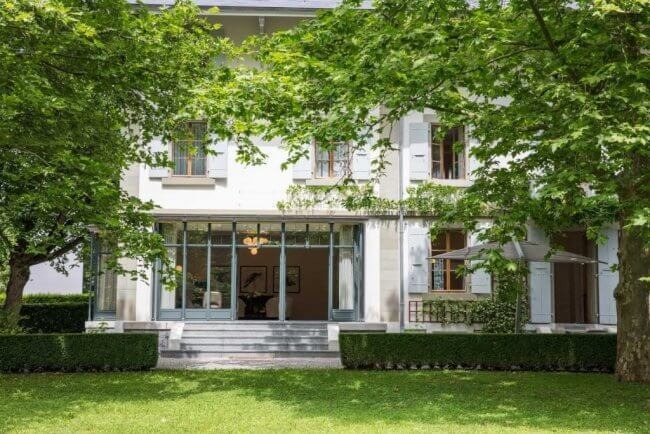
On the shores of Lake Zurich, The Kusnacht Practice is one of the most recognized names in private addiction care globally. Each client is treated in a private villa with a live-in counsellor, a private medical team, chef, and concierge support. The clinic uses a 360-degree model that combines psychiatric care, CBT, biomolecular testing, longevity medicine, and intensive one-on-one therapy. It is built for clients who need maximum discretion and full one-client-at-a-time scheduling, and it handles complex pathological gambling cases with co-occurring substance dependence, depression, or burnout. Programs typically start at very high price points reflecting the staff-to-client ratio.
Paracelsus Recovery (Zurich)
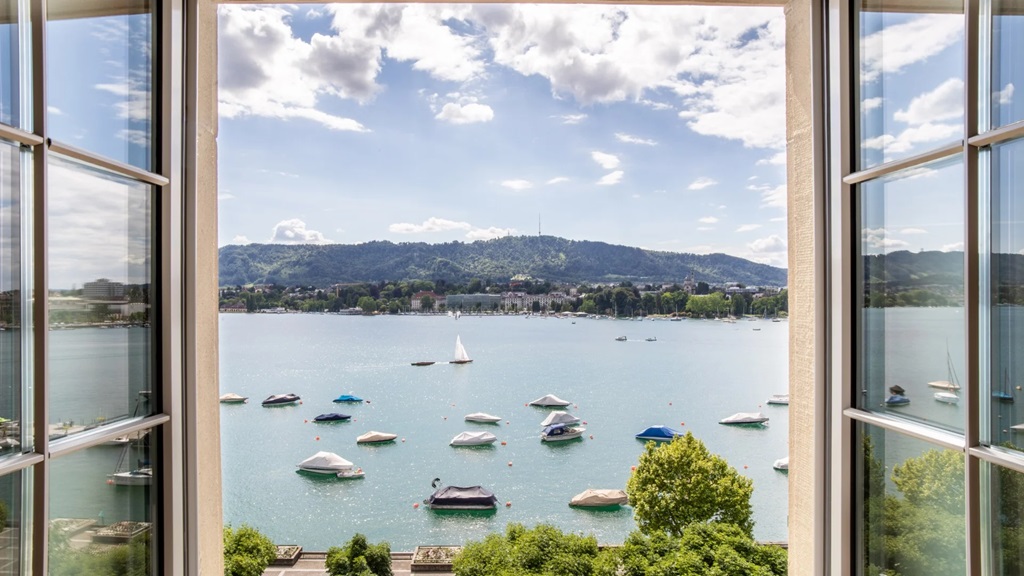
Paracelsus pioneered the one-client-at-a-time model in Switzerland and remains the reference for ultra-high-net-worth treatment. The clinic operates from lakeside penthouses in Zurich with a 20:1 staff-to-client ratio, which is rare even in luxury rehab. Their gambling addiction program integrates psychiatric assessment, biochemical and hormonal testing, intensive psychotherapy, and specialized tracks for sudden-wealth syndrome, executive burnout, and narcissistic abuse, all of which often overlap with compulsive gambling in their client base.
Clinic Les Alpes (Montreux)
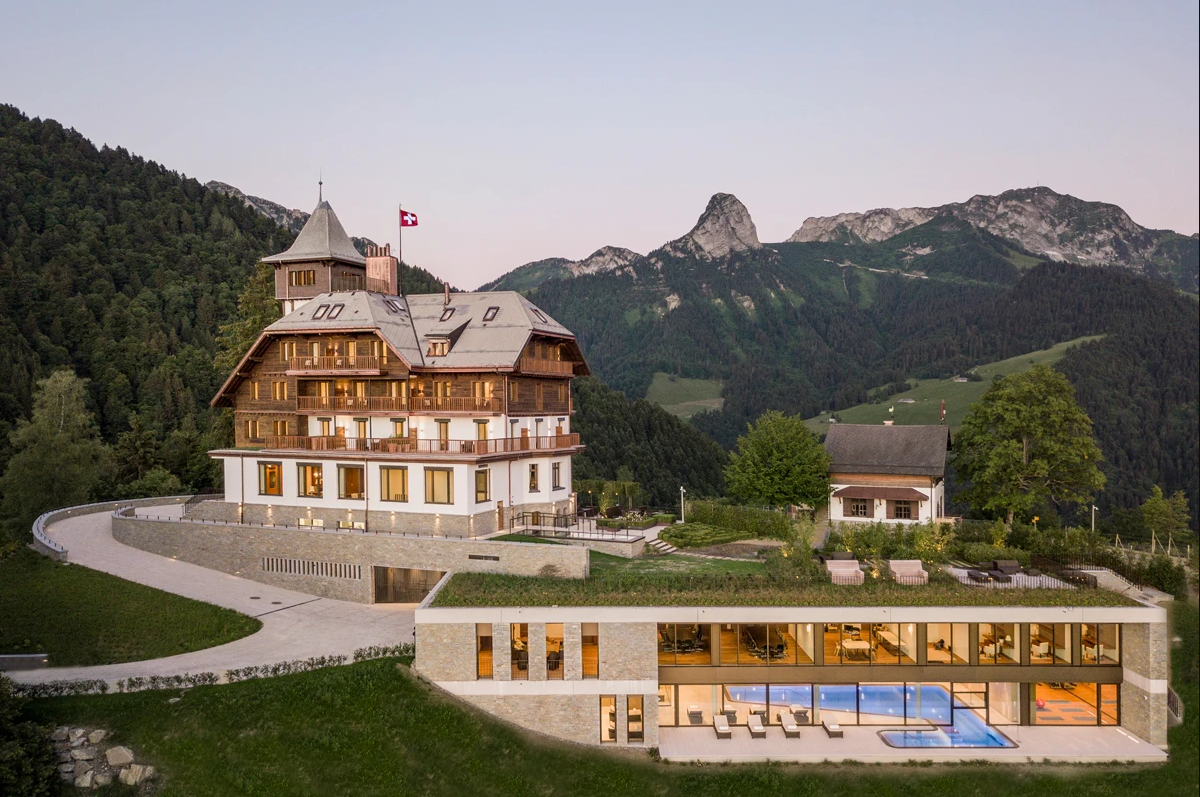
Set above Lake Geneva in Montreux, Clinic Les Alpes is a fully licensed medical inpatient facility offering a structured 28-day model that can extend longer when clinically needed. The gambling treatment track combines CBT, group therapy, individual sessions, trauma work, and a strong relapse-prevention plan with aftercare. Pricing sits below the Zurich one-client clinics, which makes it a frequent choice for clients who want serious clinical care in a more communal setting without losing privacy.
NEOVIVA (Vitznau, Lake Lucerne)
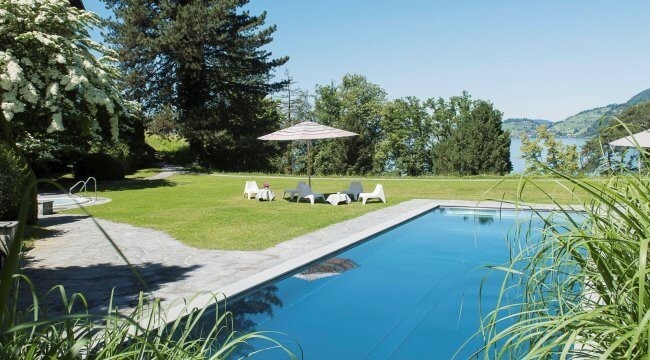
NEOVIVA runs its program inside a private hotel section overlooking Lake Lucerne, which gives clients exposure to a real-world environment under medical supervision rather than a fully isolated facility. The team includes recovery counsellors who have personally maintained long-term recovery, and the program emphasizes behavioral and psychological work for problem gambling, with at least six months of structured aftercare. NEOVIVA is residential only; they do not offer outpatient gambling care, which keeps the program intensive.
CALDA Clinic (Zurich)
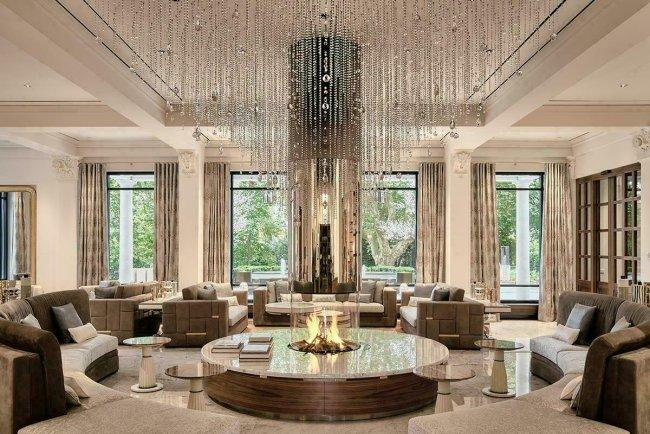
CALDA is on Lake Zurich's Gold Coast and runs a strict one-client model focused on behavioral addictions, mood disorders, and trauma. The gambling program is highly individualized, with biochemical profiling, integrative medicine, and intensive psychotherapy across a typical 4 to 12 week stay. CALDA tends to attract clients who want maximum privacy combined with a more medical-academic approach than the hospitality-led clinics.
Privatklinik Meiringen (Bernese Oberland)
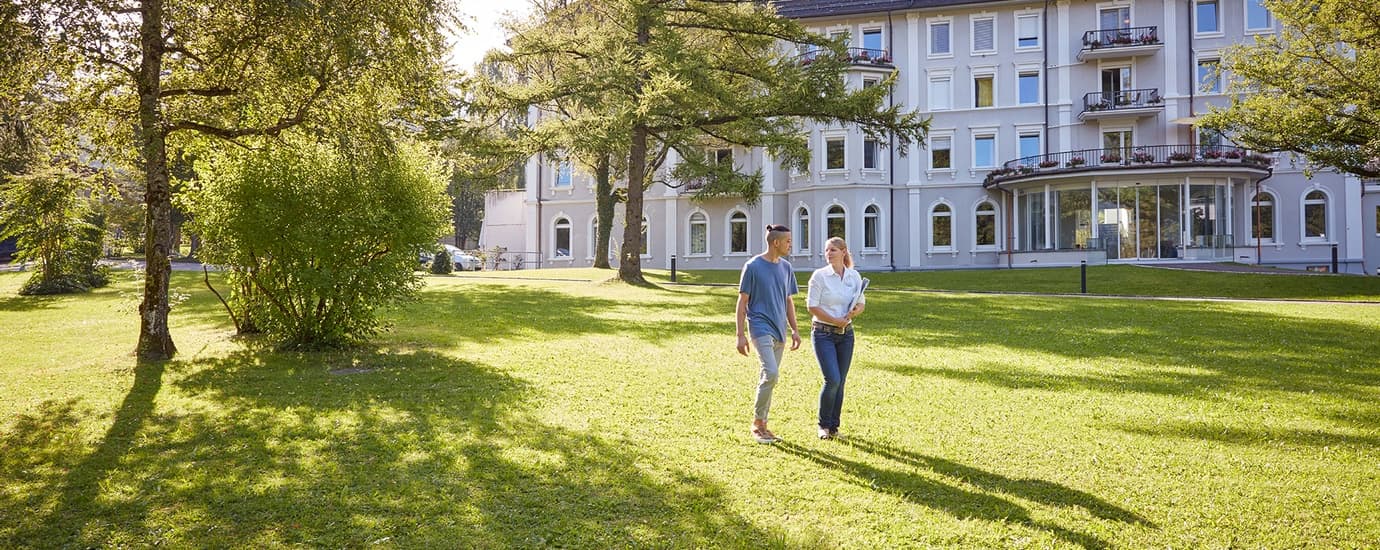
Meiringen is a leading Swiss psychiatric clinic in the Hasli Valley that treats a broader range of mental illness, including gambling addiction, mood disorders, and dual-diagnosis cases. It is the right fit when a client needs a clinically rigorous, hospital-grade environment rather than a luxury residence, often for severe cases involving suicidality or significant comorbid psychiatric illness. Pricing is determined individually based on diagnosis.
Other reputable options A-Medical works with include THE BALANCE RehabClinic, Privatklinik MENTALVA, and Clinique La Métairie near Lake Geneva, all of which run credible gambling and dual-diagnosis programs.
How Much Does Gambling Addiction Treatment in Switzerland Cost?
Pricing varies more than people expect, mostly because of staff ratios and accommodation tier. As a rough guide:
- Mid-tier residential luxury clinics (Clinic Les Alpes, NEOVIVA, La Métairie): roughly CHF 27,000 to 50,000 per week
- High-tier one-client clinics (The Kusnacht Practice, CALDA): roughly CHF 110,000 to 130,000 per week and upward
- Ultra-bespoke programs (Paracelsus Recovery and similar): can exceed CHF 100,000 per week
- Psychiatric clinics with broader mental health capacity (Privatklinik Meiringen): typically priced individually based on diagnosis
Final cost depends on length of stay, whether medical detox is required, whether the program includes biomolecular and neurochemical testing, the number of one-to-one therapy hours per day, and the level of accommodation. A-Medical issues a direct quote from the clinic with no markup, and confirms what is and is not included before the patient travels.
Best Candidates for Treatment in Switzerland
Switzerland is not the only country offering gambling rehab, but it is the right choice in specific situations:
- Executives, founders, and public figures who cannot risk being recognized in a domestic clinic
- Patients with significant assets who need financial-counseling and trust-rebuilding alongside therapy
- Cases involving suicidality or severe depression where psychiatric oversight must be at the highest level
- Dual-diagnosis cases combining gambling with alcohol, cocaine, or prescription medication dependence
- Patients who have already tried outpatient therapy or local rehab and relapsed
- Family members willing to participate in the program, which significantly improves outcomes
Benefits of Choosing a Swiss Gambling Rehab
- Federally protected confidentiality and discreet, anonymous admission
- Calm natural settings on Lake Zurich, Lake Geneva, or in the Alps that genuinely reduce relapse triggers
- Very low staff-to-client ratios, including true one-client-at-a-time models
- Full medical and psychiatric infrastructure on site, not just talk therapy
- Integrated treatment for co-occurring conditions, including depression, anxiety, ADHD, trauma, and substance use
- Strong, structured aftercare and relapse-prevention planning that continues after discharge
- English-speaking clinicians, plus French, German, Italian, Russian, and Arabic in most major clinics
How A-Medical Books You into a Swiss Clinic Faster
Direct booking with top Swiss clinics is rarely fast. Most facilities require a pre-admission clinical interview, a psychiatric questionnaire, financial verification, and travel coordination, and many of them quietly run waitlists for the better-known programs. Families who try to handle this alone often lose two to three weeks at the worst possible moment. A-Medical compresses that into days.
What working with A-Medical changes for you:
- We hold direct admissions relationships with the leading Swiss clinics, so we can confirm availability the same day you call
- We run a confidential clinical assessment to match the patient to the right facility (residential vs. one-client, detox vs. behavioral-only, psychiatric vs. luxury residential)
- We submit the intake paperwork and clinical history to the clinic on your behalf
- We negotiate the package and confirm the all-in price with no agency markup
- We coordinate travel, ground transfer, and arrival logistics, including private transport from Zurich or Geneva airports
- You stay anonymous: clinics never need your real name to begin the process
- We stay involved through admission and after discharge to coordinate aftercare
If the patient also presents with substance use, our team can route them through a combined gambling and substance program. You can review what those look like in our guide to luxury drug and alcohol rehab in Switzerland, which covers the same group of clinics with detox-first protocols.
Talk to A-Medical before booking directly. A 15-minute confidential call usually saves a week of admin and prevents booking the wrong clinic for the case.
What to Expect During and After Treatment
The first 5 to 10 days at any serious Swiss gambling addiction clinic are an assessment phase: full medical workup, psychiatric evaluation, biochemical or hormonal testing where the clinic offers it, and screening for co-occurring conditions. Anxiety symptoms, panic attacks, and sleep disturbance are extremely common at this stage and are treated alongside the gambling work, not after it. If anxiety is the dominant overlay, our overview of the best countries for panic attack and anxiety treatment explains how Switzerland compares to alternatives.
The therapy phase usually runs 28 days at minimum. Daily structure varies by clinic, but most programs include several individual therapy hours, group or family sessions where appropriate, physical movement, mindfulness or somatic work, and structured downtime. Discharge planning starts in week three: a written relapse-prevention plan, a financial-controls plan, a continuing-care schedule with weekly therapy back home, and in many cases a sober travel companion for the return trip.
Outcomes are good when the program is completed. Clinical literature suggests that 60 to 80 percent of patients who finish a structured gambling rehab maintain meaningful behavioral change at follow-up, particularly when family is involved and aftercare is consistent. To see how Switzerland compares to other rehab destinations broadly, our breakdown of the best gambling addiction rehabs sets out the alternatives.
What to Check Before You Choose a Clinic
- Whether the program is residential or outpatient, and which one fits the case
- The actual staff-to-client ratio, not just the marketing language
- Whether psychiatric medication management is on-site or referred out
- How co-occurring conditions are diagnosed and treated
- Length of program and minimum recommended stay for gambling specifically
- What aftercare looks like for the first 6 months after discharge
- Whether family sessions are included or extra
- All-in pricing in writing, including any biomolecular testing or extra therapies
- Languages spoken by the lead clinician, not just front-of-house staff
Frequently Asked Questions
How long does gambling addiction treatment in Switzerland last?
Gambling addiction treatment in Switzerland usually lasts 28 days for a standard residential program, and up to 60 to 90 days for severe or dual-diagnosis cases. Short stabilization stays of 7 to 14 days are also possible for executives needing a confidential reset.
How effective is gambling rehab in Switzerland?
Gambling rehab in Switzerland is among the most effective in the world, with clinical follow-up data suggesting roughly 60 to 80 percent of patients who complete a full residential program maintain significant behavioral change at one-year follow-up.
Is gambling addiction a real medical disorder?
Yes. Gambling addiction is recognized in the DSM-5 as gambling disorder, classified as a behavioral addiction that affects the brain's dopamine reward system in ways comparable to substance use disorders.
Can I stay anonymous when booking treatment in Switzerland?
Yes. Anonymity during booking treatment in Switzerland is standard practice. Top Swiss clinics do not require a patient's legal name to start the admissions process, and A-Medical can handle the entire intake under a confidential reference.
How much does gambling addiction treatment in Switzerland cost?
Gambling addiction treatment in Switzerland typically costs between CHF 27,000 and CHF 130,000 per week, depending on the clinic, the staff ratio, and whether medical detox or biomolecular testing is included.
Can family members be involved in the program?
Yes. Family involvement is built into most Swiss gambling rehab programs, with structured couples or family sessions during the residential stay and continuing into the aftercare phase, because family support is one of the strongest predictors of long-term recovery.
How fast can A-Medical book a Swiss clinic?
A-Medical can usually confirm a Swiss clinic admission within 24 to 72 hours of the first call, compared to one to three weeks for direct booking, because we hold ongoing admissions relationships with the major clinics and submit the intake paperwork on the patient's behalf.
Start the Process with A-Medical
If you or someone you care about needs gambling addiction treatment in Switzerland and you want to skip the waitlist, contact A-Medical for a confidential 15-minute consultation. We will match the case to the right clinic, confirm availability, and handle the admission so the patient can travel within days, not weeks.