Contents
Croatia has rapidly become one of Europe's most cost-effective destinations for spinal procedures, attracting patients from the UK, Ireland, Germany, and Scandinavia who want fast access to skilled neurosurgeons without the burden of public-system waiting times. Spine surgery in Croatia typically ranges from €3,500 to €15,000 depending on the technique, while the same procedure costs £18,000 to £35,000 privately in the UK and $50,000 to $150,000 in the United States. NHS patients often wait 8 to 18 months for elective spinal procedures, and US insurance hurdles often delay surgery for months, so Croatian private hospitals deliver consultation, imaging, and surgery within 7 to 10 days for many international patients.
Spine surgery in Croatia costs a fraction of UK and US prices, and A-Medical takes care of everything from the first MRI review to your return home, including surgeon matching, appointment scheduling, accommodation, transfers, and interpreter support. Contact us today to receive a detailed quote and surgeon match within 24 hours.
Why International Patients Pick Croatia for Spine Surgery
Croatia sits in the European Union, which means hospitals follow EU medical device regulations, surgeons train in Germany, Austria, Switzerland, and the United States, and pharmaceuticals carry EMA approval. Zagreb, the medical hub, sits within a 2-hour flight from London, Frankfurt, Vienna, Milan, and Stockholm, and Franjo Tuđman Airport connects to the city center in under 30 minutes by taxi. The spine surgery in Croatia market grew steadily because Croatian neurosurgeons brought back minimally invasive techniques from international fellowships, including endoscopic discectomy, METRx microendoscopic decompression, TLIF (Transforaminal Lumbar Interbody Fusion), and laser spine surgery (PLDD). Private clinics work outside the national HZZO insurance system, so they can offer same-week scheduling without queueing.
Key Advantages of Choosing Croatia
- Surgery costs run 60% to 80% lower than UK private rates and US prices.
- Most clinics accept English-speaking patients and provide written reports in English.
- No mandatory referral chain. Patients can book directly with a neurosurgeon.
- Recovery accommodation works well thanks to Zagreb's compact size and 4-star hotel availability near hospitals.
- EU GDPR-protected medical records, which carry directly back to home-country physicians for follow-up.
- Croatia issues short-stay visa exemptions for UK, US, Canadian, EU, GCC, and most Latin American passport holders.
Spine Surgery Cost in Croatia in 2026
The cost of spine surgery in Croatia depends on the procedure complexity, implant brand, hospital stay duration, and whether the surgeon plans revision work. The table below shows current 2026 Croatian private clinic ranges in euros and US dollars, based on published data from Bookimed, ZagrebMed partner hospitals, and direct quotes from Zagreb facilities.
|
Procedure |
Croatia (EUR) |
Croatia (USD) |
|
Microdiscectomy |
€3,500 to €5,500 |
$3,800 to $6,000 |
|
Endoscopic Discectomy |
€4,500 to €7,000 |
$4,900 to $7,600 |
|
Laminectomy |
€4,000 to €6,500 |
$4,400 to $7,100 |
|
Lumbar Spinal Fusion |
€8,500 to €13,000 |
$9,200 to $14,200 |
|
Cervical Disc Replacement |
€7,500 to €11,000 |
$8,200 to $12,000 |
|
Scoliosis Correction |
€12,000 to €18,000 |
$13,000 to $19,500 |
|
Laser Spine Surgery (PLDD) |
€3,000 to €4,500 |
$3,300 to $4,900 |
How Croatia Compares to Other Countries
The price gap shows clearly when patients run identical quotes across borders. The figures below cover lumbar spinal fusion, the most common international comparison procedure.
|
Country |
Lumbar Spinal Fusion Cost |
Typical Wait Time |
|
Croatia |
€8,500 to €13,000 |
1 to 2 weeks |
|
United Kingdom (private) |
£22,000 to £35,000 |
4 to 8 weeks |
|
United Kingdom (NHS) |
Covered |
8 to 18 months |
|
United States |
$80,000 to $150,000 |
4 to 12 weeks |
|
Germany |
€22,000 to €40,000 |
3 to 6 weeks |
|
Canada |
CAD 50,000 to 90,000 |
6 to 14 months |
Prices may vary depending on the surgeon's experience, the implant manufacturer (Medtronic, Stryker, DePuy Synthes), and the patient's medical complexity. Quoted ranges assume single-level surgery without revision history.
Get a custom spine surgery quote from A-Medical's network of Croatian neurosurgeons. Send your MRI report and case history, and receive treatment options within 24 hours.
Best Clinics for Spine Surgery in Croatia
Croatia's private spine network concentrates in Zagreb, where most internationally trained neurosurgeons operate. The six clinics below offer the strongest combination of surgical volume, technology, and international patient services. ZagrebMed acts as the primary aggregator for these facilities, which simplifies booking and translation for foreign patients.
1. Akromion Special Hospital
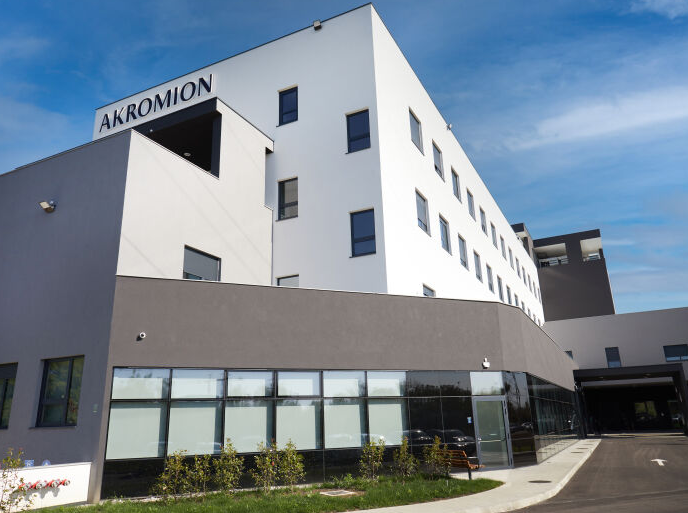
Akromion stands as the largest private hospital for orthopedics and traumatology in Croatia and a top choice for spine surgery in Croatia. Founded in 2008, the hospital operates a full neurosurgery department alongside orthopedics, radiology, anesthesiology, and physical therapy. The facility uses Stryker, Medtronic, and DePuy Synthes implants, and offers one-day surgery for select arthroscopic procedures.
Top spine doctor: Dr. Darko Perovic, neurosurgery specialist. Dr. Perovic handles complex spinal cases including disc herniation, spinal stenosis, lumbar fusion, and cervical procedures.
Strengths: In-house CT, MRI, ultrasound, and X-ray. Counter-current pool for hydrotherapy rehabilitation. Hotel-style inpatient accommodation. Partner availability for companions.
2. Agram Special Hospital
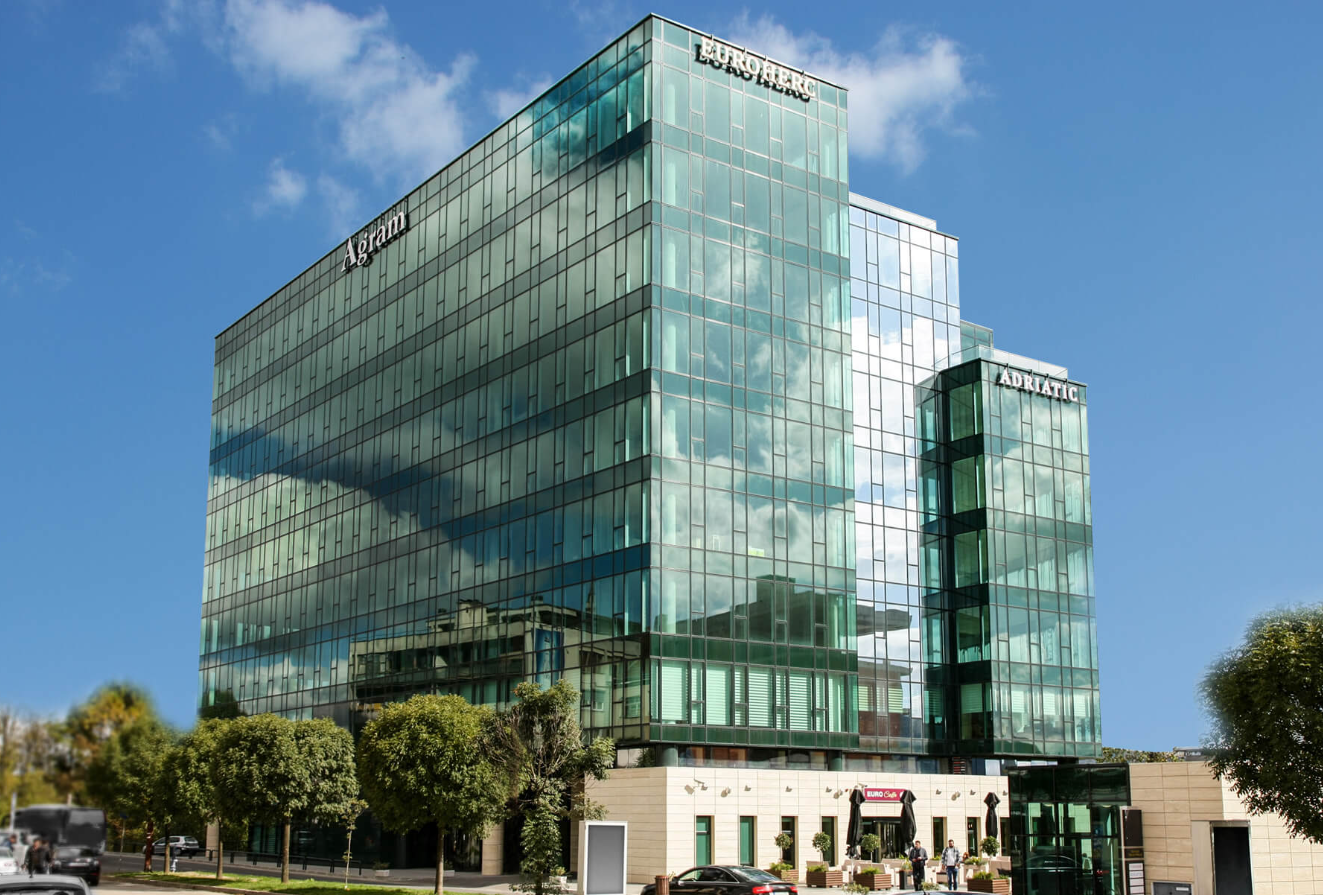
Agram represents the leading private healthcare system in Croatia with over 20 years of experience. Built on the legacy of Sunce Clinic, Agram covers neurosurgery, neurology, interventional radiology, internal medicine, and general surgery under one roof, which suits patients with complex comorbidities. The hospital introduced one-day general and laparoscopic surgery in 2018 and has served close to a million users.
Top spine doctor: Dr. Ivan Domazet, neurosurgeon. Dr. Domazet handles spinal decompression, microdiscectomy, and spinal stabilization cases for both Croatian and international patients.
Strengths: Multidisciplinary team for high-risk cases (cardiac, diabetic, elderly patients). Interventional radiology unit for image-guided spine procedures. Same-day diagnostic packages.
3. Preventis Polyclinic
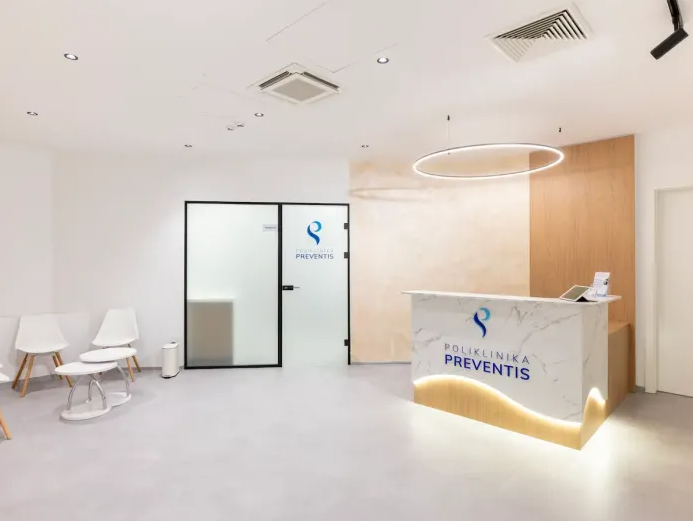
Preventis is the first private clinic for orthopedics, surgery, and traumatology in the western part of Zagreb, with dual locations at Zagrebačka cesta 227 and Rapska ulica 57. The clinic links closely with specialized hospitals for radiology, neurosurgery, and operative spine treatment when surgical intervention applies, and offers structured rehabilitation pathways.
Top spine doctors: Dr. Jure Serdar (orthopedic surgeon for hip, knee, foot, ankle, and spinal/sports injuries) and Dr. Tomislav Secan (trauma surgeon). Dr. Ankica Hrsan leads the physical medicine and rehabilitation arm for postoperative recovery.
Strengths: Strong physiatry team for conservative-first treatment. Direct triage from MRI review to surgical referral. Good fit for patients who want to confirm whether surgery is truly required.
4. Special Hospital Naftalan
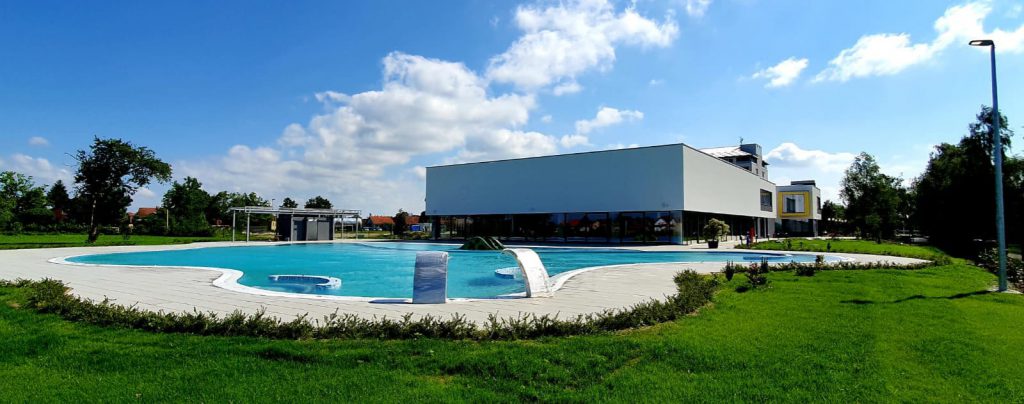
Located in Ivanić-Grad, 40 minutes east of Zagreb, Naftalan treats joint and spine diseases, inflammatory rheumatic conditions, and skin disorders. The hospital is unique in Europe for combining medical naftalan oil therapy with conventional rehabilitation, which makes it a strong post-surgical recovery destination for international patients who want a quieter setting outside the city. The facility holds 137 beds, of which 26 are luxury rooms.
Top spine doctor: Dr. Jakov Ivkovic, specialist in physical medicine and rehabilitation. Dr. Ivkovic supervises recovery programs for spinal degeneration, post-discectomy rehabilitation, and chronic back pain management.
Strengths: Spa-style postoperative rehabilitation. Ideal for patients staying 2 to 4 weeks after surgery. Strong reputation among Nordic, German, Russian, and Italian patients.
5. Poliklinika Kaliper
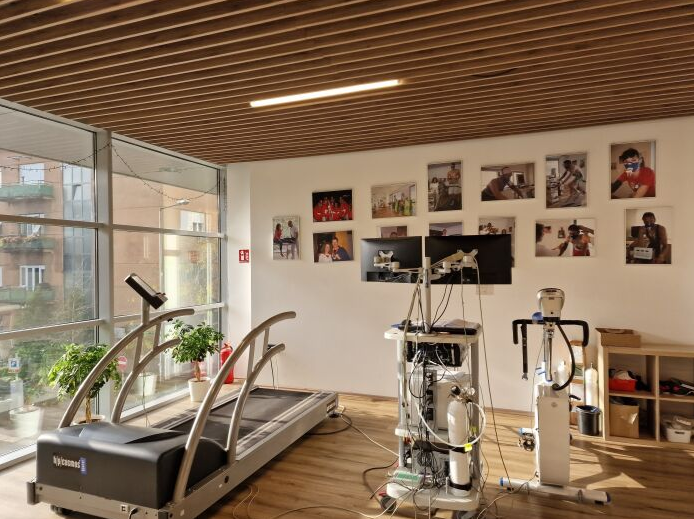
Kaliper specializes in physical medicine, rehabilitation, orthopedics, sports medicine, and recreation. The clinic founder, Dr. Nataša Desnica Pokupec, serves as chief physician of the Croatian ski team, which gives the rehabilitation team deep expertise in high-load spinal recovery for athletes and physically active adults. The team uses advanced rehabilitation technology and individualized recovery programs.
Top spine specialist: Dr. Nataša Desnica Pokupec, physical medicine and rehabilitation lead. Her work focuses on postoperative spinal recovery, conservative spinal pain management, and return-to-activity planning.
Strengths: Individualized rehabilitation. Excellent fit for patients combining surgery in Zagreb with high-quality follow-up rehabilitation. Strong sports medicine orientation.
6. Patela Clinic
Patela, founded in 2009 at Prisavlje 2 in Boćarski dom, brings together orthopedic examinations, physical rehabilitation, and sports diagnostics. The clinic suits patients who need clear evaluation before deciding on spine surgery, and structured rehabilitation after the procedure. Patela works with a network of orthopedic and spine surgeons and offers MRI/X-ray/ultrasound review as a starting point.
Top spine specialists: Prof. Sasa Jankovic and Dr. Trpimir Vrdoljak, both orthopedic surgeons. Dr. Sasa Bascevan leads the rehabilitation pathway.
Strengths: Strong second-opinion pathway before committing to surgery. Excellent rehabilitation. Suited for patients with chronic spinal pain who want a clear next-step plan rather than direct surgical referral.
Spine Surgery Procedures Offered in Croatia

Croatian neurosurgeons cover the full range of spinal interventions, from minimally invasive endoscopic procedures to multi-level fusion. The list below outlines the procedures most often requested by international patients.
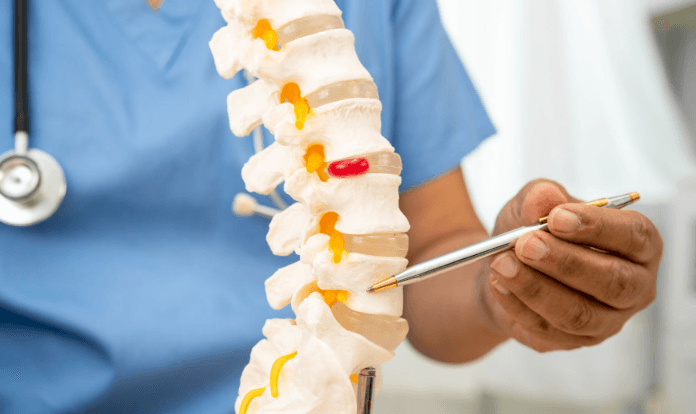
- Microdiscectomy: Removal of herniated disc material pressing on a spinal nerve. Common for lumbar disc herniation with radiating leg pain.
- Endoscopic Discectomy: Minimally invasive disc surgery through a tubular retractor. Faster recovery, smaller incision, often done as one-day surgery.
- Laminectomy: Removal of part of the vertebral bone (lamina) to relieve pressure on the spinal cord or nerves. Used for spinal stenosis.
- Foraminotomy: Widening of the foramen where nerve roots exit the spine, often combined with laminectomy.
- Lumbar Spinal Fusion (TLIF, PLIF, ALIF): Joining two or more vertebrae with bone grafts and pedicle screws. Used for instability, degenerative disc disease, and spondylolisthesis.
- Cervical Disc Replacement: Replacement of a damaged cervical disc with an artificial implant. Preserves motion better than fusion.
- Scoliosis Correction: Multi-level instrumented fusion to correct spinal curvature in adolescents and adults.
- Kyphoplasty and Vertebroplasty: Cement injection into a fractured vertebra to stabilize osteoporosis-related compression fractures.
- Laser Spine Surgery (PLDD): Percutaneous Laser Disc Decompression. Outpatient procedure for contained disc herniation.
- Spinal Decompression: General term covering laminectomy, foraminotomy, and discectomy combinations.
Who Is a Good Candidate for Spine Surgery in Croatia?
Not every back problem requires surgery, and reputable Croatian neurosurgeons will openly recommend conservative care when appropriate. Candidates who benefit most from spine surgery in Croatia usually share these clinical and practical traits.
- Confirmed structural diagnosis on MRI: herniated disc, spinal stenosis, spondylolisthesis, instability, scoliosis, or compression fracture.
- Persistent symptoms after 6 to 12 weeks of physical therapy, medication, and injections.
- Progressive neurological symptoms such as leg weakness, numbness, foot drop, or loss of bladder control.
- Mechanical instability shown on dynamic X-rays.
- Patients fit enough for general anesthesia (no severe uncontrolled cardiac or pulmonary disease).
- Long NHS or insurance waiting times that worsen the condition.
- Willingness to stay in Croatia for 7 to 14 days for recovery and follow-up.
Step-by-Step Process of Getting Spine Surgery in Croatia
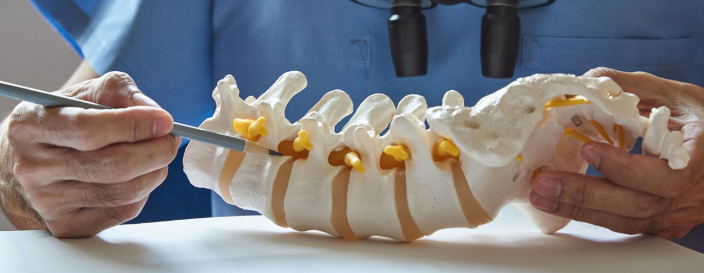
The pathway below shows what international patients experience from first contact to return home. Most cases follow this sequence within 7 to 10 days.
1. Remote Consultation and Case Review
Patients send MRI scans, X-rays, and medical history by email or WhatsApp. A neurosurgeon reviews the case within 24 to 72 hours and returns a treatment recommendation, cost quote, and timeline. A-Medical coordinates this step at no cost.
2. Treatment Plan and Scheduling
Once the patient confirms, the clinic books surgery date, hospital admission, hotel accommodation, and airport transfers. International patients usually arrive 1 to 2 days before surgery for in-person consultation and pre-operative tests.
3. Pre-Operative Tests in Zagreb
Blood work, ECG, anesthesiology review, and updated imaging happen on arrival day. The neurosurgeon confirms the surgical plan in person.
4. Surgery Day
Most spinal procedures take 1 to 4 hours under general anesthesia. Minimally invasive cases may use spinal or epidural anesthesia. Patients move to recovery, then to a private hospital room.
5. Hospital Stay
Microdiscectomy and endoscopic discectomy: 1 to 2 nights. Laminectomy: 2 to 3 nights. Spinal fusion: 3 to 5 nights. Scoliosis: 5 to 7 nights. All Croatian private hospitals offer single rooms with companion bed.
6. Post-Surgery Recovery in Zagreb
Patients move from hospital to a 4-star or 5-star hotel for 3 to 7 nights, with physiotherapy sessions, wound checks, and final consultation before discharge. Some patients book Naftalan for longer rehabilitation.
7. Return Home and Remote Follow-Up
Patients fly home with a full English-language medical report, imaging discs, and a written rehabilitation plan. Croatian surgeons usually offer 3, 6, and 12-month remote video follow-ups.
Recovery Timeline After Spine Surgery
Recovery depends on the surgery type, age, fitness, and the size of the structural problem. The general timeline below applies to most uncomplicated cases.
- Days 1 to 3: Hospital stay. Walking with assistance from day 1 in most cases. Pain controlled with oral medication.
- Days 4 to 14: Hotel or home rest. Short walks, no bending or lifting more than 5 kg. Driving usually not allowed.
- Weeks 2 to 6: Outpatient physical therapy 2 to 3 times per week. Return to desk work around week 3 to 4.
- Weeks 6 to 12: Gradual return to light exercise (swimming, walking, stationary cycling).
- Months 3 to 6: Return to running, gym, and most sports for discectomy and decompression patients.
- Months 6 to 12: Full recovery for spinal fusion and scoliosis correction patients.
How to Choose the Right Clinic
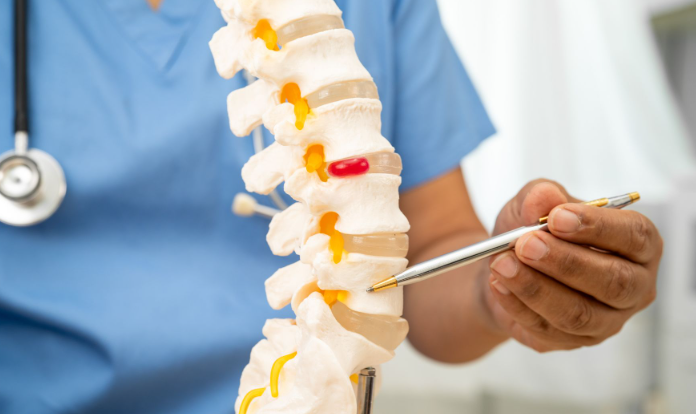
Clinic selection makes a bigger difference than country selection for spinal outcomes. The criteria below help international patients filter properly.
- Confirm the surgeon's neurosurgical or orthopedic spinal fellowship credentials. Strong candidates trained in Germany, Austria, Switzerland, the US, or Japan.
- Check the clinic's annual case volume. Reputable spine surgeons perform at least 150 to 250 spine procedures per year.
- Confirm the implant brand. Medtronic, Stryker, DePuy Synthes, NuVasive, and Zimmer Biomet are global standards.
- Ask about complication rates and revision rates. Reputable clinics share these openly.
- Verify English-speaking nursing staff, not just an English-speaking surgeon.
- Check the rehabilitation pathway. Strong rehabilitation matters more than surgical technique for long-term outcome.
- Look for written, itemized quotes. Avoid clinics that quote one number without breakdown.
What A-Medical Coordinators See in Practice
Many patients arrive in Croatia with the wrong surgical recommendation from their home country. A-Medical's medical coordinators see the same pattern: patients told they need a 2-level lumbar fusion in the UK often qualify for a single-level microdiscectomy in Croatia after a fresh MRI review. The reason matters. Croatian private neurosurgeons rely less on a fusion-first approach because their compensation does not depend on procedure volume in the same way as in the US system. Patients should always request a second opinion from a Croatian surgeon before booking complex fusion abroad.
Another practical insight: the best time to come is March to May or September to October. Summer (June to August) is tourist-heavy in Zagreb, which raises hotel rates by 30% to 40%. December and January can be cold but cheap, and Zagreb's Christmas market makes recovery walks more pleasant.
Patients comparing destinations often weigh Croatia against Turkey, Spain, and Poland. The detailed cross-country breakdown is available in the Best and Cheapest Countries for Spine Surgery Abroad guide.
Travel, Visa, and Stay Details for International Patients
- Flights: Zagreb Airport (ZAG) connects daily to London, Frankfurt, Munich, Vienna, Amsterdam, Paris, Rome, Istanbul, and Doha.
- Visa: UK, US, Canadian, EU, Australian, New Zealand, GCC, and most South American passport holders enter Croatia visa-free for up to 90 days.
- Currency: Croatia uses the Euro (€) since 2023. Cards work everywhere in Zagreb.
- Language: Croatian. English fluency is high among medical staff and in central Zagreb hotels.
- Accommodation: Mid-range hotels run €70 to €120 per night. 5-star hotels (Esplanade, Sheraton) run €180 to €280.
- Insurance: Travel insurance with medical coverage helps but Croatia does not require it for entry.
Risks and Complications of Spine Surgery
Spine surgery carries real risks, even with experienced surgeons. International patients should weigh them honestly before booking.
- Infection at the surgical site (1% to 3% risk).
- Dural tear with cerebrospinal fluid leak (1% to 4% risk).
- Nerve injury causing new numbness, weakness, or pain.
- Failed back surgery syndrome (persistent pain after surgery).
- Hardware failure or implant loosening, particularly in fusion patients.
- Adjacent segment disease after fusion (the level above or below wears faster).
- Blood clots (DVT) during long-haul flights home, which is why most surgeons advise patients to stay in Croatia for at least 7 to 10 days post-surgery.
Why International Patients Choose A-Medical for Spine Surgery in Croatia
A-Medical coordinates the full pathway with vetted Croatian clinics, which removes the friction of researching surgeons, requesting quotes, and arranging logistics from abroad.
- Direct access to top neurosurgeons in Zagreb without waiting lists or referral chains.
- Transparent pricing with itemized written quotes, no hidden fees, and the most affordable rate guarantee.
- Pre-vetted clinics with surgical volume, modern implants, and English-speaking medical staff.
- Airport VIP pickup and private transfers between hotel, hospital, and clinic.
- Accommodation arrangements in 4 or 5-star hotels near the chosen clinic.
- Multilingual coordinators available 24/7 in English, German, Arabic, Russian, and Turkish.
- Free pre-treatment online consultation and MRI review.
- Post-treatment remote follow-up with the surgeon and rehabilitation tracking.
- Single-point coordination from first email to home-country recovery.
Book a free online consultation with an A-Medical spine coordinator. Send your MRI report today and receive a detailed quote, surgeon match, and treatment plan within 24 hours.
Frequently Asked Questions
How much does spine surgery in Croatia cost in 2026?
Costs range from €3,000 for laser spine surgery (PLDD) up to €18,000 for scoliosis correction. Lumbar spinal fusion typically costs €8,500 to €13,000, which is 60% to 80% less than UK private and US prices.
How long should I stay in Croatia after spine surgery?
Plan for 7 to 14 days in total. Minimally invasive cases (microdiscectomy, endoscopic discectomy) need 5 to 7 days. Fusion and scoliosis patients should stay 10 to 14 days to clear DVT risk before flying.
Are Croatian spine surgeons internationally trained?
Yes. Most senior Croatian neurosurgeons completed fellowships in Germany, Austria, Switzerland, the US, or Japan. Clinics like Akromion and Agram run neurosurgery departments led by surgeons with 15 to 25 years of international practice.
Do Croatian hospitals accept international insurance?
Most private clinics work on a self-pay basis with a written invoice that patients can submit to their home insurer for reimbursement. Some EU insurers reimburse cross-border care under the EU Cross-Border Healthcare Directive.
What language do doctors and nurses speak in Zagreb clinics?
Croatian is the native language. Neurosurgeons and senior staff at private clinics speak fluent English. Some clinics also offer German and Italian-speaking staff. Patient coordinators handle all written communication in English.
Can I get a second opinion before traveling to Croatia?
Yes. Croatian clinics offer free remote MRI review and case consultation. A-Medical coordinates this directly with the neurosurgeon, usually within 24 to 72 hours of receiving the imaging files.
Is Croatia safe for medical tourism?
Croatia is an EU member state with strict healthcare regulation, EU medical device standards, and EMA-approved pharmaceuticals. Crime rates are low. Zagreb consistently ranks among the safest European capitals for tourists.
What happens if I have a complication after returning home?
Croatian surgeons provide 12 months of remote follow-up by video call. The medical report patients receive on discharge contains all surgical and implant details, which any home-country physician can use for ongoing care.
Can a family member stay with me during the hospital stay?
Yes. All listed private clinics provide companion beds or nearby apartment-style accommodation. Akromion and Agram both offer family member rooms within the hospital.