Contents
A torn meniscus is the most common knee injury, and most patients recover well after arthroscopic surgery. Meniscus Surgery in Croatia costs €2,400 to €3,500 at Zagreb private hospitals. The same operation costs £4,000 to £6,000 in the UK private sector and $7,000 to $12,000 in the United States. NHS patients wait 6 to 12 months for elective knee arthroscopy. Zagreb private clinics confirm a surgery date within 2 weeks after MRI review. Patients from the UK, Ireland, Germany, Austria, and the Gulf travel to Croatia because the surgeons handle high volumes of sports knee injuries, the recovery is fast, and the total trip costs less than the surgery alone at home.
What A-Medical Includes in Your Croatia Trip
A-Medical handles the full process from first quote to final follow-up. Here is what every patient gets:
- Fixed-price quote in writing. Surgeon, anaesthesia, hospital, implant if needed, and physiotherapy. No markup on clinic invoices.
- Surgery date in 2 weeks. Confirmed booking after MRI review, instead of months on a public waiting list.
- Free online pre-consultation. Talk to the operating surgeon before you commit to anything.
- Airport VIP pickup. Driver meets you at Franjo Tudjman Airport and takes you to the clinic or hotel.
- Hotel booking sorted. 4 or 5-star hotels within 10 minutes of the clinic, for you and your companion.
- English-speaking coordinator 24/7. One contact for every question, every day of your trip.
- Top-rated Zagreb surgeons. Matched to your case based on injury type, age, and activity goals.
- Remote follow-up after you fly home. Video calls with your surgeon at week 2, week 6, and month 3.
Why Patients Choose Meniscus Surgery in Croatia
Croatia joined the European Union in 2013 and entered the Schengen area in January 2023. Zagreb private hospitals apply EU medical device regulations, run ISO 9001 quality systems, and operate under Directive 2011/24/EU on cross-border healthcare. UK, Irish, German, and Italian patients get the same regulatory framework they recognise at home, just at lower cost.
Surgical volume matters. Akromion alone performs several thousand knee arthroscopies each year. Croatian knee surgeons treat athletes from the national football team, handball team, and water polo team. Many publish in Knee Surgery, Sports Traumatology, Arthroscopy and present at ESSKA congresses. The technique used in Zagreb mirrors what surgeons use in Munich, Vienna, or London.
Concrete advantages for international patients
- Surgery scheduled within 2 weeks after MRI review.
- Total trip cost (surgery + flights + hotel) lower than the surgery alone in UK private sector.
- English-speaking surgeons trained in Austria, Germany, Italy, and the United States.
- Same-day discharge in most cases. Patient walks out of hospital the same evening.
- Direct flights to Zagreb from 25+ European cities.
- 17-minute drive from Franjo Tudjman Airport to most private orthopaedic hospitals.
Meniscus Surgery in Croatia: 2026 Cost Breakdown
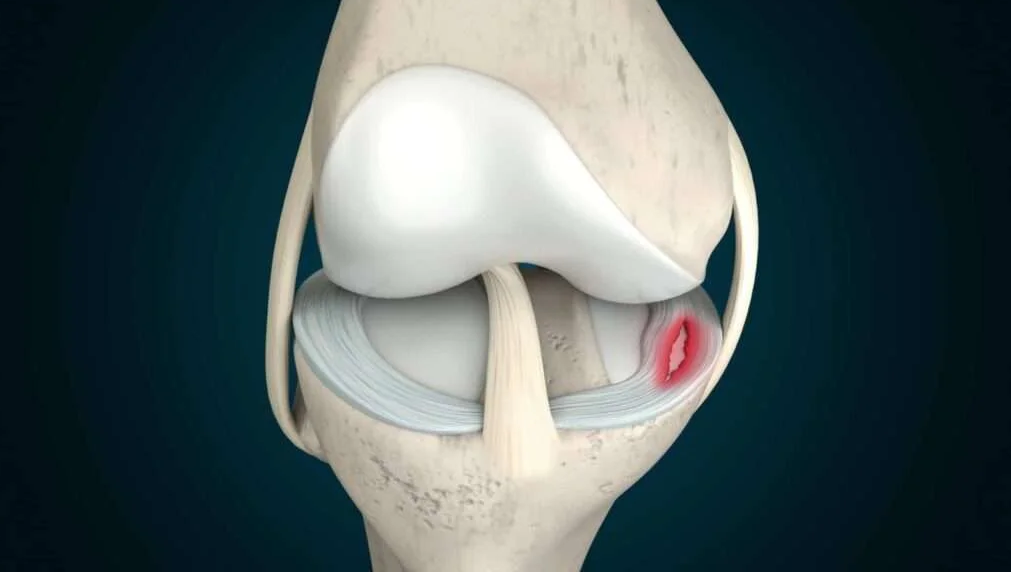
Zagreb private hospitals publish package prices. The numbers below cover the full procedure, hospital stay, and basic physiotherapy.
- Standard meniscus repair: €2,400 to €2,900. Arthroscopic stitching or trimming of a torn meniscus. The most common case.
- Complex meniscus repair: €3,000 to €3,500. Root tears, bucket-handle tears, or repair combined with ligament work.
- Meniscus transplant (allograft): €5,500 to €7,500. Rare cases where the meniscus is missing or fully degenerated.
- Partial meniscectomy: €2,400 to €2,800. Removal of the damaged portion when the tear cannot heal.
What the package covers
- Surgeon fee, anaesthesia, and operating theatre.
- All disposable instruments and any meniscus repair devices (sutures, anchors, all-inside implants).
- Hospitalisation, usually same-day discharge or one overnight.
- Pain medication, dressings, and crutches.
- First physiotherapy session before discharge and written rehabilitation plan.
- Remote follow-up with the operating surgeon at week 2, week 6, and month 3.
Meniscus Surgery prices: Croatia vs other countries
|
Country |
Meniscus Repair Price |
Public Waiting Time |
Hospital Stay |
|---|---|---|---|
|
Croatia |
€2,400 to €3,500 |
2 weeks private |
Same day to 1 night |
|
United Kingdom |
£4,000 to £6,000 |
6 to 12 months NHS |
Same day |
|
United States |
$7,000 to $12,000 |
Insurance dependent |
Same day |
|
Germany |
€4,500 to €7,000 |
3 to 6 weeks private |
Same day to 2 nights |
|
Ireland |
€3,500 to €5,500 |
12 to 24 months public |
Same day |
|
Turkey |
$2,500 to $4,000 |
2 weeks private |
Same day |
Three factors explain the price gap. Operating room costs in Croatia run lower than in Western Europe. EU implant distributors supply the same arthroscopic devices to Zagreb hospitals at competitive prices. Surgeon overhead in Croatian private practice stays below German or UK levels. Surgical technique and graft quality remain the same.
Final cost varies based on the type of tear, whether the surgeon repairs or removes the damaged tissue, and any combined procedures such as cartilage repair or PRP injection.
Send your MRI to A-Medical and get a written quote within 24 hours. The price you see is the price you pay.
Types of Meniscus Surgery Performed in Croatia
The right procedure depends on the location of the tear, the patient's age, blood supply to the meniscus, and the activity goals. Croatian knee surgeons cover all standard techniques.
Meniscus repair (suture)
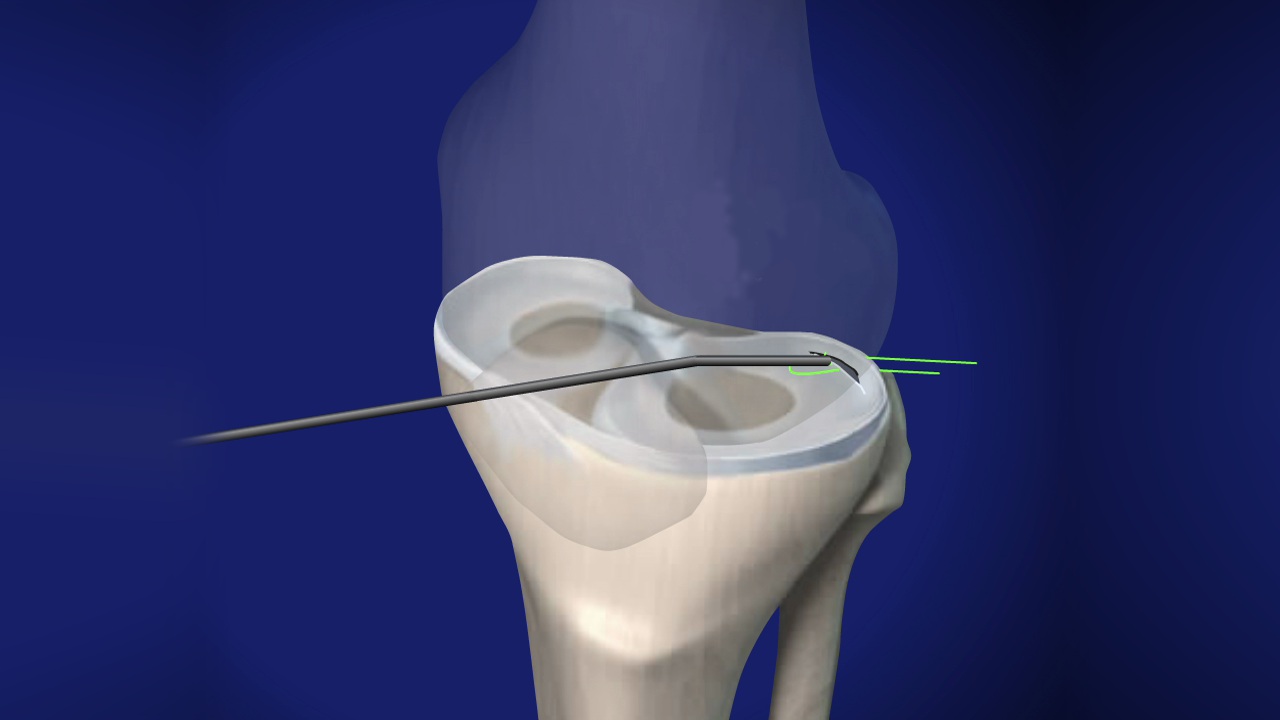
The surgeon stitches the torn meniscus back together using small implants placed through arthroscopic portals. This option saves the meniscus and prevents long-term cartilage damage. Repair works best for tears in the outer third of the meniscus, where blood supply is good. Cost in Croatia: €2,400 to €2,900.
Partial meniscectomy
The surgeon trims only the damaged part of the meniscus and preserves the healthy portion. Used when the tear is in the inner zone with poor blood supply, or when repair would not hold. Recovery is faster than repair (2 to 4 weeks back to light activity), but long-term cartilage protection is lower. Cost in Croatia: €2,400 to €2,800.
Meniscus root repair
Root tears detach the meniscus from its bone attachment. If left untreated, the joint loses its shock absorber within months and arthritis develops fast. Repair uses transtibial pullout sutures or suture anchors. Cost in Croatia: €3,000 to €3,500.
Meniscus transplant (allograft)
Donor meniscus replaces a missing or fully degenerated meniscus. Reserved for younger patients (under 50) who have had a previous meniscectomy and develop early arthritis. Few centres in Europe offer this, and Akromion is one of them. Cost in Croatia: €5,500 to €7,500.
Combined ACL and meniscus surgery
Around 30 percent of ACL tears come with a meniscus injury. The surgeon repairs both during the same operation. Cost in Croatia: €4,500 to €6,500 depending on graft choice.
Best Clinics for Meniscus Surgery in Croatia
Zagreb hosts the highest concentration of arthroscopic knee surgery in Croatia. The clinics below all perform high volumes of meniscus surgery and accept international patients with English-language coordination.
Akromion Special Hospital for Orthopaedics and Traumatology
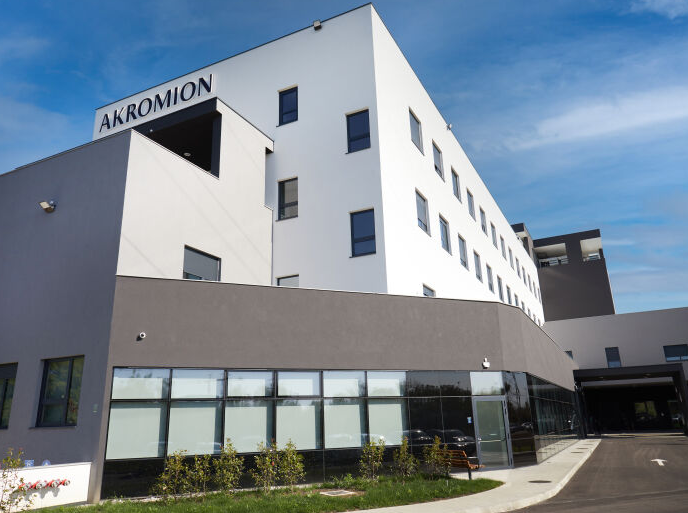
Akromion has operated since 2008 and treats the largest single volume of knee arthroscopy in Croatia. The hospital introduced one-day surgery early and runs an in-house rehabilitation centre with a counter-current pool. X-ray, ultrasound, CT, and MRI sit in the same building, so MRI on arrival and surgery the next day is a standard pathway. Akromion is also one of few European centres that performs meniscus allograft transplantation.
Leading meniscus surgeons at Akromion: Dr. Denis Trsek (knee and ankle arthroscopy specialist), Prof. Dr. Miroslav Haspl (knee, cartilage, sports surgery), Dr. Trpimir Vrdoljak (ACL, meniscus, anterolateral ligament work), Dr. Nenad Medancic (sports injuries, knee).
Patela Clinic
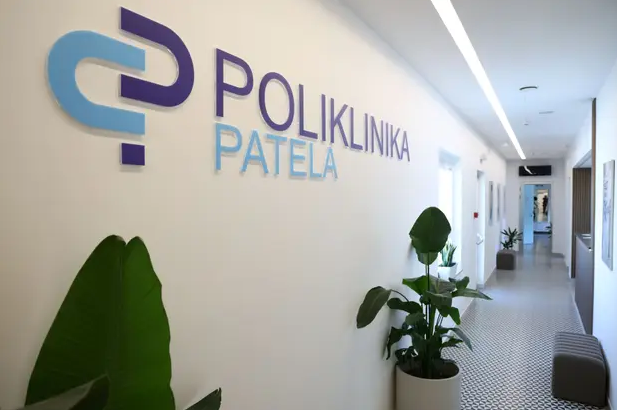
Patela Clinic focuses on orthopaedic examinations, sports diagnostics, and rehabilitation of joint injuries. The clinic suits patients who want the same surgeon to handle MRI review, surgery, and early rehab, with no handover gaps. Patela handles a steady caseload of meniscus repairs and partial meniscectomies, often in athletes from the Balkans region.
Leading meniscus surgeons at Patela: Dr. Sasa Jankovic (knee arthroscopy, meniscus, sports trauma), Dr. Trpimir Vrdoljak (joint reconstruction, meniscus repair).
Preventis Polyclinic
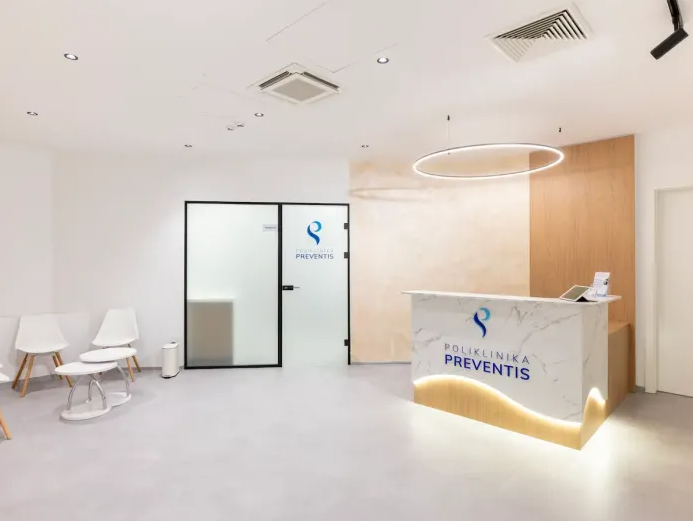
Preventis is the largest private orthopaedic and rehabilitation clinic in the western Zagreb region. The clinic runs two locations and partners with leading Zagreb hospitals for complex surgical cases. In-house physiotherapy makes the first week of recovery smoother. Preventis suits patients who want everything from MRI to physio in one building.
Leading meniscus surgeons at Preventis: Dr. Tomislav Secan (trauma surgeon, knee arthroscopy, fractures), Dr. Jure Serdar (hip, knee, ankle, sports injuries).
Agram Special Hospital
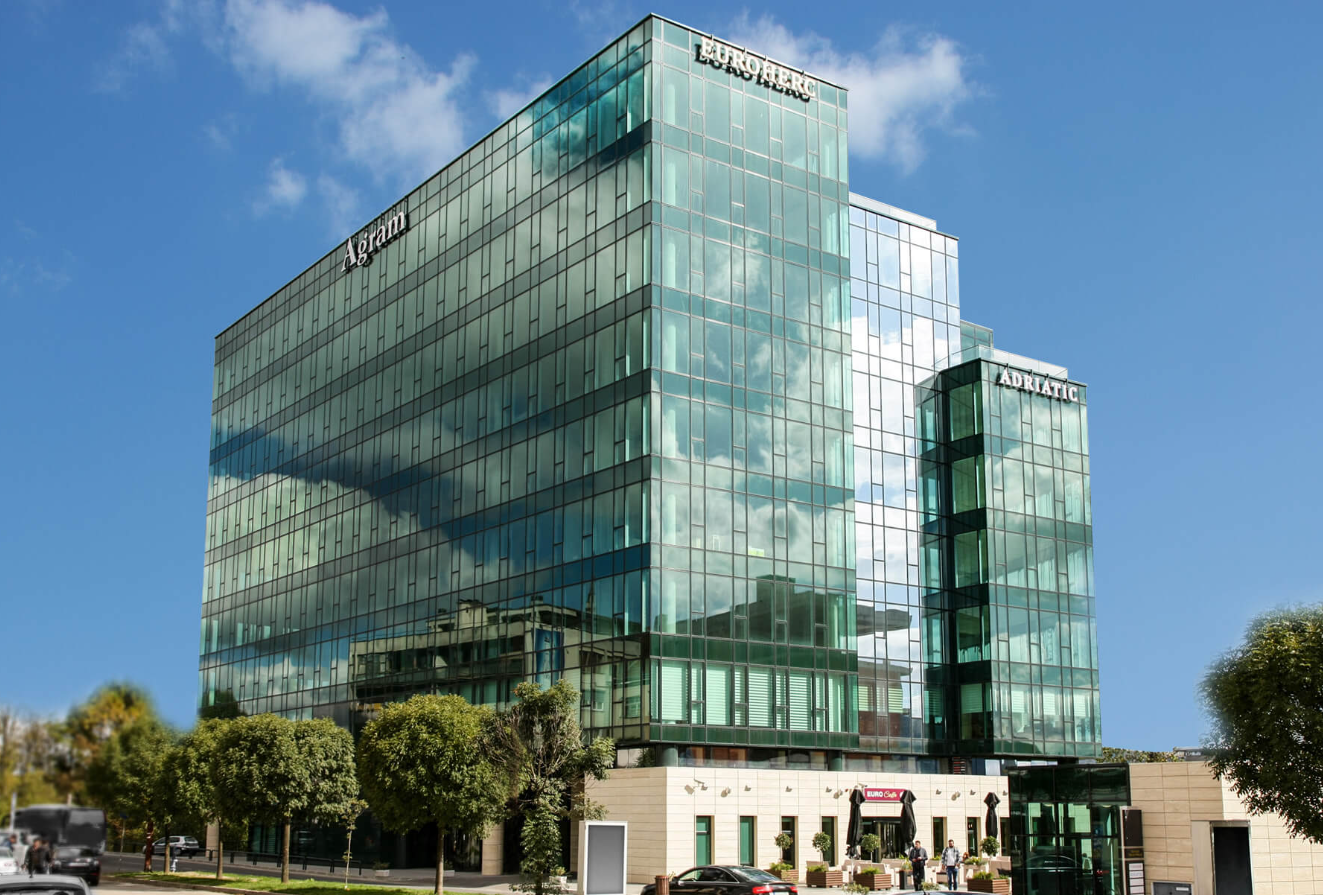
Agram Hospital has operated for over two decades and forms the largest integrated private healthcare network in Croatia. The hospital takes a team approach to knee injuries, with orthopaedics, traumatology, radiology, and physical medicine under one roof. Agram serves Croatian top-flight football and handball teams as a contracted provider, which keeps its surgeons exposed to high-level sports knee injuries.
Strengths: Same-day diagnosis and surgical planning, sports medicine partnerships, structured rehabilitation programme.
Kaliper Polyclinic
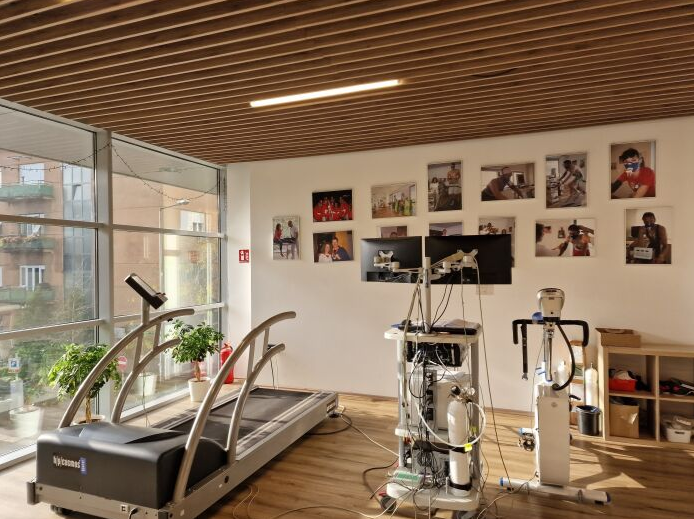
Kaliper combines physical medicine, rehabilitation, orthopaedics, and sports medicine in one practice. Good fit for patients who want surgery and return-to-sport training in the same place. The clinic handles a high volume of meniscus cases each year and works closely with amateur and competitive athletes.
Strengths: Sports medicine focus, hands-on physiotherapy team, return-to-play conditioning protocols.
Bagatin Clinic
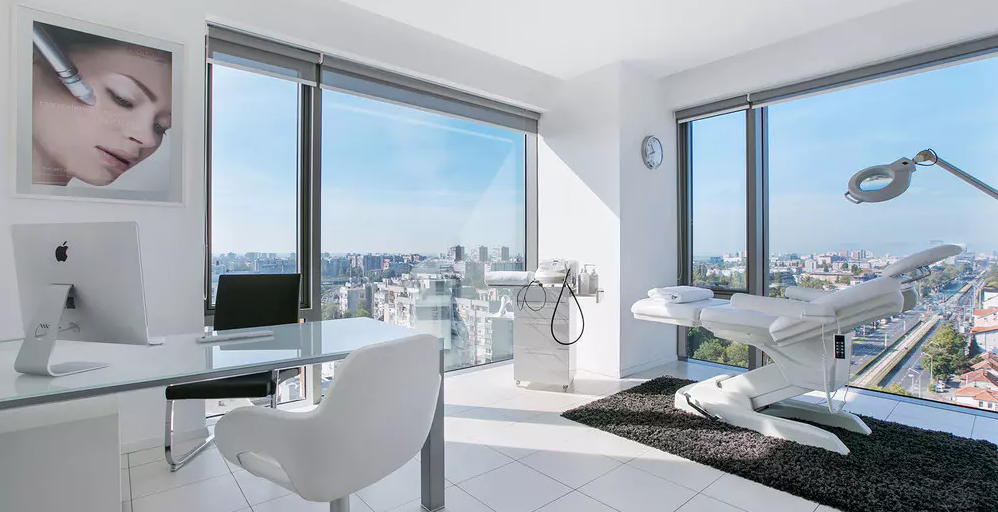
Bagatin operates as a multispecialty clinic in central Zagreb. Orthopaedics runs alongside aesthetic surgery, dentistry, and dermatology. Good choice for patients who travel with companions and want a central location with hotel-grade facilities. Bagatin holds ISO 9001 certification and applies strict postoperative monitoring protocols.
Strengths: Central Zagreb location, ISO 9001 certification, multilingual coordination, premium patient experience.
Top Orthopaedic Surgeons in Croatia for Meniscus Surgery
Outcomes correlate with surgeon caseload. Surgeons performing more than 200 knee arthroscopies per year have lower complication rates and better repair success than low-volume operators. Croatia concentrates its highest-volume knee surgeons in Zagreb private hospitals.
- Dr. Denis Trsek. Knee and ankle arthroscopy specialist at Akromion. High volume of meniscus repairs and partial meniscectomies, strong patient review record.
- Prof. Dr. Miroslav Haspl. Knee, cartilage, and sports surgery specialist at Akromion. University lecturer in orthopaedics. Handles complex meniscus cases including root tears and combined ligament work.
- Dr. Trpimir Vrdoljak. Works between Akromion and Patela. Performs combined ACL plus meniscus repairs for athletes returning to pivoting sports.
- Dr. Sasa Jankovic. Knee surgeon at Patela. International patient base. Focuses on individualised treatment plans and arthroscopic precision.
- Dr. Tomislav Secan. Trauma surgeon at Preventis. Performs knee arthroscopy, meniscus surgery, and fracture work.
- Dr. Nenad Medancic. Orthopaedic surgeon at Akromion covering shoulder, hip, knee, and sports injuries. Strong patient review record.
How Meniscus Surgery in Croatia Is Performed
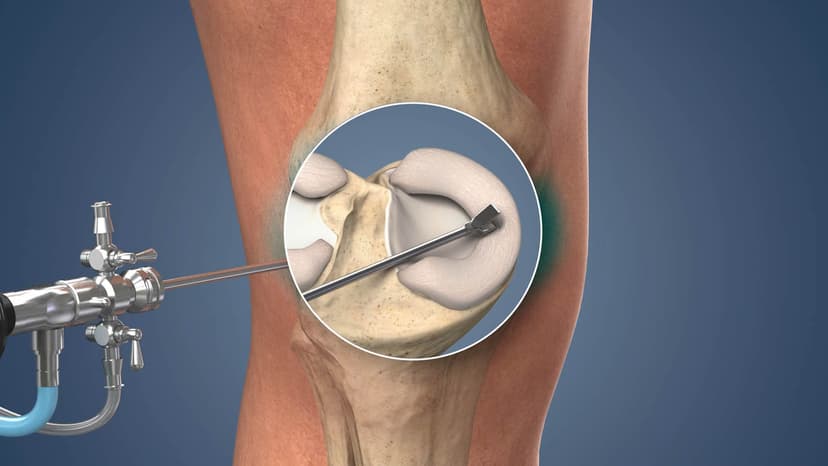
Croatian surgeons use the same arthroscopic technique used in Munich, Zurich, and London. The operation takes 30 to 60 minutes under spinal or general anaesthesia. The surgeon makes two or three small incisions (around half a centimetre each) and inserts a camera and instruments.
What happens during the operation
- Anaesthesia setup (15 to 20 minutes).
- Two or three 5-millimetre incisions around the kneecap.
- Camera inserted through one portal, instruments through others.
- Surgeon inspects the meniscus, cartilage, ligaments, and synovium.
- Tear treated by stitching (repair) or trimming (partial meniscectomy).
- Wash-out of the joint, removal of any loose fragments.
- Skin closed with one stitch per portal.
- Bandage, ice, recovery room. Discharge later that day in most cases.
Step-by-step timeline of the trip
- Day 1: arrival in Zagreb, transfer to clinic, preoperative blood work and anaesthesia consultation.
- Day 2: surgery in the morning. Most patients walk with crutches by the afternoon and go home the same day.
- Days 3 to 4: outpatient review, wound check, first physiotherapy session, written rehab plan.
- Day 5 or 6: return flight home with surgeon's clearance.
Recovery and Rehabilitation Timeline
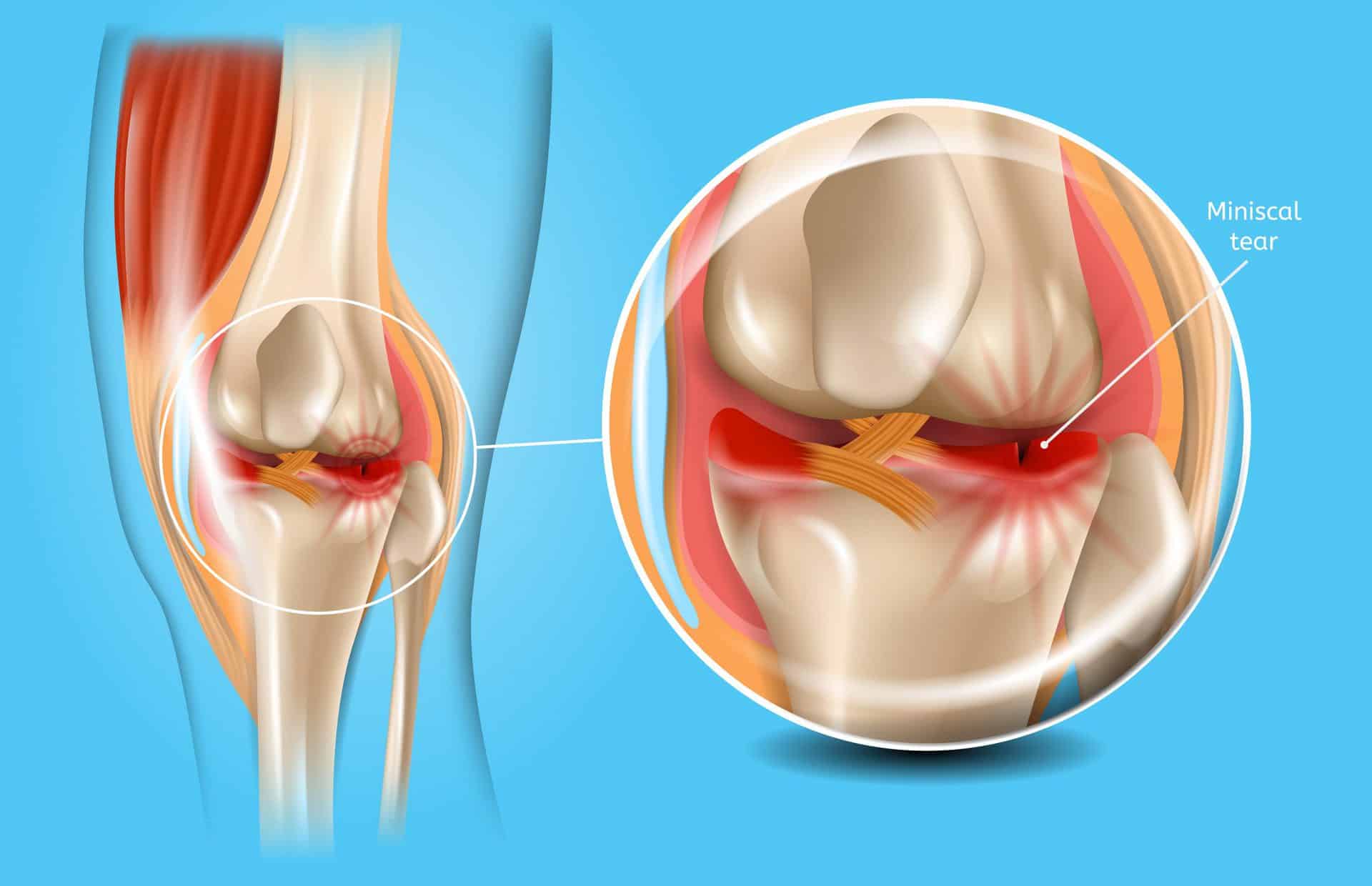
Recovery time depends on whether the meniscus was repaired or trimmed. Repair takes longer to heal because the stitched tissue needs time to integrate. Partial meniscectomy heals faster because there is less tissue to protect.
Recovery after meniscus repair
- Weeks 1 to 2: Crutches, brace locked at limited flexion, ice and elevation, ankle pumps, gentle quadriceps activation.
- Weeks 3 to 6: Progressive weight bearing, range-of-motion exercises, static cycling, no twisting motions.
- Weeks 6 to 12: Full weight bearing, gym work, swimming, controlled resistance training.
- Months 3 to 6: Running progression, sport-specific drills.
- Month 6 onwards: Return to pivoting sport with surgeon clearance.
Recovery after partial meniscectomy
- Days 1 to 7: Crutches as needed, ice, walking around the house.
- Weeks 2 to 4: Return to desk work, light walking, static cycling.
- Weeks 4 to 8: Gym work, swimming, light running.
- Weeks 8 to 12: Return to most sports including running, cycling, and skiing.
How Long to Stay in Croatia After Meniscus Surgery
Most international patients plan a 5 to 6 day trip. One day before surgery, surgery day, one to two follow-up days, then home. Same-day discharge is the rule for partial meniscectomy. Repair cases sometimes stay one night in hospital.
Air travel within 5 days of surgery is safe with prophylactic anticoagulation, hourly cabin walks, and compression stockings. Long-haul flights to North America or the Gulf are best delayed to day 7 or 8.
Visa and Travel Process for International Patients
Croatia joined the Schengen area in January 2023. Citizens of the UK, Ireland, the EU, the EEA, Switzerland, the United States, Canada, Australia, and most Gulf countries enter without a visa for stays under 90 days. The patient needs a valid passport, hotel booking confirmation, and a clinic invitation letter that confirms the medical purpose of the trip.
Patients who require a Schengen visa apply through the Croatian embassy in their country of residence and submit the clinic invitation letter, MRI report, and proof of funds. Processing takes 10 to 15 working days.
Practical travel notes
- Franjo Tudjman Airport (ZAG) sits 17 kilometres from central Zagreb. 25-minute drive depending on traffic.
- Direct flights from London, Manchester, Dublin, Frankfurt, Munich, Vienna, Milan, Paris, Amsterdam, and Istanbul. Two to three hours from most Western European hubs.
- Best months for surgery and rehab are May, June, September, and October.
- Companion hotel costs €60 to €130 per night in mid-range Zagreb hotels.
How to Choose the Right Clinic for Meniscus Surgery in Croatia
The right clinic depends on the type of tear, the surgeon's annual caseload, and the postoperative support needed at home. Use these criteria as a filter rather than relying on online ratings alone.
- Surgical volume: The surgeon should perform at least 200 knee arthroscopies per year, with a high proportion involving meniscus work.
- Repair-first mindset: Modern surgeons try to repair the meniscus before removing tissue. Ask whether the surgeon will attempt repair if anatomy allows.
- Imaging on site: MRI access in the same building speeds the diagnostic phase and shortens the trip.
- Rehabilitation pathway: In-house physiotherapy gives a smoother first week. Ask for the written postoperative protocol before booking.
- Remote follow-up: The surgeon should agree to video consultations at week 2, week 6, and month 3 minimum.
- English communication: Both surgeon and coordinator should communicate in English without an interpreter.
Risks and Complications of Meniscus Surgery
Meniscus surgery is one of the safest orthopaedic procedures. International registry data places the overall complication rate at under 2 percent. Croatian outcomes track these international averages.
Possible complications
- Infection of the surgical site or joint (less than 1 percent of cases).
- Deep vein thrombosis, especially in patients flying within 48 hours of surgery without prophylaxis.
- Repair failure or re-tear. Around 10 to 15 percent of meniscus repairs need revision over 5 years.
- Persistent pain or swelling, addressed with physiotherapy or follow-up arthroscopy.
- Stiffness or restricted range of motion, more common in repair than in partial meniscectomy.
- Nerve injury, most commonly transient saphenous nerve numbness on the inner side of the knee.
Croatia Versus Other Meniscus Surgery Destinations
Each country has its strengths. Croatia stands out for the combination of EU regulatory framework, short flight access from Western Europe, and pricing significantly below German or UK private rates.
Croatia versus Turkey
Turkey offers lower prices, often $2,500 to $4,000, and strong orthopaedic volume. Croatia wins on EU regulatory framework, English-language hospital culture in private settings, and shorter flight times for Western European patients.
Croatia versus Germany
Germany leads on equipment grade and sub-specialised university hospitals. Croatia delivers the same arthroscopic technique at roughly half the price, with similar surgeon experience in private settings. Patients who prioritise cost over institutional name pick Croatia and save weeks on the waiting list.
Croatia versus Lithuania and Poland
Lithuania and Poland offer comparable prices and similar surgical standards. Croatia has the edge for patients flying from Italy, Austria, Germany, or the Adriatic region thanks to closer geography and Zagreb's position as a European flight hub.
Croatia versus the United Kingdom
UK private meniscus surgery costs £4,000 to £6,000 with limited waits. NHS patients wait 6 to 12 months. Croatia delivers the same EU-standard procedure at €2,400 to €3,500 with a 2-week surgery date, often costing less than half the UK private fee even after flights and hotel.
Expert Opinion: What Croatian Knee Surgeons Emphasise
Croatian knee specialists raise three points consistently in patient consultations and published commentary. First, the choice between repair and partial meniscectomy should follow the anatomy, not the surgeon's habit. The outer third of the meniscus has good blood supply and heals well after repair. The inner two-thirds has poor blood supply, and trimming gives a more predictable outcome. Modern surgeons attempt repair first whenever the tear pattern allows.
Second, root tears change everything. A root tear functionally removes the entire meniscus from its mechanical role. Long-term studies show that untreated root tears lead to rapid joint narrowing and arthritis within 3 to 5 years. Croatian surgeons such as Dr. Denis Trsek and Prof. Miroslav Haspl emphasise active screening for root tears on MRI and aggressive repair when found, even in patients in their 50s and 60s.
Third, the long-term cost of cutting out too much meniscus shows up 10 to 15 years later as cartilage damage. A patient who keeps their meniscus through repair often avoids a knee replacement later in life. The short-term recovery is harder for repair than for trimming, but the long-term joint health is significantly better. Croatian protocols mirror what high-volume centres in Switzerland and Germany use, with phased rehabilitation rather than time-based criteria.
Send your MRI to A-Medical and get a written quote within 24 hours. Surgical opinion from a Zagreb knee specialist, no commitment required.
Frequently Asked Questions
How much does Meniscus Surgery in Croatia cost in 2026?
Standard meniscus repair or partial meniscectomy costs €2,400 to €3,500. Complex root repairs cost €3,000 to €3,500. Meniscus transplant costs €5,500 to €7,500. The package covers surgeon, anaesthesia, hospital stay, and initial physiotherapy.
How long do I need to stay in Zagreb?
Most patients plan 5 to 6 days. One day before surgery, surgery day with same-day discharge in most cases, one to two follow-up days, then home.
Will the surgeon repair my meniscus or remove the torn part?
That depends on the location of the tear and the blood supply. Tears in the outer third of the meniscus usually heal after repair. Tears in the inner two-thirds usually need trimming. The surgeon confirms the plan after reviewing your MRI and inspecting the joint during arthroscopy.
Are Croatian orthopaedic hospitals accredited?
Major Zagreb private hospitals operate under EU medical device regulations and ISO 9001 quality systems. Croatia is bound by EU Directive 2011/24/EU on cross-border healthcare, which extends patient rights and safety oversight to EU and EEA citizens.
Can I fly home a few days after meniscus surgery?
Yes. With surgeon clearance, prophylactic anticoagulation, and compression stockings, most patients fly within 4 to 5 days after partial meniscectomy. Repair cases may extend to 6 or 7 days. Long-haul flights to North America or the Gulf are best delayed to day 7 or 8.
Do I need a visa to enter Croatia for surgery?
Citizens of the UK, Ireland, the EU, EEA, Switzerland, the US, Canada, Australia, and most Gulf countries enter without a visa for stays under 90 days. Other nationalities apply for a Schengen visa with the clinic invitation letter and MRI report.
Which surgeon does the most meniscus operations in Croatia?
Dr. Denis Trsek and Prof. Dr. Miroslav Haspl at Akromion carry the highest documented knee arthroscopy volumes in Croatia. Dr. Sasa Jankovic at Patela and Dr. Tomislav Secan at Preventis also handle substantial annual caseloads.
How soon can I return to running and sport?
After partial meniscectomy: light running at 4 to 6 weeks, full sport at 8 to 12 weeks. After meniscus repair: light running at 3 to 4 months, full pivoting sport at 6 months with surgeon clearance.
What if my meniscus tear is too damaged to repair?
If the tear cannot be stitched, the surgeon performs a partial meniscectomy and removes only the damaged tissue. For younger patients who have already had a meniscectomy and develop early arthritis, Akromion offers meniscus allograft transplantation as an advanced option.