Contents
What Is CAR T-Cell Therapy?
CAR-T cell therapy abroad refers to traveling to another country to receive a personalized immunotherapy in which a patient’s own T-cells are genetically modified to attack cancer cells. It is typically considered for patients with relapsed or treatment-resistant blood cancers.
Unlike standard chemotherapy, CAR-T is highly specialized and only available in advanced oncology centers. Access often depends on national approval rules, waiting times, and financial eligibility. For many families, this is why exploring CAR-T cell treatment abroad becomes a practical option rather than a preference.
When evaluating options, patients should focus on eligibility criteria, hospital experience, and access timelines. The scientific mechanism matters, but access speed and infrastructure are usually more decisive in cross-border decisions.
How CAR T-Cell Therapy Works?
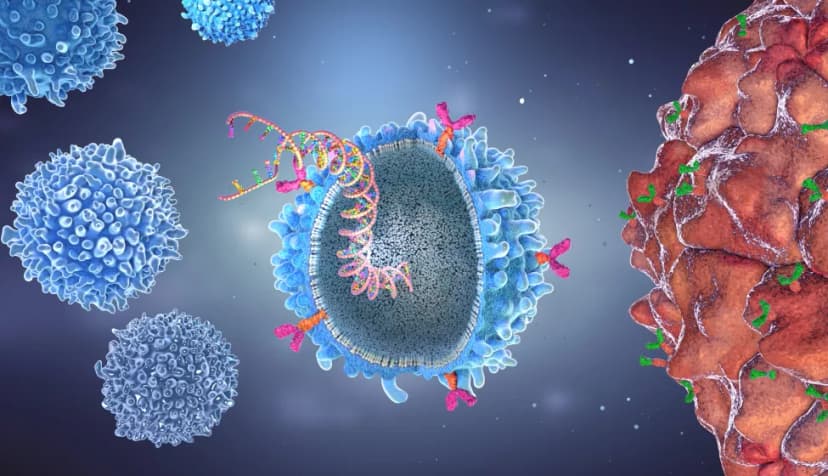
The CAR T-cell treatment begins with collecting immune cells from the patient. These cells are genetically modified in a laboratory to recognize specific cancer markers. After expansion, they are reinfused into the patient.
Before reinfusion, patients receive short-term chemotherapy to prepare the body. Hospitalization is mandatory after infusion due to potential side effects. Monitoring typically lasts at least 10 to 14 days.
For patients considering CAR-T cell therapy abroad, coordination is critical. Manufacturing timelines, visa processes, and accommodation planning must align. Delays in cell production can extend total stay abroad.
Types of CAR T-Cell Therapy
CAR-T therapies differ based on the cancer target they attack. Most approved products focus on blood cancers.
Main categories include:
- CD19-targeted therapies for leukemias and lymphomas
- BCMA-targeted therapies for multiple myeloma
- Experimental or dual-target CAR-T therapies available in clinical trials
When choosing CAR-T cell treatment abroad, confirm whether the therapy is fully approved in that country or offered within a clinical trial. Regulatory status directly affects long-term safety data and insurance coverage.
What Cancers Can Be Treated with CAR-T Therapy?

Currently, CAR-T therapy is primarily used for specific blood cancers.
Treatable cancers include:
- B-cell Acute Lymphoblastic Leukemia (ALL)
- Diffuse Large B-Cell Lymphoma (DLBCL)
- Mantle Cell Lymphoma
- Follicular Lymphoma
- Multiple Myeloma
Solid tumors are still largely experimental. When researching CAR-T cell therapy abroad, patients should confirm that their exact diagnosis matches an approved indication in the chosen country.
CAR T-Cell Therapy Risks and Side Effects
CAR-T therapy can cause serious immune reactions. The most common complication is cytokine release syndrome, which may require intensive care monitoring.
Neurological side effects may also occur, including temporary confusion or speech difficulty. Most severe reactions appear within the first two weeks after infusion.
For anyone considering CAR-T cell treatment abroad, hospital infrastructure matters more than marketing claims. ICU availability and experience in managing complications are essential safety criteria.
Why Patients Travel Abroad for CAR-T Cell Therapy
Many patients pursue CAR-T cell therapy abroad because access in their home country is limited. Public systems may restrict eligibility or have long waiting lists.
Key reasons include:
- Faster scheduling compared to domestic healthcare systems
- Lower overall pricing in certain countries
- Access to therapies not yet approved locally
- Broader eligibility criteria in some regions
- Availability of structured international packages
Platforms like A-Medical help patients compare countries and clinics systematically. For high-risk treatments, professional coordination reduces administrative delays and documentation errors.
CAR-T Cell Therapy Abroad vs Treatment at Home
Choosing between domestic care and CAR-T cell therapy abroad requires structured comparison. The decision should not be based solely on price.
Treatment at home offers continuity with your existing oncology team. Follow-up appointments are easier to manage, and emergency access is geographically closer. Insurance integration is often simpler.
In contrast, CAR-T cell treatment abroad may provide faster access or lower upfront costs. Some countries offer therapies not yet available locally. However, international travel during immune suppression increases infection risk and logistical complexity.
Another critical factor is post-treatment coordination. After returning home, local oncologists must be willing to monitor CAR-T–related complications. Without structured communication between clinics, response to delayed side effects may be slower.
Before deciding, evaluate:
- Total pathway cost including travel and living expenses
- Hospital ICU capability
- Regulatory approval status of the therapy
- Experience level of the treatment center
- Post-treatment follow-up coordination
The best decision depends on urgency, budget, and domestic access limitations.
What to Expect from CAR-T Cell Therapy Abroad
Most patients stay abroad between four and six weeks. The first phase includes consultations, laboratory tests, and T-cell collection.
After cell manufacturing, patients are admitted for conditioning chemotherapy and infusion. Although the infusion itself is short, monitoring requires extended hospitalization. Discharge usually occurs after medical stabilization.
Patients should plan accommodation for at least one accompanying family member. Living costs are often not included in medical quotes. Flexible travel arrangements are advisable in case hospitalization is extended.
As A-Medical, we structure the CAR-T cell therapy abroad process before the patient travels by first arranging a formal pre-consultation with the treating oncologist, submitting all medical records for specialist review, and confirming whether the patient is medically eligible for CAR-T treatment. Once eligibility is verified, we obtain a written, itemized treatment quotation directly from the hospital to eliminate hidden costs related to ICU care, hospitalization, or additional procedures. If the patient approves the plan, we coordinate the full pathway, including appointment scheduling, medical visa support, travel logistics, accommodation arrangements, and treatment timeline management. Throughout the process, we act as the central coordination point between the patient and the clinic to ensure documentation accuracy, scheduling efficiency, and continuity of communication until discharge and return home.
When exploring best clinics for CAR-T cell therapy abroad, ask about case volume and complication rates. Experienced centers typically manage side effects more efficiently and shorten hospital stays.
CAR-T Cell Therapy Cost Worldwide
Costs of CAR-T cell therapy vary widely depending on country, product type, and hospital infrastructure.
Average total costs:
- United States: $450,000 – $700,000
- Germany: $300,000 – $450,000
- Spain: $100,000 – $200,000
- Israel: $80,000 – $120,000
- China: $40,000 – $80,000
- Turkey: $150,000 – $250,000
When researching CAR-T cell therapy abroad, request written cost breakdowns. ICU days and complication management may significantly increase the final amount.
Cheapest Countries for CAR-T Treatment
Among the countries listed, China is generally considered the cheapest country for CAR-T cell therapy abroad, particularly within clinical trial frameworks. However, lower pricing must be balanced against regulatory oversight, language barriers, and follow-up coordination. The cheapest option is not automatically the safest or most suitable.
Best Countries for CAR-T Cell Therapy
Israel

Israel is frequently considered a best and cheapest country when evaluating the best country for CAR-T cell therapy abroad due to its integrated oncology infrastructure. Hospitals such as Sheba Medical Center combine research and clinical care within one system.
The country benefits from centralized advanced cancer centers. Clinical teams often participate in international trials and publish outcomes. This research-driven environment increases confidence in protocol quality.
Patients may prefer Israel for relatively faster scheduling compared to some EU countries. English communication is widely available, which simplifies international coordination. Costs remain high but typically below U.S. pricing.
Spain

Spain offers regulated CAR-T programs within selected hospitals such as Centro Médico Teknon, where CAR-T costs start from approximately €100,000 depending on indication and hospitalization length.
Spain operates under European regulatory standards, providing structured oncology governance. Major centers in Barcelona and Madrid have established hematology departments with international patient services.
Spain may appeal to patients seeking EU-level treatment quality with more moderate pricing than Northern Europe. Administrative procedures for non-residents should be clarified before travel.
United States

The United States offers the broadest range of approved CAR-T products and clinical trials. Leading institutions such as Mayo Clinic provide CAR-T programs with costs starting from approximately $500,000.
The U.S. is often referenced when discussing the best clinics for CAR-T cell therapy abroad due to its high case volume and advanced ICU infrastructure. Published outcome data and trial access are extensive.
The main limitation is cost. For patients prioritizing maximum product availability and established protocols, the United States remains a leading but expensive option.
Germany

Germany integrates CAR-T therapy into university hospital systems with strict medical governance. One example is Helios Hospital Berlin-Buch, where CAR-T treatment costs typically start from €350,000.
Patients often choose Germany for its structured oncology processes and strong intensive care standards. Multidisciplinary tumor boards and regulated protocols increase procedural transparency.
Germany may be suitable for patients seeking high European standards and advanced hospital infrastructure. Financial planning is essential due to high overall costs.
China

China has become a major destination for lower-cost CAR-T programs. Facilities such as Fuda Cancer Hospital in Guangzhou report estimated costs between $40,000 and $80,000.
This pricing structure makes China the most frequently considered option when searching for the cheapest country for CAR-T cell therapy abroad. Access to treatment can also be faster than in many Western systems.
However, regulatory pathways and product standardization may vary. Patients must verify approval status, clinical data, and follow-up care arrangements before committing.
Turkey

Turkey offers competitive pricing and modern oncology infrastructure. Several private hospitals provide CAR-T programs for international patients.
Turkey may be attractive for patients seeking more affordable CAR-T cell therapy abroad compared to Western Europe. Geographic proximity simplifies travel for patients from Europe and the Middle East.
Before choosing Turkey, confirm product sourcing, regulatory approval, and hospital case volume. Cost advantage should always be balanced with safety and experience.
Best CAR-T Cell Therapy Clinics Abroad
The best clinics for CAR-T cell therapy abroad commonly cited for international patients include Mayo Clinic (USA), Helios Hospital Berlin-Buch (Germany), Centro Médico Teknon (Spain), and Fuda Cancer Hospital (China).
In the United States, Mayo Clinic offers comprehensive CAR-T programs with costs starting from approximately $500,000 and access to multiple FDA-approved products. In Germany, Helios Hospital Berlin-Buch provides CAR-T treatment within a highly regulated university-hospital framework, with starting costs around €350,000. In Spain, Centro Médico Teknon offers CAR-T programs from approximately €100,000 depending on indication and hospitalization duration. In China, Fuda Cancer Hospital reports estimated CAR-T treatment costs between $40,000 and $80,000, making it one of the lowest-cost options for CAR-T cell treatment abroad. These centers are frequently considered when researching CAR-T cell therapy abroad due to their infrastructure, international patient services, and defined pricing structures.
Everything You Should Know About CAR-T Cell Therapy
CAR-T cell therapy abroad combines advanced oncology treatment with international logistics. The decision requires evaluation of cost, speed, infrastructure, and follow-up coordination.
The most common mistake is focusing only on price. A structured comparison based on regulatory approval, hospital expertise, and complication management capacity leads to safer decisions.
Selecting the best country for CAR-T cell therapy abroad depends on urgency, diagnosis, and financial capacity. Careful verification and professional coordination significantly reduce uncertainty.
How A-Medical Can Help?
At A-Medical, we manage the entire CAR-T cell therapy abroad process through structured medical and logistical coordination:
- Arrange an official pre-consultation with the treating oncologist before travel.
- Submit and organize all medical records for specialist review and eligibility confirmation.
- Obtain a written, itemized treatment quotation directly from the hospital with no hidden costs.
- Clarify total pricing, including hospitalization, ICU care, and potential complication management.
- Coordinate appointment scheduling and align timelines with cell manufacturing.
- Provide support for medical visa documentation and travel planning.
- Organize accommodation and local logistics for the patient and accompanying family member.
- Act as the central communication point between the patient and clinic throughout treatment.
Our role is to reduce uncertainty, eliminate administrative delays, and ensure that the CAR-T cell treatment abroad journey is medically verified and transparently managed from start to discharge.