Contents
Alternatives to Stem Cell Therapy for Autism
Autism spectrum disorder affects millions of children worldwide, but the experience of each family is deeply personal. When progress feels slow or inconsistent, parents often search for something more. Stem cell therapy frequently appears in that search, promising fast results and offering hope for new possibilities. While the scientific community continues to evaluate its long-term outcomes, families in several countries have reported positive results. Still, many prefer to start with established therapies before exploring more advanced or medical interventions.
In recent years, Turkey has achieved notable success in treating autism with stem cell therapy, attracting attention from families around the world. Despite these advancements, some parents prefer to explore non-invasive, therapy-based interventions first. This choice often stems from a desire to better understand their child's needs through gradual, structured support.
Read: Best Countries for Autism Treatment
Why No Single Autism Treatment Works for Every Child
Every child with autism has a unique developmental profile. That is not a generalization, it is a clinical fact. Some children speak fluently but struggle with social cues. Others are nonverbal but highly responsive to visual learning. These differences make it impossible for one treatment to fit all.
Instead of chasing a universal fix, families and professionals must build support systems around the child’s specific needs. That includes understanding their sensory profile, cognitive strengths, and how they engage with the world. When this process is done right, the child is not forced into a program, the program is shaped around the child.
It is also why two children in the same therapy can have very different outcomes. The key is not just what the therapy is, but how it is delivered, when it starts, and who is involved. Timing, intensity, and family participation directly affect results.
What Families Often Expect From Stem Cell Therapy but Actually Need
Stem cell therapy sounds promising on the surface. It suggests transformation. Families hear testimonials that feel relatable. They want to believe this is the solution. In some countries, clinical teams have reported encouraging results when using stem cell therapy under controlled conditions. For certain families, it has provided a turning point in their child’s development.
At the same time, the number of countries offering high-quality autism care through stem cell therapy is increasing globally. Facilities in regions like Eastern Europe, the Middle East, and parts of Asia are emerging as hubs for families seeking advanced interventions. These developments show promise but also highlight the importance of informed decision-making.
While many families explore stem cell options, others start with behavioral or educational interventions. These approaches offer a clear structure, measurable goals, and proven impact on communication, daily skills, and behavior. Choosing the right path depends on the child’s needs, the family’s priorities, and available resources.
What Are the Alternatives to Stem Cell Therapy for Autism?
There are multiple established therapies that help children with autism make measurable progress. Each one supports specific aspects of development. Instead of chasing breakthroughs, these therapies focus on building foundations.
Applied Behavior Analysis (ABA) Therapy
Applied Behavior Analysis (ABA) focuses on teaching skills through structured reinforcement. Therapists break goals into small, achievable steps. When the child meets a step, they receive positive reinforcement. This method helps children learn daily living tasks, communication, and behavior regulation.
ABA is most effective when delivered early and consistently. Programs typically run 20 to 40 hours per week. Certified behavior analysts design each plan based on the child’s specific needs and adjust it as they progress.
Families should be involved in ABA planning and carry over strategies at home. Recent models also emphasize a more naturalistic and respectful approach, helping make ABA more balanced and child-centered.
Developmental and Relationship-Based Interventions
Developmental interventions like DIR/Floortime shift the focus from compliance to connection. Therapists and caregivers join the child at their developmental level, using play to build engagement and shared attention.
This model encourages emotional growth, joint interaction, and social awareness. Instead of correcting behaviors, it supports the child in understanding and connecting with others. It is especially effective for children who struggle with anxiety in structured settings.
Consistency is crucial. These therapies work best when used daily, not just in clinic sessions. Parents are trained to use the same strategies during regular routines, helping their children grow in natural environments.
Speech and Language Therapy
Speech and language therapy addresses both verbal and non-verbal communication challenges. For children who can speak, therapy focuses on expanding vocabulary, forming sentences, and improving conversation skills. For non-speaking children, therapists introduce tools like PECS or speech-generating devices.
These interventions do more than improve language. They give children a voice. Communication reduces frustration, improves social connection, and empowers the child to express their needs.
Therapy should include real-world practice. Children learn best when they apply communication skills during daily interactions, not only in structured sessions.
Occupational Therapy for Sensory and Daily Living Skills
Occupational therapy helps children with autism manage sensory input and master daily routines. Many children on the spectrum have difficulty processing sounds, textures, or movement. OT programs target these challenges directly.
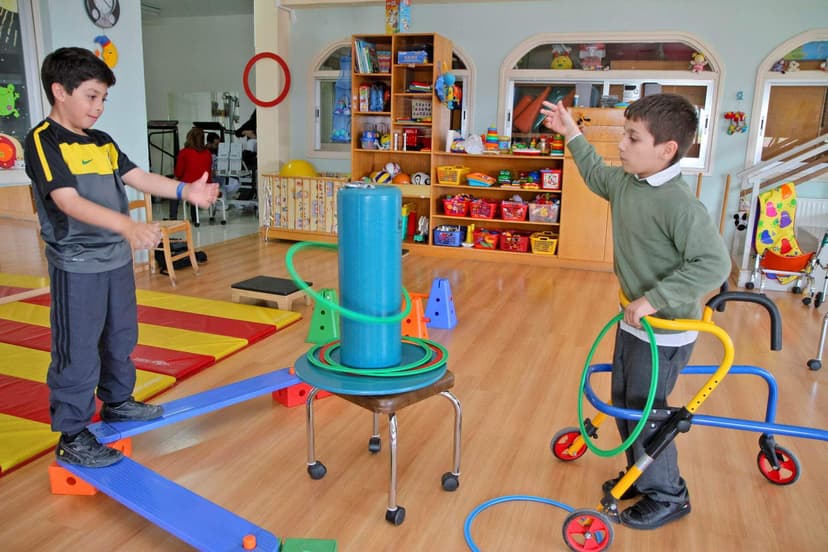
For example, a child who avoids certain clothing textures might practice desensitization techniques. Another who struggles with coordination might work on gross motor activities using swings or balance beams.
Goals are always practical. Therapists work on skills like feeding, hygiene, writing, and organization. These gains help children function more independently at home and school.
Special Education and School-Based Autism Support
Schools are legally required to support children with autism through Individualized Education Programs (IEPs). These plans include academic goals, behavioral strategies, and necessary accommodations.
Special education teachers collaborate with therapists and families to create consistent routines and learning supports. These can include visual schedules, sensory breaks, and social skills groups.
Strong school partnerships make a major difference. When teachers, aides, and parents share information and align strategies, children experience less confusion and more stability.
Parent Training and Home-Based Intervention Programs

Parent-led interventions empower families to deliver therapy during daily life. Programs like the Early Start Denver Model combine play and structured teaching to build early developmental skills at home.
Parent coaching focuses on routines like meals, bedtime, and playtime. These moments become opportunities to reinforce skills in a natural setting. Research shows children make faster progress when parents use consistent techniques.
This approach also reduces stress. When parents feel confident managing behavior and supporting learning, the entire household benefits.
Medical and Psychiatric Management of Co-Occurring Conditions
Many children with autism also have co-occurring conditions such as attention deficit hyperactivity disorder, anxiety, or epilepsy. Addressing these conditions can improve focus, behavior, and overall wellbeing.
Medical professionals prescribe treatments only when symptoms significantly impact daily life. Common interventions include behavioral therapy, medication, or a combination of both. Collaboration between physicians and therapists ensures care remains balanced and safe.
Families should receive clear explanations of any diagnosis and how each treatment fits into the child’s larger plan. The goal is not just symptom reduction, but improved quality of life.
Dietary and Nutritional Interventions in Autism Care
Nutrition can play a supportive role in autism care. Some children benefit from dietary adjustments, especially when there are allergies or gastrointestinal symptoms involved. However, restrictive diets like gluten-free or casein-free should be guided by professionals.
There is limited evidence for dramatic behavioral changes from diet alone. However, correcting nutritional deficiencies, treating gut issues, and maintaining balanced meals can support regulation and focus.
Families considering supplements or major diet changes should consult registered dietitians or pediatricians. Individualized plans are safer and more effective than general restrictions.
When Combining Therapies Is More Effective Than Choosing One
Therapies work best when they support each other. A child might gain communication tools from speech therapy, behavior regulation from ABA, and sensory comfort from occupational therapy, all at the same time.
This coordinated care model is more effective than isolated efforts. Therapists must communicate and share progress, adjusting goals together. Parents play a central role in linking these approaches across settings.
Look for clinics and programs that offer integrated care or actively collaborate with other professionals. Unified strategies reduce confusion and help children apply what they learn in different environments.
What Questions Parents Should Ask Before Choosing Any Autism Treatment
Before starting any therapy, parents should ask key questions:
- Is this approach backed by clinical research?
- What outcomes should we expect and how are they measured?
- Who delivers the treatment and what are their qualifications?
Parents should also ask how family members are included and how progress is tracked. If a provider avoids transparency, that is a red flag. Reliable programs provide data, set clear expectations, and adjust based on the child’s response.
Costs, time commitment, and insurance coverage are also critical. A good plan is realistic for the family, not just ideal on paper.
How to Avoid Wasting Time and Money on Ineffective Autism Interventions
Parents can protect their time and finances by focusing on evidence-based care. Programs that promise fast results or guarantee improvement often lack scientific backing.
Avoid interventions that require large upfront payments without clear structure or follow-up. Be cautious with international clinics offering unapproved medical procedures. If a treatment is not regulated, it is not automatically unsafe, but it does require careful vetting.
Reputable providers explain risks, set achievable goals, and include parents in every step. Families should prioritize programs that build long-term skills, not short-term hope.
How A-Medical Can Help?
A-Medical is an international medical tourism company that helps families access high-quality healthcare abroad. We specialize in matching families with leading clinics for autism treatment, particularly in areas like stem cell therapy, behavioral health, and developmental support.
Our services include:
- Personalized clinic matching based on your child's profile
- Full travel and treatment planning support
- Access to licensed specialists and accredited hospitals
We offer both in-person and remote coordination for therapies, medical evaluations, and follow-up care.