Contents
Top 5 Cheapest and Best Countries for All-on-4 Dental Implants
If you are searching for all on 4 dental implants abroad, you are not alone. Thousands of patients from the US, UK, Canada and Europe travel internationally every year to restore their smiles at a fraction of the cost they would pay at home. As a medical tourism company with years of hands-on experience, A-Medical has helped hundreds of patients find the right clinic, the right country and the right price for their all-on-4 dental implants treatment.
In this guide, we break down the five cheapest countries for all-on-4 dental implants, compare real clinic prices, name specific clinics worth considering and explain exactly what you should look for before booking your treatment. Whether you are comparing the cost of all-on-4 dental implants abroad or trying to decide between Turkey, Hungary, Croatia or another destination, this article gives you the information you need to make a confident decision.
What is All-On-4 Dental Implants?
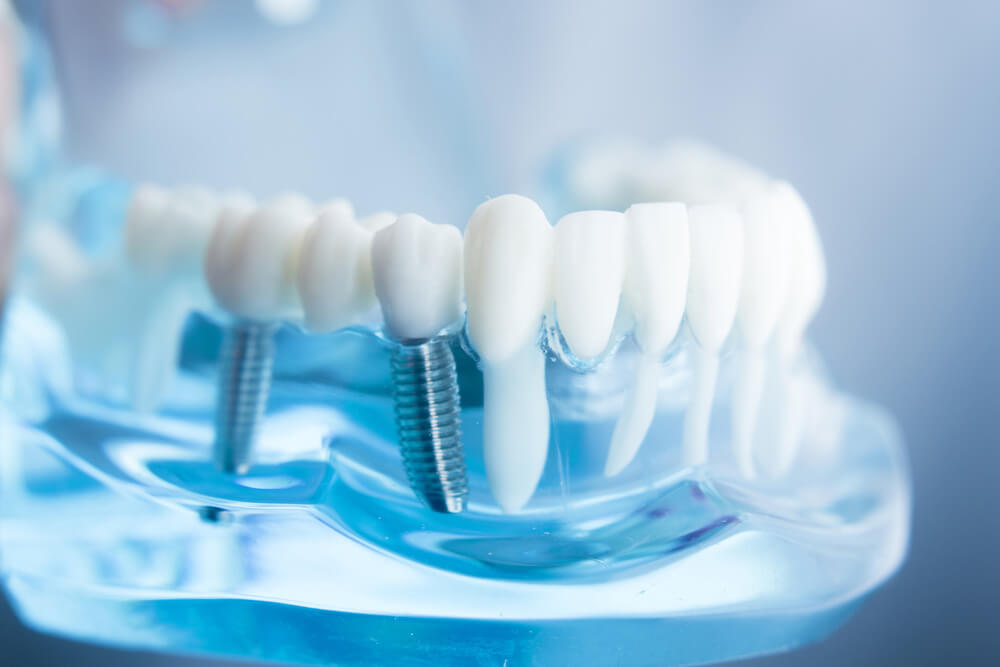
All-on-4 dental implants are a full-arch restoration method designed for patients who have lost most or all of their teeth, or who need their remaining teeth extracted due to severe decay or gum disease. The procedure uses four strategically placed titanium implants per jaw to support a fixed prosthetic bridge that looks and functions like natural teeth. Unlike removable dentures, an implant all on 4 solution is permanently fixed in your mouth, so you can eat, speak and smile with full confidence.
Two of the four implants are typically angled at 30 to 45 degrees in the posterior region of the jaw. This angled placement maximises bone contact and often eliminates the need for bone grafting, which reduces both the overall treatment time and the all on 4 dental implants cost abroad. Most patients receive a temporary fixed bridge on the same day as surgery and return for a permanent zirconia or porcelain bridge after the healing period of three to six months.
You Will Find in This Article
This article covers the five most affordable countries for all on 4 dental implants abroad in 2026, complete with average price ranges, recommended clinics, materials used and what each destination offers beyond the dental chair. We also include a direct comparison with prices in the US, UK and Germany so you can see exactly how much you stand to save. If you are also exploring other implant options, our guide on the best and cheapest countries for All-on-6 dental implants covers a similar breakdown for six-implant solutions.
Why is it Worth Looking Abroad for All-on-4 Dental Implants?
In the United States, a single-jaw All-on-4 procedure typically costs between $20,000 and $30,000. In the UK, you are looking at GBP 15,000 to GBP 25,000. In Canada, the range is CAD 20,000 to CAD 35,000. These prices put full-mouth restoration out of reach for a large number of patients who genuinely need it.
Countries like Turkey, Azerbaijan, Hungary and Croatia offer the same procedure, often using identical implant brands such as Straumann, Nobel Biocare and Osstem, at prices that start from around EUR 3,450 per jaw. The savings are not a reflection of lower quality. They result from significantly lower operating costs, competitive labour markets, favourable exchange rates and government incentives that support medical tourism infrastructure.
Turkey, for example, performed over 1.2 million medical tourism procedures in 2024 alone. Hungarian dental clinics near the Austrian border have served Western European patients for decades. These are established, proven healthcare ecosystems with internationally trained specialists, modern imaging technology and strict regulatory oversight. Getting affordable dental implants abroad is not a compromise. For many patients, it is a smarter decision.
Beyond the clinical benefits, every country on this list is also a genuine travel destination. After your treatment, you can explore Istanbul's historic bazaars, walk along the Danube in Budapest or enjoy Croatia's Adriatic coastline. That combination of world-class dental care and a memorable travel experience is what makes all on 4 dental implants abroad such an attractive proposition.
What should Patients Look Out for When Choosing a Destination for Their All-on-four Dental Implants?
Choosing the right country for your all-on-4 dental implants abroad comes down to five key factors. First, total cost transparency: make sure your quote includes implants, the temporary bridge, the final prosthesis, diagnostics, anaesthesia and any potential bone grafting. Many clinics advertise low base prices but add significant charges later.
Second, verify the implant brand. Clinics using well-known brands such as Straumann (Switzerland), Nobel Biocare (Sweden) or Osstem (South Korea) are working with materials that have decades of clinical research behind them. Third, check the dentist's credentials, international training and patient reviews on independent platforms like Google, Trustpilot or WhatClinic.
Fourth, assess the logistics: how easy is it to reach the clinic, does the provider offer airport transfers, hotel arrangements and interpreter services? Fifth, ask about aftercare. A responsible clinic will have a clear follow-up protocol and ideally a network of partner dentists in your home country for post-treatment check-ups. If you want a broader perspective on dental tourism destinations, our complete guide to the 10 best dental implant countries is a good starting point.
Best and Cheapest Countries for All-on-4 Implants
Below is a quick overview of average all on 4 dental implants abroad price ranges per jaw across the countries in our list, compared with Western benchmarks. These figures represent typical all-inclusive package prices from verified clinics.
|
Country |
All-on-4 Price (per jaw) |
Savings vs. USA |
|
Turkey |
EUR 3,890 - EUR 5,500 |
Up to 80% |
|
Azerbaijan |
EUR 3,299 - EUR 4,500 |
Up to 83% |
|
Hungary |
EUR 4,500 - EUR 7,000 |
Up to 75% |
|
Croatia |
EUR 4,200 - EUR 6,500 |
Up to 70% |
|
Germany |
EUR 7,200 - EUR 11,200 |
Up to 45% |
|
United Kingdom |
EUR 14,000 - EUR 20,000 |
Benchmark |
|
United States |
EUR 18,000 - EUR 25,000 |
Benchmark |
You can get treatment in each of these countries through A-Medical, which means your entire journey, from the initial consultation to your hotel booking and clinic transfers, is managed for you. No waiting lists, no language barriers and no hidden costs.
1. Turkey (Most Affordable and Best Medical Service Quality)

Turkey is the number one destination for all on 4 dental implants abroad and for good reason. The country combines genuinely low prices with clinical standards that rival Western Europe. Istanbul alone has dozens of JCI-accredited hospitals and dental centres equipped with 3D CBCT imaging, CAD/CAM milling units and digital smile design technology.
The All-on-4 dental implants Turkey price starts from approximately EUR 3,890 per jaw for an all-inclusive package. This typically covers the implants, temporary prosthesis, hotel accommodation, airport transfers and interpreter services. The final zirconia bridge is fitted during a second visit, usually three to six months later.
Turkish dental clinics routinely work with internationally recognised implant brands including Osstem, Straumann and Megagen. Dentists are university-trained, many with postgraduate specialisations completed in Europe or the United States. The country's medical tourism infrastructure is among the most developed in the world, with dedicated patient coordinators, multilingual staff and streamlined visa processes for most nationalities.
|
All-on-4 in Turkey |
Average Price (EUR) |
|
All-on-4 (Korean implant, per jaw) |
EUR 3,890 - EUR 4,500 |
|
All-on-4 (Premium implant, per jaw) |
EUR 5,000 - EUR 7,500 |
|
Full mouth All-on-4 (both jaws, Korean) |
EUR 7,780 - EUR 9,000 |
|
Full mouth (both jaws, premium) |
EUR 10,000 - EUR 15,000 |
A-Medical offers an exclusive all-inclusive package for patients looking for the cheapest all on 4 dental implants abroad without sacrificing quality. Here is what our Turkey package includes:
|
A-Medical All-on-4 Package (Turkey) |
Details |
|
Package Price |
EUR 3,890 (per jaw) |
|
Implants |
8 Osstem Implants (Korean brand, lifetime warranty) |
|
Prosthesis |
Temporary dentures for both jaws included |
|
Accommodation |
4-star hotel, 6 nights (breakfast + 1 companion) |
|
Transfers |
VIP airport, hotel and clinic transfers |
|
Interpreter |
Private assistant translator throughout |
|
Diagnostics |
Panoramic X-ray, consultation, follow-up exam |
|
Duration |
4-5 working days |
|
Support |
24/7 assistance, online pre-consultation |
This package represents one of the most competitive all on 4 dental implants abroad deals available in 2026. With A-Medical, there are no hidden fees, no waiting periods for your initial appointment and no need to arrange anything yourself. We handle the travel logistics, clinic coordination and provide a dedicated translator so you can focus entirely on your treatment.
For patients interested in full-mouth restoration packages in Turkey, our detailed full mouth dental implants Turkey package deals page covers additional options including All-on-6 and All-on-8 configurations.
2. Azerbaijan

Azerbaijan is an emerging and highly competitive destination for affordable dental implants in the region. Baku, the capital, has seen significant investment in its private healthcare sector over the past decade, and dental clinics in the city now offer modern facilities with experienced professionals trained in Turkey and Europe.
The cost of All-on-4 dental implants in Azerbaijan starts from around EUR 3,299 per jaw, making it one of the most budget-friendly options on this list. Densar Clinic in Baku is a highly reviewed facility offering all-on-4 treatments with advanced imaging technology and quality implant materials.
|
All-on-4 in Azerbaijan |
Average Price (EUR) |
|
All-on-4 (per jaw) |
EUR 3,299 - EUR 4,500 |
|
Full mouth All-on-4 (both jaws) |
EUR 6,500 - EUR 9,000 |
Baku is well-connected by direct flights from major European and Middle Eastern cities, and the city offers comfortable, affordable accommodation. Beyond your dental treatment, Azerbaijan's rich cultural heritage, the UNESCO-listed Old City, the Flame Towers and the stunning Caspian coastline, make it a destination worth exploring.
3. Hungary

Hungary has been a dental tourism powerhouse for over two decades. The country, and Budapest in particular, attracts hundreds of thousands of dental patients from Austria, Germany, the UK and Scandinavia every year. If you are searching for the best all on 4 dental implants Hungary has to offer, you will find a mature industry with well-established clinics, transparent pricing and experienced implantologists.
The average cost of all-on-4 dental implants in Hungary ranges from EUR 4,500 to EUR 7,000 per jaw, depending on the clinic, implant brand and prosthesis material. Hungarian clinics commonly use Straumann, Nobel Biocare and Alpha-Bio implants, and many facilities hold ISO certifications and international accreditations.
|
All-on-4 in Hungary |
Average Price (EUR) |
|
All-on-4 (per jaw) |
EUR 4,500 - EUR 7,000 |
|
Full mouth All-on-4 (both jaws) |
EUR 9,000 - EUR 14,000 |
Budapest's thermal baths, historic architecture and vibrant food scene make the recovery period genuinely enjoyable. For UK and European patients in particular, Hungary offers the ideal balance of proximity, quality and savings on all on 4 dental implants cost abroad.
4. Croatia
Croatia is rapidly building a reputation as a quality dental tourism destination, particularly for patients from Western Europe. Zagreb and the coastal city of Rijeka are home to several modern dental centres that specialise in implantology and full-arch restorations.
The price of all-on-4 dental implants in Croatia starts at approximately EUR 4,200 per jaw. Denti Croazia is a well-established clinic in the country that has been providing implant treatments to international patients for many years. Croatian clinics typically include oral hygiene packages and sometimes accommodation as part of their treatment plans.
|
All-on-4 in Croatia |
Average Price (EUR) |
|
All-on-4 (per jaw) |
EUR 4,200 - EUR 6,500 |
|
Full mouth All-on-4 (both jaws) |
EUR 8,400 - EUR 13,000 |
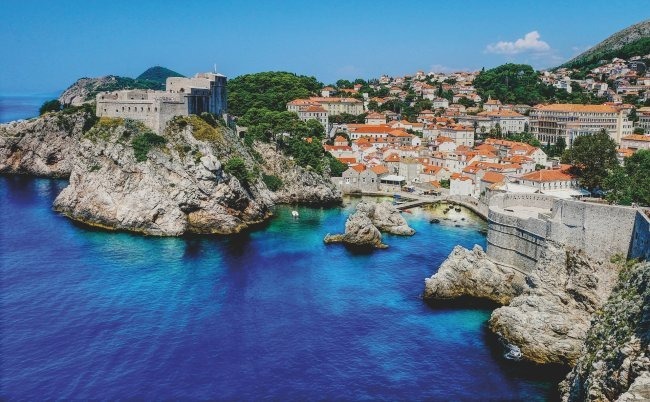
Croatia's Adriatic coastline, its charming old towns and EU membership make it a comfortable and accessible option for European patients comparing the cheapest country for dental implants within the EU zone.
5. Germany

Germany is not the cheapest option on this list, but it belongs here because of its exceptional material quality, precision engineering and strict regulatory environment. For patients who prioritise premium materials and are willing to pay more, Germany offers all-on-4 dental implants at a level of craftsmanship that few countries can match.
The average cost of All-on-4 in Germany ranges from EUR 7,200 to EUR 11,200 per jaw. Pan Clinic in Cologne is one of the facilities serving international patients with full-arch implant solutions. German clinics use top-tier implant systems and high-grade zirconia prosthetics, and the country's dental laboratories are among the most advanced in Europe.
|
All-on-4 in Germany |
Average Price (EUR) |
|
All-on-4 (per jaw) |
EUR 7,200 - EUR 11,200 |
|
Full mouth All-on-4 (both jaws) |
EUR 14,400 - EUR 22,400 |
While all on 4 dental implants Turkey vs. other countries comparisons tend to favour Turkey on price, Germany appeals to patients who want the reassurance of EU medical regulations and are less price-sensitive. Berlin, Munich and Cologne all offer excellent cultural experiences alongside your treatment.
Why choose A-Medical?
A-Medical is not a clinic. We are a medical tourism company that connects international patients with vetted, high-quality dental clinics abroad. When you book through A-Medical, you get a single point of contact who manages your entire treatment journey from start to finish.
Here is what sets us apart. We respond to enquiries immediately, with no waiting lists and no delays. We arrange your travel, accommodation and clinic transfers so you do not have to coordinate anything yourself. We negotiate discounted treatment prices with our partner clinics and pass those savings directly to you. Every patient receives a dedicated interpreter who accompanies them to every appointment, ensuring there are no communication barriers with your dental team.
We also provide close post-treatment follow-up. After you return home, your A-Medical coordinator stays in contact to monitor your recovery and can coordinate with your local dentist for any follow-up care. If you are considering getting all on 4 dental implants abroad but do not know where to start, A-Medical is the partner that makes the entire process simple, transparent and stress-free.
Contact A-Medical today for a free, personalised consultation and cost estimate.
Frequently Asked Questions
What is the best country to get All-on-4 dental implants?
Turkey is widely regarded as the best overall destination for all on 4 dental implants abroad in 2026, combining the lowest all-inclusive package prices with internationally accredited clinics, advanced technology and a well-developed medical tourism infrastructure.
How much does All-on-4 cost in Turkey?
The All-on-4 dental implants Turkey price starts from approximately EUR 3,890 per jaw for an all-inclusive package through A-Medical. This covers implants, temporary prosthesis, hotel accommodation, VIP transfers and interpreter services.
Is it safe to get dental implants abroad?
Yes, provided you choose a reputable clinic with verified credentials. Countries like Turkey, Hungary and Croatia have mature dental tourism industries with strict regulatory oversight. A-Medical only partners with clinics that meet international quality and safety standards.
What is included in an all-inclusive All-on-4 package?
A genuine all-inclusive package should cover the implant placement surgery, temporary fixed bridge, all diagnostics (panoramic X-ray, CT scan), anaesthesia, hotel accommodation, airport and clinic transfers, and interpreter services. Always confirm whether the final permanent prosthesis is included or priced separately.
How long does the All-on-4 procedure take?
The surgical phase typically requires 4 to 5 working days for the initial visit. You receive a temporary fixed bridge on the same day as surgery. A second visit, usually three to six months later, is needed to fit the final permanent zirconia bridge after the implants have fully integrated with your jawbone.
What are the disadvantages of All-on-4 dental implants?
The main considerations include the need for two separate trips if getting treatment abroad, the healing period of three to six months between the temporary and final prosthesis, and the fact that the procedure is not reversible. In rare cases, patients with severe bone loss may require additional grafting. However, for the vast majority of patients, All-on-4 remains the most effective and cost-efficient full-arch restoration method available.
Can people with autoimmune disease get dental implants?
In many cases, yes. Autoimmune conditions such as rheumatoid arthritis or lupus do not automatically disqualify you from getting all-on-4 dental implants. However, your dentist will need to evaluate your specific condition, medication regimen and overall health before proceeding. A-Medical arranges a thorough pre-treatment consultation to assess your eligibility.
How do I choose between All-on-4 and All-on-6?
All-on-4 uses four implants per jaw and is ideal for most patients, including those with moderate bone loss. All-on-6 uses six implants and provides additional support, which may be recommended for patients with larger jaws or those who want extra stability. Your dentist will recommend the best option based on your clinical assessment.
What implant brands are used in these countries?
Clinics in Turkey, Hungary and Croatia commonly use internationally recognised brands including Straumann (Switzerland), Nobel Biocare (Sweden), Osstem (South Korea), Megagen (South Korea) and Alpha-Bio (Israel). A-Medical's partner clinics in Turkey use Osstem implants, which carry a lifetime warranty.
Do I need a visa to travel for dental treatment?
This depends on your nationality and destination. Turkey offers e-visas or visa-free entry for citizens of many countries. Hungary and Croatia are in the EU Schengen zone, allowing visa-free travel for US, UK and Canadian passport holders for stays up to 90 days. A-Medical's travel planning team provides visa guidance as part of every package.
Why are dental implants so much cheaper abroad?
The lower prices reflect fundamental economic differences, not lower quality. Countries like Turkey and Hungary have significantly lower operating costs, rent, labour and material procurement expenses. Strong competition among clinics in dental tourism hotspots also keeps prices patient-friendly while maintaining high clinical standards.
What happens if something goes wrong after I return home?
A-Medical provides ongoing post-treatment support after you return home. Your coordinator monitors your recovery and can coordinate with your local dentist for any follow-up care. Our partner clinics also offer warranties on implants and prosthetics, with terms clearly communicated before your treatment begins.
Can I combine my dental trip with a holiday?
Absolutely. Every country on this list is a genuine travel destination. Istanbul, Budapest, Zagreb and Baku all offer rich cultural experiences, historical sites and excellent cuisine. A-Medical can help you plan leisure activities around your treatment schedule so you get the best of both dental care and travel.
How do I get started with A-Medical?
Contact us by phone, WhatsApp or email for a free initial consultation. Share any existing dental X-rays or scans you have, and our team will review your case and provide a personalised treatment plan with a transparent cost breakdown. From there, we handle everything: clinic selection, travel arrangements, accommodation and appointment scheduling.