Contents
Related Topics
Every year, thousands of patients look beyond their home country for regenerative treatments that are either unavailable, heavily restricted, or far too expensive domestically. If you are researching stem cell therapy abroad, this guide is built for you. We cover the top destinations, real pricing data, leading clinics, legal frameworks, and the practical steps you need to plan a safe medical trip in 2026.
The information below is based on verified clinic data, patient feedback, and regulatory research. Whether you need treatment for a knee injury, a neurological condition, or an autoimmune disease, this resource will help you compare the best countries to get stem cell therapy and identify the cheapest country for stem cell treatment that also meets international safety standards.
What Is Stem Cell Therapy and How Does It Work?
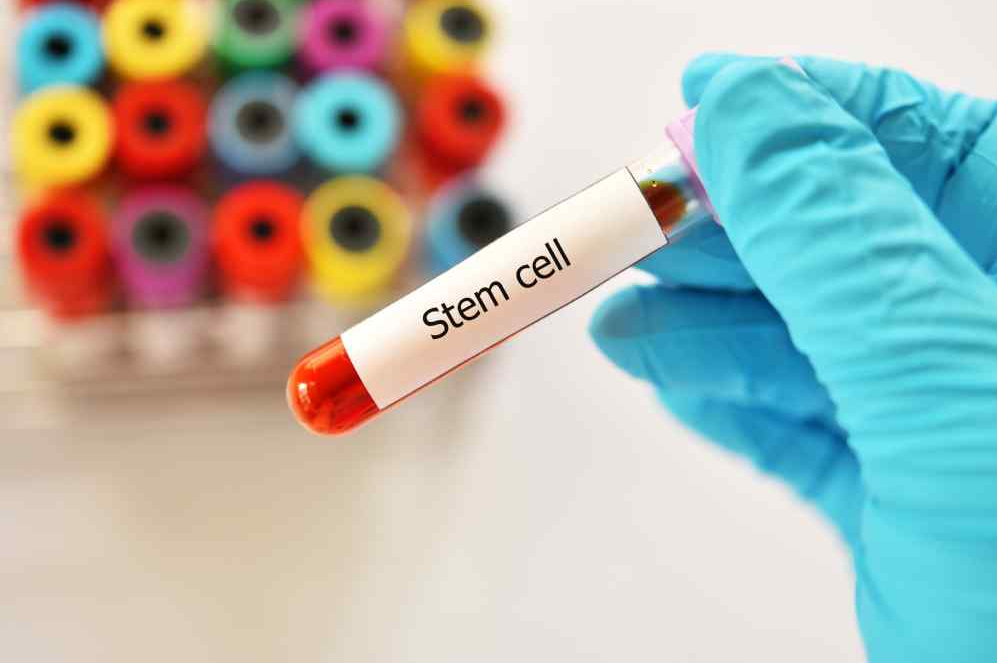
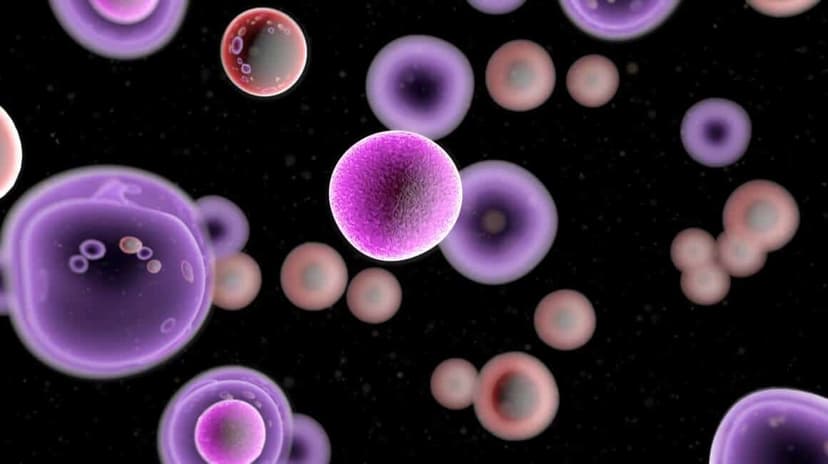
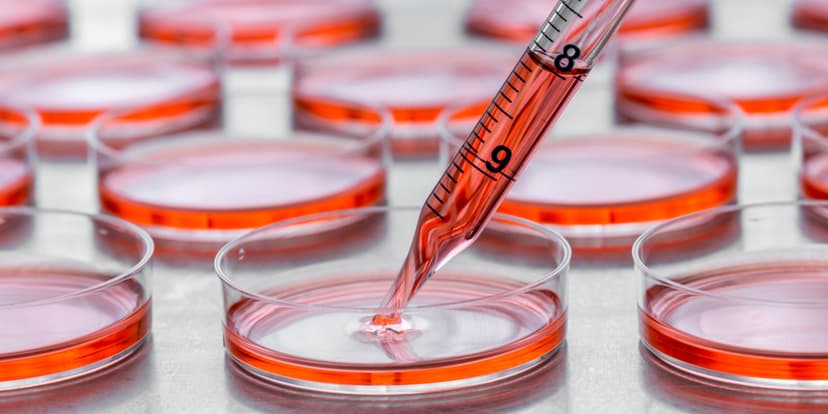
Stem cell therapy is a regenerative medical procedure that uses specially selected cells to help the body repair damaged tissue, reduce chronic inflammation, and restore function. These cells are typically harvested from bone marrow, adipose (fat) tissue, or umbilical cord blood, then processed in a laboratory and reintroduced into the patient’s body at the site of injury or disease.
Unlike conventional treatments that manage symptoms, this approach targets root causes. For joint degeneration, stem cells stimulate cartilage regeneration. For autoimmune conditions, they help modulate an overactive immune response. For neurological disorders, they may support nerve repair and slow disease progression.
The cost of this therapy varies dramatically depending on the country, condition treated, cell type, and clinic infrastructure. In the United States, a single session can exceed $25,000, which is why many patients explore options for stem cell therapy abroad where they can access the same quality of care at a fraction of the price.
Types of Stem Cell Therapy Used Worldwide
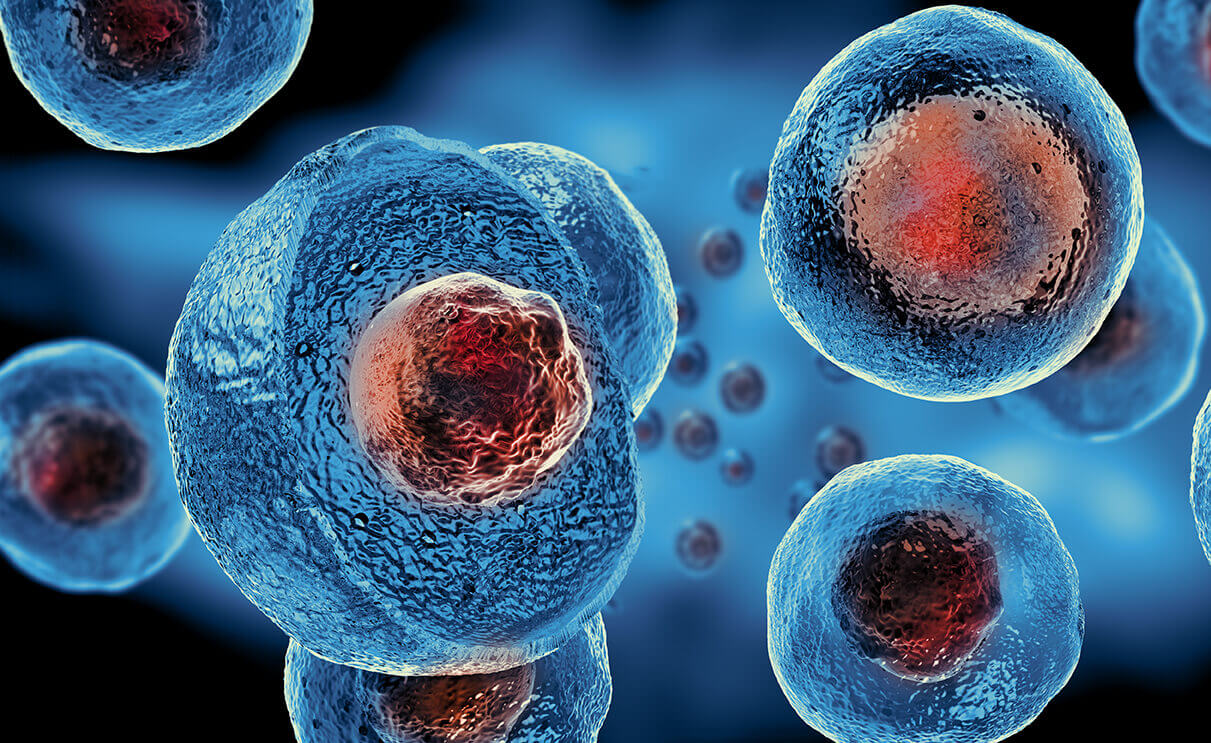
Autologous Stem Cell Therapy uses the patient’s own cells, usually harvested from fat tissue or bone marrow. This method eliminates the risk of immune rejection and is widely used for orthopedic injuries, osteoarthritis, and autoimmune conditions. Many clinics in Turkey and Mexico specialize in autologous protocols.
Allogeneic Stem Cell Therapy involves donor-derived cells, typically matched for immune compatibility. It is preferred when a patient’s own cells are insufficient in quantity or quality, or when higher cell volumes are required. Panama and Germany frequently use allogeneic approaches for neurological and systemic conditions.
Stem cells also vary by source. Mesenchymal stem cells (MSCs) are the most commonly used in medical tourism, valued for their anti-inflammatory properties and application across joint, spinal, and cosmetic treatments. Cord blood stem cells are collected at birth and primarily used for blood disorders and metabolic diseases. Embryonic stem cells offer the highest potency but face significant legal and ethical restrictions in many countries.
What Conditions Are Treated with Stem Cell Therapy?

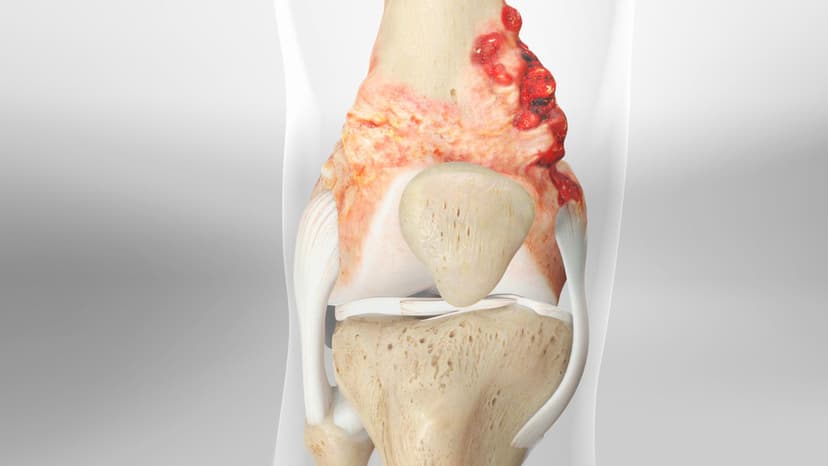
Knee Osteoarthritis and Joint Degeneration: This is the most common reason patients travel for stem cell treatment. The cost of stem cell therapy for knees ranges from $2,000 in India to $15,000 in Germany. Clinics in Turkey, Mexico, and Thailand focus heavily on cartilage repair procedures using MSC injections, and many patients report significant pain reduction within weeks. The cost of stem cell injections for knees is typically 60-80% lower abroad compared to the United States.
Shoulder Injuries (Rotator Cuff, Arthritis): The stem cell therapy shoulder cost in countries like Mexico and Turkey ranges between $3,000 and $8,000, compared to $10,000-$20,000 in the US. Clinics specializing in shoulder stem cell injection cost optimization offer targeted protocols that combine PRP with MSC therapy for better outcomes.
Multiple Sclerosis (MS): HSCT (hematopoietic stem cell transplantation) programs in Mexico and Panama have produced documented improvements in relapse rates and disease progression. A-Medical partners with clinics that offer structured MS treatment pathways with long-term follow-up.
Parkinson’s Disease: Stem cell protocols aim to restore dopamine-producing neurons. While not curative, patients in clinics across Germany and the UAE report reduced tremors and improved motor control. Treatment costs range from $10,000 to $30,000 depending on the protocol.
Spinal Cord Injuries: Full recovery remains rare, but patients report meaningful gains in sensation, muscle control, or bladder function. Germany and Panama use advanced protocols combining stem cells with intensive physiotherapy. Costs range from $15,000 to $35,000.
Diabetes (Type 1 and Type 2): Therapies aim to regenerate insulin-producing beta cells. India and Thailand offer lower-cost experimental programs, though results remain inconsistent. Turkey’s clinics are increasingly adding diabetes protocols to their regenerative medicine portfolios.
Stroke Recovery: Treatment combines stem cell infusion with rehabilitation. Thailand and Panama report improved mobility, speech, and coordination in eligible patients.
Anti-Aging and Cosmetic Applications: Rising demand in the UAE and Turkey, where treatments focus on skin renewal, hair restoration, and systemic rejuvenation. Sessions typically cost $5,000-$15,000.
Why Do People Travel Abroad for Stem Cell Treatment?
The motivations extend well beyond price. In the United States, the FDA restricts most stem cell procedures to bone marrow transplants and a handful of approved therapies. Insurance coverage is virtually nonexistent, and waiting lists for clinical trials can stretch for years. The stem cell therapy cost in USA for a standard session starts at $5,000 for a simple PRP injection and can exceed $25,000 for a full stem cell protocol. These financial barriers push thousands of American and Canadian patients to explore treatment internationally.
Countries like Mexico, Turkey, Thailand, and Panama now offer structured medical tourism packages that include medical visas, airport transfers, translators, accommodation, and remote aftercare. This infrastructure has matured significantly over the past five years, making the process of seeking treatment in another country safer and more predictable than ever before.
Regulatory flexibility is another factor. While strict regulation protects patients from unproven therapies, it also blocks access to treatments that show strong clinical promise but have not yet completed the full approval cycle. Many patients with progressive conditions like ALS, MS, or Parkinson’s choose to travel abroad because waiting for domestic approval is simply not an option.
Which Country Offers the Cheapest Stem Cell Therapy in the World?
India consistently offers the lowest average pricing for stem cell therapy worldwide, with treatments starting from approximately $2,000 for orthopedic procedures and reaching $10,000 for complex neurological protocols. Thailand follows closely, with starting prices around $1,200 for basic joint treatments. Mexico also ranks among the most affordable destinations, particularly for patients traveling from the United States who benefit from minimal travel costs and short-stay logistics.
However, the cheapest option is not always the best option. India’s lower costs come with wider variation in clinic quality and regulatory enforcement. Thailand offers a stronger medical tourism infrastructure, and Mexico provides the advantage of geographic proximity to North America. The right choice depends on your condition, your risk tolerance, and how much support you need during the treatment journey.
Below is a global pricing overview showing how stem cell therapy costs compare across the leading destinations.
|
Country |
Starting From |
Up To |
Best For |
|
India |
$2,000 |
$10,000 |
Budget treatments |
|
Thailand |
$1,200 |
$18,200 |
Rehab + wellness |
|
Mexico |
$1,320 |
$15,000 |
US proximity |
|
Turkey |
$2,000 |
$15,000 |
Orthopedics |
|
Panama |
$7,000 |
$30,000 |
Neuro + MS |
|
UAE |
$8,000 |
$25,000 |
Luxury care |
|
Germany |
$15,000 |
$35,000 |
Evidence-based |
|
South Korea |
$10,000 |
$40,000 |
R&D + tech |
Note: Prices reflect average ranges across verified clinics as of 2026. Your final cost depends on the condition treated, cell type, number of sessions, and clinic reputation. A-Medical provides obligation-free, personalized cost estimates before you commit to anything.
Which Country Offers the Best Stem Cell Therapy in the World?
Germany is widely regarded as the gold standard for evidence-based stem cell therapy. Its clinics operate under some of the strictest regulatory frameworks in the world, treatments are backed by published clinical data, and patient safety protocols are among the most rigorous globally. However, this comes at a premium, with average costs ranging from $15,000 to $35,000.
South Korea is a leader in stem cell research and innovation. The country hosts globally recognized institutions and has approved specific stem cell products for clinical use. The stem cell therapy cost South Korea starts from approximately $10,000 and can exceed $40,000 for advanced neurological treatments. For patients prioritizing cutting-edge science, South Korea is a top destination.
For patients who want the best balance of quality and value, Turkey and Mexico stand out. Both countries have mature medical tourism ecosystems, internationally accredited clinics, and significantly lower costs than Western Europe or the US. Panama excels specifically in neurological treatments, with the Stem Cell Institute Panama being one of the most recognized facilities worldwide for MS, spinal cord, and Parkinson’s treatment.
Stem Cell Therapy in Mexico: Clinics, Costs, and What to Expect

Mexico is one of the most accessible destinations for patients from the United States and Canada seeking affordable regenerative treatments. Stem cell therapy is legal and regulated under COFEPRIS (Mexico’s equivalent of the FDA), and clinics in cities like Tijuana, Mexico City, Cancun, and Guadalajara cater specifically to international patients with bilingual teams and structured medical tourism programs.
The proximity to the US border makes Mexico especially practical for American patients. Many clinics in Tijuana are within a 30-minute drive from San Diego, allowing same-day travel for consultations and follow-up visits.
Top Stem Cell Clinics in Mexico
Clinics frequently recommended for stem cell treatment in Mexico include GIOSTAR Mexico (Guadalajara and Los Algodones), which focuses on neurological and autoimmune conditions; ProgenaCare Global (Tijuana) for orthopedic and anti-aging protocols; Immunow Oncology Concierge (Tijuana) for cancer-related cellular therapies; and MexStemCells (Mexico City) for orthopedic and diabetes treatments.
Stem Cell Therapy Cost in Mexico
|
Procedure / Condition |
Estimated Cost |
USA Comparison |
|
Knee Osteoarthritis (MSC) |
$2,500 - $8,000 |
$10,000 - $25,000 |
|
Shoulder / Rotator Cuff |
$3,000 - $7,500 |
$10,000 - $20,000 |
|
Multiple Sclerosis (HSCT) |
$8,000 - $15,000 |
$50,000 - $100,000+ |
|
Anti-Aging / Cosmetic |
$2,500 - $6,000 |
$8,000 - $15,000 |
|
Spinal Cord / Neurological |
$5,000 - $12,000 |
$20,000 - $50,000 |
|
Diabetes (Experimental) |
$3,000 - $9,000 |
$15,000 - $30,000 |
A-Medical offers all-inclusive packages for stem cell therapy in Mexico that include airport transfers, hotel accommodation, clinic transport, interpreter services, and post-treatment follow-up coordination. Our packages are designed to remove every logistical barrier so you can focus entirely on your health.
Stem Cell Therapy in India: Affordable Treatment with Variable Quality

India is the most cost-competitive destination globally, with stem cell therapy starting as low as $2,000 for basic orthopedic treatments. Major medical hubs including Delhi, Mumbai, Chennai, and Bangalore host large hospital networks with regenerative medicine departments.
While pricing is attractive, patients should exercise caution. India’s regulatory environment for stem cell therapy is less standardized than in countries like Germany or Turkey. The Indian Council of Medical Research (ICMR) has guidelines in place, but enforcement varies by state and clinic. Patients should verify accreditation status and request documentation of cell sourcing and processing protocols before committing.
Leading Stem Cell Clinics in India
Key facilities include Medanta - The Medicity (Gurgaon) for neurological conditions; Apollo Hospitals (Multiple Locations) for a wide range of regenerative procedures; Fortis Hospitals (Delhi, Bangalore) for orthopedic and hematological treatments; and Stemrx Bioscience Solutions (Mumbai) which specializes exclusively in stem cell therapy.
Stem Cell Therapy Cost in India
|
Procedure / Condition |
Estimated Cost |
USA Comparison |
|
Knee / Joint Treatment |
$2,000 - $5,000 |
$10,000 - $25,000 |
|
Neurological (MS, Parkinson’s) |
$4,000 - $10,000 |
$30,000 - $100,000 |
|
Diabetes Protocol |
$2,500 - $7,000 |
$15,000 - $30,000 |
|
Anti-Aging / Aesthetic |
$2,000 - $5,000 |
$8,000 - $15,000 |
|
Spinal Cord Injury |
$5,000 - $10,000 |
$20,000 - $50,000 |
A-Medical screens every partner clinic in India for international accreditation, verified cell processing standards, and documented patient outcomes. Reach out for a personalized recommendation tailored to your condition and budget.
Stem Cell Therapy in Panama: A Specialized Hub for Neurological Conditions
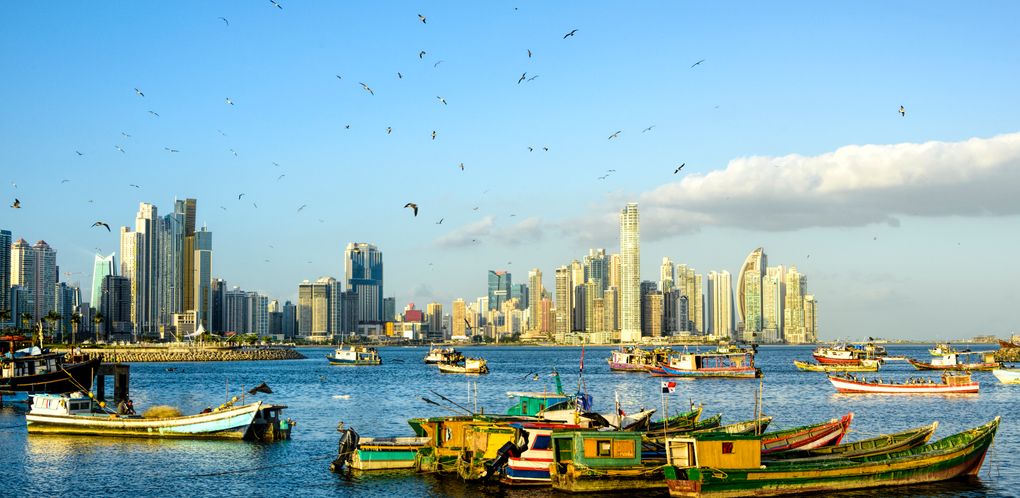
Panama has carved out a unique position in the global stem cell landscape. The country’s legal framework explicitly permits stem cell research and clinical application, making it one of the most transparent destinations for patients seeking regulated treatment. The Stem Cell Institute Panama is one of the most recognized facilities in the world, attracting patients from North America and Europe for conditions including MS, spinal cord injury, autism, and heart failure.
The stem cell clinic Panama ecosystem is smaller than Mexico or India but significantly more specialized. Clinics focus on complex neurological and systemic conditions rather than high-volume orthopedic procedures. The Stem Cell Institute Panama cost ranges from $7,000 for basic protocols to $30,000 for comprehensive multi-session programs, reflecting the advanced laboratory standards and pre/post-treatment assessments included in every program.
Key Clinics in Panama
The Stem Cell Institute (Panama City) is the flagship facility, led by Dr. Neil Riordan and specializing in umbilical cord-derived MSC therapy. Additional options include Panama Stem Cell Treatment Center and MedRegen Panama for orthopedic applications.
Stem Cell Therapy Cost in Panama
|
Procedure / Condition |
Estimated Cost |
USA Comparison |
|
MS / Autoimmune Protocol |
$15,000 - $30,000 |
$50,000 - $100,000+ |
|
Spinal Cord Injury |
$10,000 - $25,000 |
$30,000 - $80,000 |
|
Autism / Cerebral Palsy |
$8,000 - $20,000 |
$25,000 - $50,000 |
|
Orthopedic / Joint |
$7,000 - $12,000 |
$10,000 - $25,000 |
|
Heart Failure Protocol |
$12,000 - $28,000 |
$40,000 - $100,000 |
A-Medical coordinates directly with Panama’s leading stem cell facilities to arrange consultations, treatment schedules, visa guidance, and accommodations. Every package includes transparent pricing with no hidden fees.
Stem Cell Therapy in Thailand: Medical Excellence Meets Wellness Tourism

Thailand combines world-class hospital infrastructure with one of the most developed medical tourism ecosystems in Asia. Stem cell therapy is offered at JCI-accredited hospitals in Bangkok, Phuket, and Chiang Mai, often bundled with rehabilitation and wellness packages.
Thai clinics are particularly strong in stroke rehabilitation, spinal cord treatment, cosmetic rejuvenation, and orthopedic procedures. The country’s established wellness industry means patients can combine their medical treatment with recovery programs that include physiotherapy, nutritional counseling, and traditional healing practices.
Top Stem Cell Clinics in Thailand
Recommended facilities include Bumrungrad International Hospital (Bangkok), one of Asia’s most recognized medical tourism hospitals; Verita Neuro (Bangkok) for neurological rehabilitation with stem cells; Beike Biotechnology Thailand for cord blood-based therapies; and Bangkok Regenerative Center for orthopedic and anti-aging treatments.
Stem Cell Therapy Cost in Thailand
|
Procedure / Condition |
Estimated Cost |
USA Comparison |
|
Knee / Joint Regeneration |
$1,200 - $6,000 |
$10,000 - $25,000 |
|
Stroke Rehabilitation |
$5,000 - $18,200 |
$25,000 - $60,000 |
|
Spinal Cord Treatment |
$8,000 - $15,000 |
$20,000 - $50,000 |
|
Anti-Aging / Cosmetic |
$3,000 - $10,000 |
$8,000 - $20,000 |
|
Autism / Cerebral Palsy |
$5,000 - $12,000 |
$20,000 - $40,000 |
A-Medical’s Thailand packages include accommodation near your clinic, private transfers, interpreter services, and post-treatment wellness coordination. Contact us for a tailored treatment plan.
Stem Cell Therapy in Turkey: Strong Infrastructure at Competitive Prices

Turkey has built one of the world’s most robust medical tourism industries, with more than 50 JCI-accredited hospitals and clinics specializing in regenerative medicine across Istanbul, Ankara, Izmir, and Antalya. Stem cell therapy in Turkey is particularly popular for orthopedic conditions, cosmetic applications, and autoimmune treatments.
Turkish clinics benefit from government support for medical tourism, which keeps costs competitive while maintaining high standards. Visa-free access for citizens of many countries, combined with well-established patient coordination services, makes Turkey one of the most practical destinations for patients from Europe, the Middle East, and Central Asia.
Leading Stem Cell Clinics in Turkey
Major providers include Acibadem Healthcare Group (Istanbul, Ankara) for a wide range of regenerative treatments; Liv Hospital (Istanbul) for neurological and orthopedic applications; Memorial Healthcare Group for cancer-related and immunological protocols; and Medipol University Hospital (Istanbul) for research-backed stem cell programs.
Stem Cell Therapy Cost in Turkey
|
Procedure / Condition |
Estimated Cost |
USA Comparison |
|
Knee Osteoarthritis |
$2,000 - $6,000 |
$10,000 - $25,000 |
|
Shoulder / Joint Repair |
$2,500 - $7,000 |
$10,000 - $20,000 |
|
MS / Autoimmune |
$5,000 - $15,000 |
$50,000 - $100,000 |
|
Anti-Aging / Hair Restoration |
$2,000 - $5,000 |
$5,000 - $15,000 |
|
Diabetes Protocol |
$3,000 - $8,000 |
$15,000 - $30,000 |
A-Medical’s Turkey packages are fully inclusive: flights assistance, VIP transfers, hotel, clinic transport, and bilingual coordination. Our local team in Istanbul provides 24/7 support throughout your stay.
Stem Cell Therapy in Germany: The Gold Standard for Safety and Evidence
Germany operates under one of the most rigorous regulatory frameworks for regenerative medicine in the world. Only treatments backed by substantial clinical evidence are approved for use. This means fewer available procedures compared to countries like Mexico or Thailand, but a significantly higher assurance of safety and efficacy.
German clinics specialize in autoimmune disorders, neurological conditions, and hematological diseases. The country’s stem cell treatment protocols are designed by multidisciplinary teams and include comprehensive pre-treatment assessment, personalized therapy plans, and structured follow-up programs.
Top Stem Cell Clinics in Germany
Leading facilities include Universitätsklinikum Heidelberg for hematological and oncological stem cell transplants; Charité - Universitätsmedizin Berlin for neurological research protocols; ATOS Clinic (Heidelberg) for orthopedic regenerative medicine; and Klinik am Südpark (Bad Nauheim) for cardiac stem cell therapy.
Stem Cell Therapy Cost in Germany
|
Procedure / Condition |
Estimated Cost |
USA Comparison |
|
Orthopedic / Joint |
$15,000 - $25,000 |
$10,000 - $25,000 |
|
Neurological (MS, ALS) |
$20,000 - $35,000 |
$50,000 - $100,000+ |
|
Hematological / Oncology |
$25,000 - $35,000 |
$100,000 - $250,000+ |
|
Autoimmune Conditions |
$15,000 - $30,000 |
$30,000 - $80,000 |
The stem cell therapy Europe cost in Germany is higher than in Turkey or Eastern European alternatives, but patients pay for the most regulated, research-backed treatment environment on the continent. A-Medical helps patients access Germany’s top clinics with full visa support, accommodation, and aftercare coordination.
- Alternative destination: Stem Cell Therapy in Switzerland
Stem Cell Therapy in the UAE: Premium Care in a Luxury Setting

The UAE, particularly Dubai and Abu Dhabi, has established itself as a luxury destination for advanced regenerative treatments. The government regulates stem cell therapy through the Dubai Health Authority and the Department of Health Abu Dhabi, integrating these services into high-end medical centers.
Treatment focus areas include anti-aging, cosmetic rejuvenation, orthopedic injuries, and select neurological conditions. The UAE attracts patients from the Middle East, South Asia, and Europe who value premium service, English-speaking medical teams, and concierge-level patient care.
Leading Clinics in the UAE
Key facilities include Emirates Hospital (Dubai) for cosmetic and orthopedic regenerative treatments; Clemenceau Medical Center (Dubai) for multi-specialty regenerative medicine; Abu Dhabi Stem Cell Center for research-driven protocols; and Dubai Wellness Clinic for anti-aging and longevity programs.
Stem Cell Therapy Cost in UAE
|
Procedure / Condition |
Estimated Cost |
USA Comparison |
|
Anti-Aging / Cosmetic |
$8,000 - $15,000 |
$8,000 - $20,000 |
|
Orthopedic / Joint |
$10,000 - $18,000 |
$10,000 - $25,000 |
|
Neurological Conditions |
$15,000 - $25,000 |
$30,000 - $80,000 |
|
Hair Restoration |
$5,000 - $12,000 |
$5,000 - $15,000 |
A-Medical arranges premium stem cell therapy packages in Dubai and Abu Dhabi, including VIP airport reception, luxury hotel accommodation, private clinic transfers, and dedicated care coordination.
Stem Cell Therapy in South Korea: Innovation and Research Leadership

South Korea is one of the few countries that has formally approved stem cell products for clinical use. The country is a global leader in stem cell research, with institutions like Seoul National University and Samsung Medical Center contributing to peer-reviewed breakthroughs in regenerative medicine.
The stem cell therapy cost South Korea starts from approximately $10,000 for orthopedic procedures and can exceed $40,000 for advanced neurological or anti-aging programs. While not the cheapest destination, South Korea offers access to cutting-edge treatments, government-approved cell products, and world-class hospital infrastructure.
Top Clinics in South Korea
Leading facilities include Chaum Life Center (Seoul) affiliated with CHA University for anti-aging and regenerative protocols; Samsung Medical Center (Seoul) for oncology and hematological transplants; Seoul National University Hospital for research-driven treatment; and Gangnam Severance Hospital for orthopedic stem cell applications.
Stem Cell Therapy Cost in South Korea
|
Procedure / Condition |
Estimated Cost |
USA Comparison |
|
Orthopedic / Joint |
$10,000 - $20,000 |
$10,000 - $25,000 |
|
Neurological |
$15,000 - $40,000 |
$50,000 - $100,000+ |
|
Anti-Aging / Longevity |
$12,000 - $30,000 |
$15,000 - $40,000 |
|
Oncological / Hematological |
$20,000 - $40,000 |
$100,000 - $250,000+ |
A-Medical partners with South Korean clinics that accept international patients and provide English-language coordination, visa assistance, and structured follow-up programs.
Countries Where Stem Cell Therapy Is Legal: Regulations by Country
The legal status of stem cell therapy varies dramatically from country to country. Understanding these differences is essential before committing to treatment, as the regulatory framework directly affects what procedures are available, what cell types can be used, and what level of oversight protects you as a patient.
- Mexico: Regulated under COFEPRIS. Clinics must obtain authorization for cellular therapies. The regulatory environment is more permissive than the FDA, allowing access to a broader range of treatments.
- India: ICMR guidelines exist but enforcement varies. Stem cell treatments are widely available but not uniformly regulated across states.
- Panama: One of the most permissive legal frameworks for stem cell research and application. The government actively supports regenerative medicine as a medical tourism sector.
- Thailand: Regulated by the Thai FDA. Stem cell therapy is legal at licensed facilities, and the government has promoted medical tourism as a strategic industry.
- Turkey: Regulated by the Turkish Ministry of Health. Stem cell therapy is permitted at licensed hospitals and clinics, with growing government investment in regenerative medicine.
- Germany: Strictly regulated under the Medicines Act and the Advanced Therapy Medicinal Products (ATMP) regulation. Only clinically validated treatments are permitted.
- UAE: Government-regulated through the Dubai Health Authority and Department of Health Abu Dhabi. Stem cell therapy is permitted at approved medical centers.
- South Korea: One of the few countries to have approved commercial stem cell products (Cartistem, Cupistem). The Ministry of Food and Drug Safety oversees clinical applications.
- United States: The FDA restricts most stem cell procedures. Approved uses are limited primarily to bone marrow transplants and a few investigational treatments under clinical trials.
- United Kingdom: Regulated by the Human Tissue Authority and the Medicines and Healthcare products Regulatory Agency (MHRA). Commercial stem cell therapy is heavily restricted.
A-Medical helps patients verify the legal status of their desired treatment in each destination, ensuring they only access compliant, licensed providers.
Stem Cell Therapy Cost in the USA vs. Abroad
Understanding the stem cell therapy cost in USA is important context for evaluating international options. In the United States, stem cell procedures are rarely covered by insurance and are among the most expensive medical treatments available.
A single stem cell injection for knee arthritis typically costs $5,000 to $10,000. A comprehensive protocol for MS or neurological conditions can reach $50,000 to $100,000 or more. These figures do not include consultations, imaging, lab work, or follow-up visits.
By contrast, the same treatments abroad cost 50-85% less. A knee treatment in Turkey costs $2,000-$6,000. An MS protocol in Mexico runs $8,000-$15,000. A comprehensive neurological program in Panama is $15,000-$30,000. Even after accounting for travel, accommodation, and other expenses, patients routinely save tens of thousands of dollars by choosing to pursue stem cell therapy abroad.
Is Stem Cell Therapy Worth the Cost?
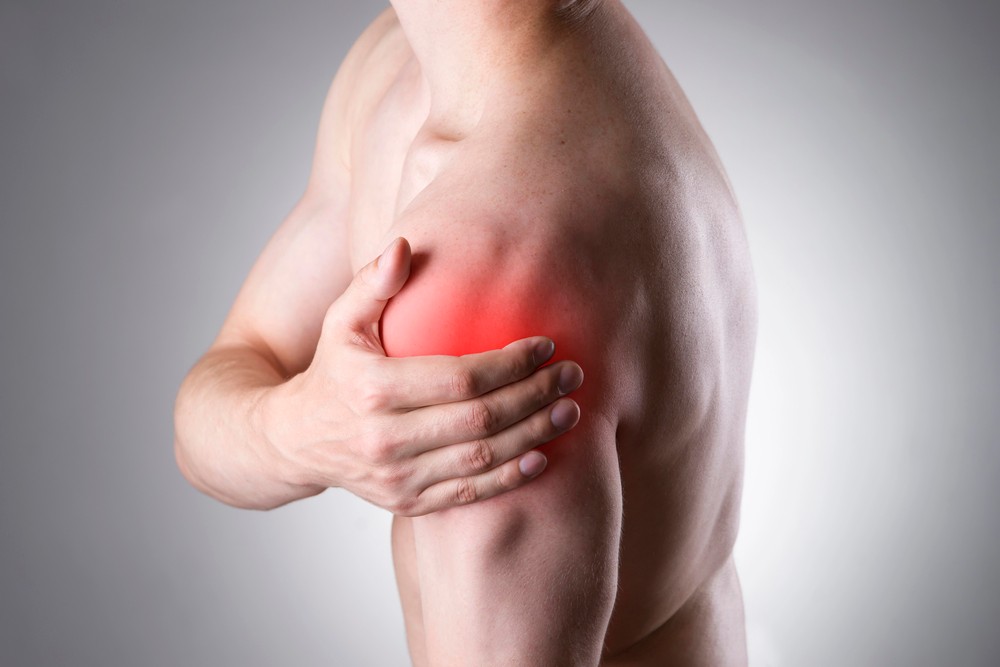
This is perhaps the most important question patients ask, and the answer depends entirely on your condition, treatment goals, and the clinic you choose. For patients with progressive conditions like MS, Parkinson’s, or ALS who have exhausted conventional options, stem cell therapy offers a chance at meaningful improvement that no other treatment provides.
For orthopedic conditions like knee osteoarthritis or shoulder injuries, many patients report significant pain reduction and improved mobility within weeks of treatment. The cost of stem cells for these procedures is often comparable to a single round of conventional treatments (cortisone injections, physiotherapy courses) in the US, but with the potential for longer-lasting results.
Patients should approach stem cell therapy with realistic expectations. It is not a guaranteed cure. Results vary by individual, condition severity, and protocol used. However, when administered at accredited clinics with proper cell sourcing and personalized protocols, the treatment offers a favorable risk-to-benefit ratio for many conditions.
Safety, Risks, and How to Choose the Right Clinic
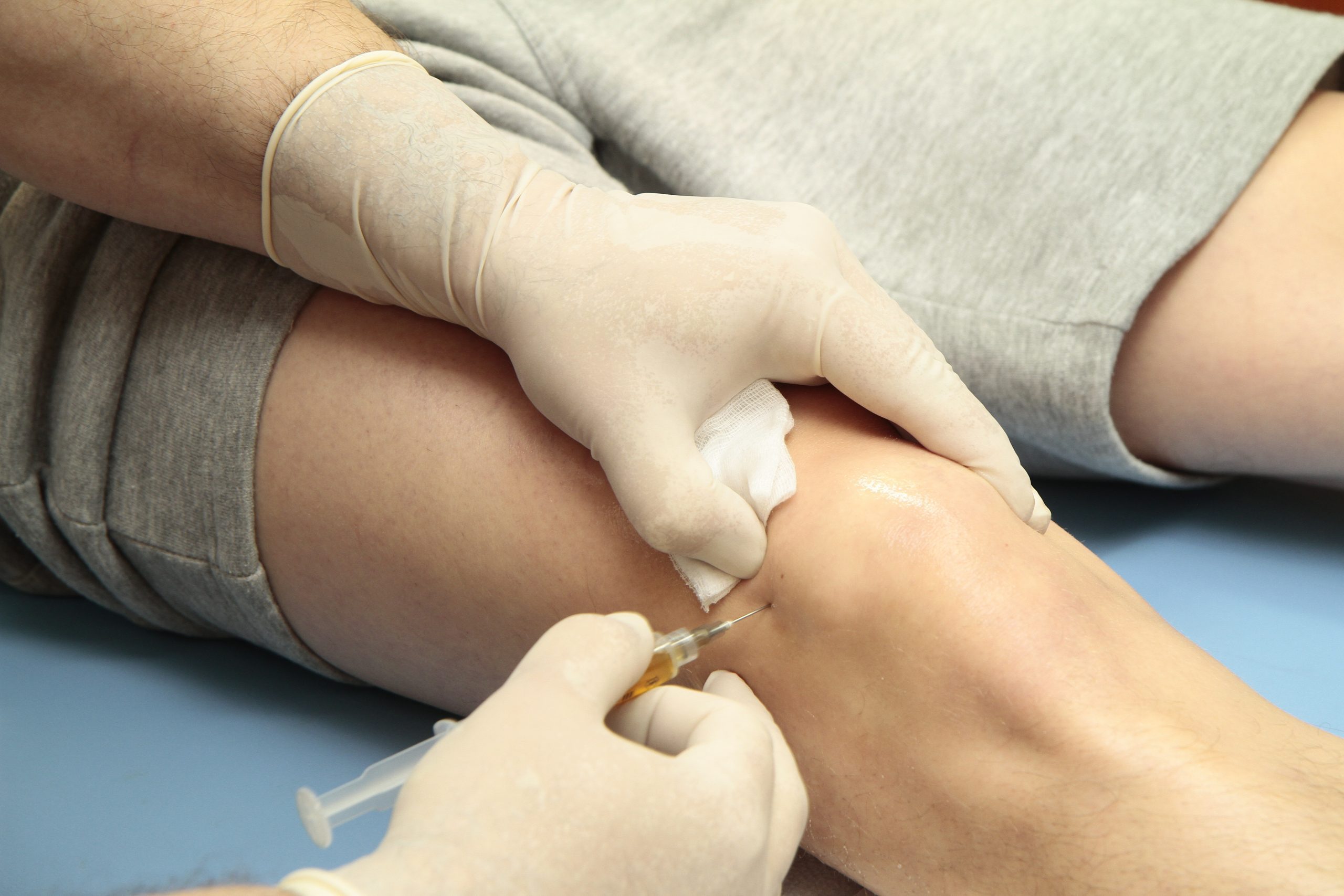
Stem cell therapy carries medical risks, particularly when administered at unregulated facilities. Potential complications include immune reactions, infections, and in rare cases, tumor formation from uncontrolled cell growth. The most effective way to minimize these risks is to choose an accredited clinic that follows international cell processing standards (GMP-grade), provides transparent documentation, and includes structured follow-up care.
Red flags to watch for include clinics that guarantee results, use vague language about cell sources, refuse to provide documentation, or pressure patients into immediate decisions. Ethical concerns primarily involve embryonic stem cells, which are restricted or prohibited in many countries.
A-Medical includes only clinics that meet verified international safety protocols. Every partner facility undergoes a screening process that evaluates accreditation status, physician credentials, cell sourcing practices, and patient outcome data.
Top 10 Stem Cell Clinics in the World (2026)
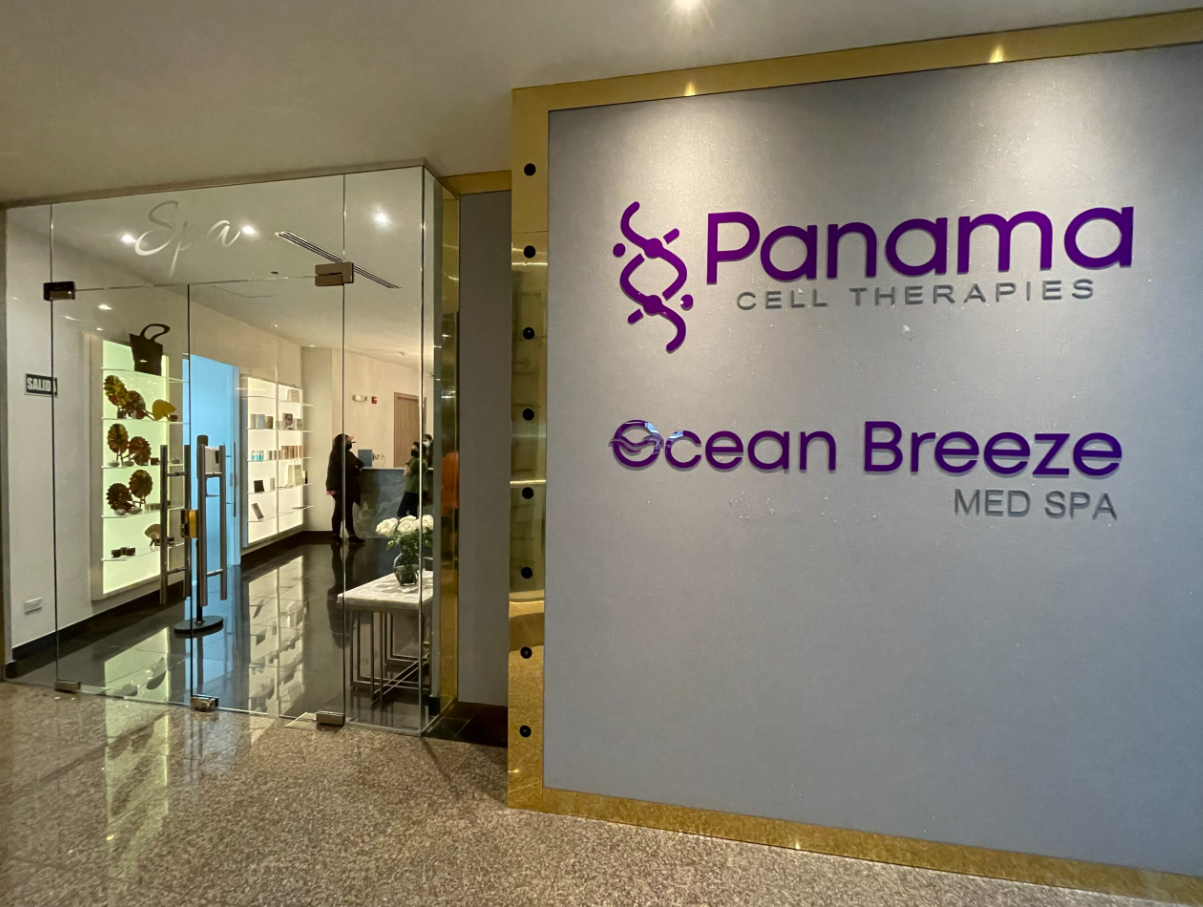
Based on patient outcomes, clinical reputation, accreditation, and treatment scope, the following clinics represent some of the best stem cell therapy clinics in the world:
- 1. Stem Cell Institute - Panama City, Panama. Specializes in umbilical cord MSC therapy for neurological conditions, MS, autism, and heart failure.
- 2. Charité - Universitätsmedizin Berlin, Germany. Europe’s largest university hospital with world-leading neurological stem cell research.
- 3. GIOSTAR Mexico - Guadalajara, Mexico. Pioneer in stem cell treatment for autoimmune and neurological conditions in Latin America.
- 4. Bumrungrad International Hospital - Bangkok, Thailand. One of Asia’s most recognized medical tourism hospitals with a comprehensive regenerative medicine department.
- 5. Acibadem Healthcare Group - Istanbul, Turkey. Multi-specialty hospital network with strong orthopedic and autoimmune stem cell programs.
- 6. Samsung Medical Center - Seoul, South Korea. Government-approved stem cell therapies with a focus on oncology and hematology.
- 7. Chaum Life Center - Seoul, South Korea. Leading anti-aging and regenerative medicine center affiliated with CHA University.
- 8. Universitätsklinikum Heidelberg - Heidelberg, Germany. Top-tier facility for hematological stem cell transplants and oncological research.
- 9. Medanta - The Medicity - Gurgaon, India. India’s leading multi-specialty hospital with an established regenerative medicine unit.
- 10. Emirates Hospital - Dubai, UAE. Premium regenerative medicine and cosmetic stem cell therapy in a luxury setting.
A-Medical partners with many of these facilities and can arrange consultations, treatment plans, and travel logistics for any of them.
Recovery, Aftercare, and Long-Term Follow-Up
Recovery timelines vary by condition and treatment type. Patients with orthopedic conditions typically resume normal activity within one to three weeks. Neurological patients may require extended rest periods and ongoing rehabilitation.
Most leading clinics now offer remote follow-up options, including video consultations and digital progress tracking, for 3 to 12 months after treatment. This allows the medical team to monitor results and adjust treatment plans as needed.
A-Medical coordinates aftercare logistics, including scheduling remote follow-up sessions, translating discharge reports, and connecting patients with local physicians for post-treatment monitoring. This hybrid care model ensures continuity regardless of where you received treatment.
How A-Medical Makes Your Stem Cell Journey Easier
A-Medical is a medical tourism platform that connects patients with verified stem cell clinics across the world. We do not operate clinics ourselves. Instead, we act as your dedicated guide, coordinating every aspect of your treatment journey from initial research to post-procedure recovery.
Every A-Medical package includes personalized clinic matching based on your condition, budget, and travel preferences; transparent pricing with detailed cost breakdowns; appointment scheduling and medical record coordination; airport transfers, hotel accommodation, and clinic transport; professional interpreter services; and post-treatment follow-up management.
A-Medical works exclusively with accredited facilities. We verify clinic credentials, physician qualifications, cell processing standards, and patient outcomes before adding any provider to our network.
➤ Contact A-Medical today for a free, personalized consultation and cost estimate. Visit amedical.az or reach out directly to our international care coordination team.
Related Guides on A-Medical
- Best and Cheapest Countries for Plastic Surgery (2026) - If you are combining your stem cell treatment trip with cosmetic procedures, this guide covers the top destinations for affordable, high-quality plastic surgery abroad.
- Best Countries and Clinics for Bone Marrow Transplant (2026) - Bone marrow transplantation shares significant overlap with hematopoietic stem cell therapy. This guide details the leading destinations and expected costs.
- Best Countries for Knee Replacement Surgery Abroad - For patients considering surgical alternatives alongside or instead of stem cell therapy for severe knee degeneration, this resource covers the best options worldwide.
Frequently Asked Questions About Stem Cell Therapy Abroad
What is the cheapest country for stem cell therapy?
India offers the lowest starting prices globally, with treatments beginning around $2,000. Thailand and Mexico are also highly affordable, with comparable quality at slightly higher price points.
How much does stem cell therapy cost on average?
Globally, costs range from $1,200 to $40,000+ depending on the country, condition, and protocol. Orthopedic treatments are the most affordable, while neurological protocols are the most expensive.
Is stem cell therapy legal in Turkey, Mexico, or India?
Yes. All three countries have legal frameworks that permit stem cell therapy at authorized facilities. Turkey and Mexico have clearer regulatory standards; India’s enforcement is less uniform.
What is the cost of stem cell therapy for knees?
Knee-specific stem cell treatment ranges from $1,200 in Thailand to $25,000 in Germany. Mexico and Turkey offer the best balance of price and quality, typically between $2,000 and $8,000.
How much does shoulder stem cell injection cost abroad?
The cost for shoulder-specific treatment ranges from $3,000 to $10,000 depending on the destination. Mexico and Turkey are the most affordable options for rotator cuff and shoulder arthritis protocols.
Is it safe for foreigners to receive stem cell treatment abroad?
Yes, provided you choose accredited clinics with verified credentials, licensed medical teams, and transparent documentation. A-Medical only partners with facilities that meet international safety standards.
How long does a typical stem cell treatment program last?
Most programs last 3 to 10 days on-site. Follow-up monitoring continues remotely for 3 to 12 months. Some complex neurological protocols may require a second visit after 6 months.
Can I travel immediately after stem cell treatment?
For orthopedic and cosmetic procedures, most patients can fly within 48 to 72 hours. Neurological patients may need 5 to 7 days of rest before returning home.
Are stem cell therapy results permanent?
No treatment guarantees permanent results. Effectiveness depends on your condition, the protocol used, cell quality, and individual response. Many patients benefit from repeated sessions over time.
What is the best country for stem cell therapy overall?
Germany and South Korea lead in safety and innovation. Mexico and Turkey offer the best value for money. Panama specializes in neurological conditions. The ideal destination depends on your specific needs.
Does insurance cover stem cell therapy abroad?
In most cases, no. Stem cell therapy is typically not covered by insurance when performed abroad. However, some clinics provide documentation that can be submitted for partial reimbursement claims.
What is the Stem Cell Institute Panama cost?
Treatment at the Stem Cell Institute in Panama typically costs between $7,000 and $30,000, depending on the condition and the number of sessions included in the protocol.
Which clinics are considered the best in the world for stem cell therapy?
Globally recognized clinics include the Stem Cell Institute (Panama), Charité Berlin (Germany), Bumrungrad International Hospital (Thailand), Acibadem (Turkey), Samsung Medical Center (South Korea), and GIOSTAR Mexico.
What is the stem cell operation cost for a standard procedure?
A standard orthopedic stem cell procedure costs between $2,000 and $15,000 abroad. In the US, the same procedure typically costs $10,000 to $25,000 or more.
Can I combine stem cell treatment with other medical procedures abroad?
Yes. Many patients combine stem cell therapy with cosmetic surgery, dental work, or comprehensive health check-ups during the same trip. A-Medical can coordinate multi-procedure treatment plans across partner clinics.