Treatment Abroad – Find Verified Clinics, Reviews & Prices

Treatment Abroad made simple by A-Medical. Explore top clinics worldwide and start your journey toward better health today
We make healthcare abroad

simple, transparent, and fully guided from start to finish

Submit Your Request

Tell us about your treatment needs. We carefully review your case and match you with the most suitable hospitals and doctors.

Get Official Price Quotes

We provide verified treatment offers and proformas directly from hospitals — no middlemen, full transparency.

Connect with Doctors

We arrange direct calls or video consultations with hospitals and doctors so you can discuss your treatment plan confidently.

Confirm & Start Treatment

Once you accept the treatment plan, we schedule your hospital appointment and support you throughout your medical journey.

Why Choose Us

With us, you are in safe hands. We focus on quality, transparency, and patient-first care. Here’s what sets us apart

1

Only Accredited Hospitals

We partner exclusively with internationally accredited and top-ranked hospitals.

2

Direct & Transparent Payments

You pay directly at the hospital, with no hidden fees.

3

Free Direct Call & Video Consultation

Speak with our experts and doctors before making any decisions.

4

Best Doctor & Hospital Match

We carefully select the most suitable specialist and clinic for your treatment needs.

5

Worldwide Hospital Network

Access to a vast global network across 90+ countries.

6

More Affordable Pricing

We negotiate better prices from hospitals than you would get by contacting them directly.

Medical Conditions

Explore our comprehensive coverage of medical conditions and find the right treatment options

Waldenström Macroglobulinemia medical condition

Waldenström Macroglobulinemia

A rare form of blood cancer

Learn more about Waldenström Macroglobulinemia
Enlarged liver medical condition

Enlarged liver

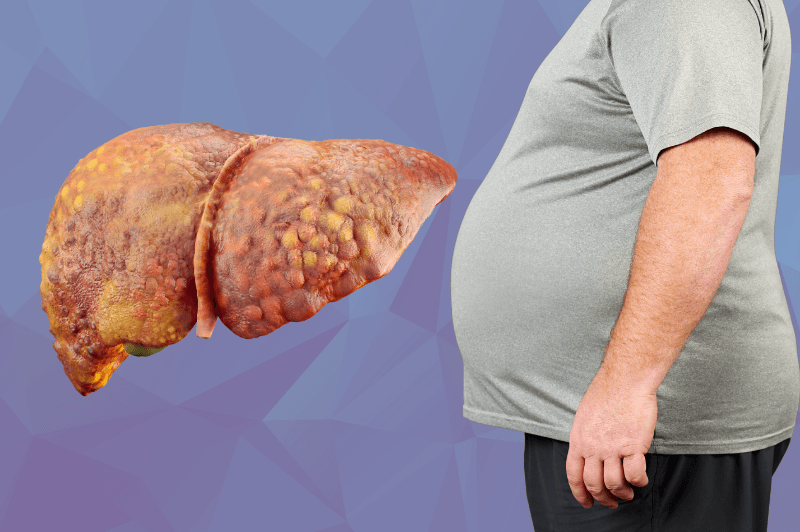
An enlarged liver, medically known as hepatomegaly, is usually a sign of an underlying health condition rather than a disease itself. Hepatomegaly can be caused by a variety of conditions, including liver diseases, congestive heart failure, infections, metabolic disorders, or cancer. Because the liver plays a central role in metabolism, circulation, and detoxification, many systemic illnesses can affect its size. Management of an enlarged liver focuses on identifying and treating the underlying cause. Once the primary condition is properly managed, liver size may return to normal or stabilize, depending on the diagnosis. Early evaluation is important, as timely treatment of the root cause can prevent further liver damage and related complications.

Learn more about Enlarged liver
Chronic Myelogenous Leukemia (CML) medical condition

Chronic Myelogenous Leukemia (CML)

The bone marrow plays a critical role in the body’s ability to defend itself by producing blood cells. In healthy individuals, the bone marrow generates stem cells, which mature into: White blood cells (fight infection) Red blood cells (carry oxygen) Platelets (help blood clot) Leukemia develops when abnormalities occur in these stem cells, leading to uncontrolled production of abnormal white blood cells that circulate in the bloodstream and interfere with normal blood cell formation. What Is Chronic Myeloid Leukemia? Chronic myeloid leukemia (CML)—also called chronic granulocytic leukemia or chronic myelogenous leukemia—is a rare cancer of the bone marrow that primarily affects myeloid white blood cells. CML can occur at almost any age, but it is most commonly diagnosed in middle-aged and older adults. In CML, the bone marrow produces excessive numbers of immature myeloid cells, known as blasts, which crowd out healthy blood cells and disrupt normal blood function. Myeloid cells include: Granulocytes Monocytes Macrophages Dendritic cells When produced in abnormal quantities, these cells can lead to the development of CML. Phases of Chronic Myeloid Leukemia The term “chronic” refers to the disease’s typically slow progression. However, CML can advance into a more aggressive leukemia if not adequately controlled. CML is divided into three phases: 1. Chronic Phase Most patients are diagnosed during this phase Often discovered during routine blood tests Few or no symptoms Usually well controlled with medication 2. Accelerated Phase Increased number of immature blood cells Worsening symptoms Enlarged spleen Low red blood cell count Abnormal white blood cell levels May occur due to drug resistance 3. Blast Phase (Blast Crisis) Large numbers of immature blast cells Symptoms resemble acute leukemia High risk of infection, bleeding, and shortness of breath Can transform into acute myeloid leukemia (AML) Requires immediate medical treatment Relapsed CML Some patients may experience relapse, even after achieving remission. This can occur when leukemia cells develop resistance, often due to mutations in the BCR-ABL1 gene. Treatment for relapsed CML focuses on returning the disease to the chronic phase, most commonly using targeted therapy with tyrosine kinase inhibitors (TKIs). Causes of CML CML is caused by a genetic mutation in bone marrow stem cells. The hallmark of the disease is the Philadelphia chromosome. The Philadelphia Chromosome Results from a reciprocal translocation between chromosome 9 and chromosome 22 Produces an abnormal gene called BCR-ABL BCR-ABL creates a protein called tyrosine kinase This protein causes uncontrolled growth of abnormal white blood cells The Philadelphia chromosome develops after birth and is not inherited. Risk Factors for CML Risk factors increase the likelihood of developing cancer but do not guarantee it. Known risk factors include: Age: Average age at diagnosis is around 64 Radiation exposure: Seen in survivors of atomic bomb exposure and certain radiation-treated conditions Gender: More common in men Philadelphia chromosome: Present in nearly all CML cases CML is extremely rare in children and adolescents. Symptoms of CML CML can take years to develop and is often asymptomatic in early stages. When symptoms occur, they may include: Fatigue and weakness Shortness of breath during routine activity Pale or dull skin Fullness or discomfort in the left upper abdomen (enlarged spleen) Night sweats Fever Unintentional weight loss Bone pain Loss of appetite Easy bleeding or bruising Potential Complications Complications of CML may include: Anemia due to low red blood cell production Enlarged spleen Increased risk of secondary cancers, including thyroid, lung, stomach, prostate, and small bowel cancers Diagnosing Chronic Myeloid Leukemia Many patients are diagnosed incidentally after abnormal blood test results. Diagnosis involves specialized blood and bone marrow testing, analyzed by hematopathology experts. Diagnostic tests include: Complete blood count (CBC) with differential Peripheral blood smear Bone marrow aspiration and biopsy Cytogenetic analysis to detect the Philadelphia chromosome Fluorescence in situ hybridization (FISH) Quantitative polymerase chain reaction (qPCR) to measure BCR-ABL1 gene levels qPCR is the most sensitive test and is also used to monitor treatment response. Treatment Options for CML Treatment depends on disease phase, genetic findings, and overall health. Common treatment options include: Targeted therapy (Tyrosine Kinase Inhibitors) Blocks the BCR-ABL protein driving leukemia growth Chemotherapy Slows or stops leukemia cell division Radiation therapy Used in specific situations, such as spleen enlargement Bone marrow (stem cell) transplant Considered when drug therapy is unsuccessful CAR-T cell therapy Primarily used for other leukemias (e.g., ALL), but part of advanced immunotherapy programs Comprehensive Care and Quality of Life At Sheba, treatment extends beyond medication. Patients receive multidisciplinary support from: Hematologists and oncologists Nurses and transplant specialists Social workers and psychologists Nutritionists and supportive care teams The goal is not only to treat the disease but to preserve quality of life, emotional well-being, and long-term health. Living with Chronic Myeloid Leukemia CML is often a long-term condition. Even with a good prognosis, living with a chronic cancer can be emotionally challenging. Some patients require lifelong monitoring and treatment, which can complicate future planning. You do not have to face CML alone. With expert care, modern targeted therapies, and strong support systems, many people with CML lead long, productive, and fulfilling lives.

Learn more about Chronic Myelogenous Leukemia (CML)
Get a free consultation

Talk to our experts and discover the best solution for your needs completely free of charge.

Loading...
Medical professional consultation
A-Medical Logo

Partner with A-Medical

Join our trusted network of clinics and hospitals. We connect international patients with reliable healthcare providers to ensure safe, high-quality treatments abroad.

WhatsApp
Need a consultation?
Talk to us now – Fast & Free!